
A weekly roundup of public health news

Unplugged oil, gas wells pose health risks across U.S.
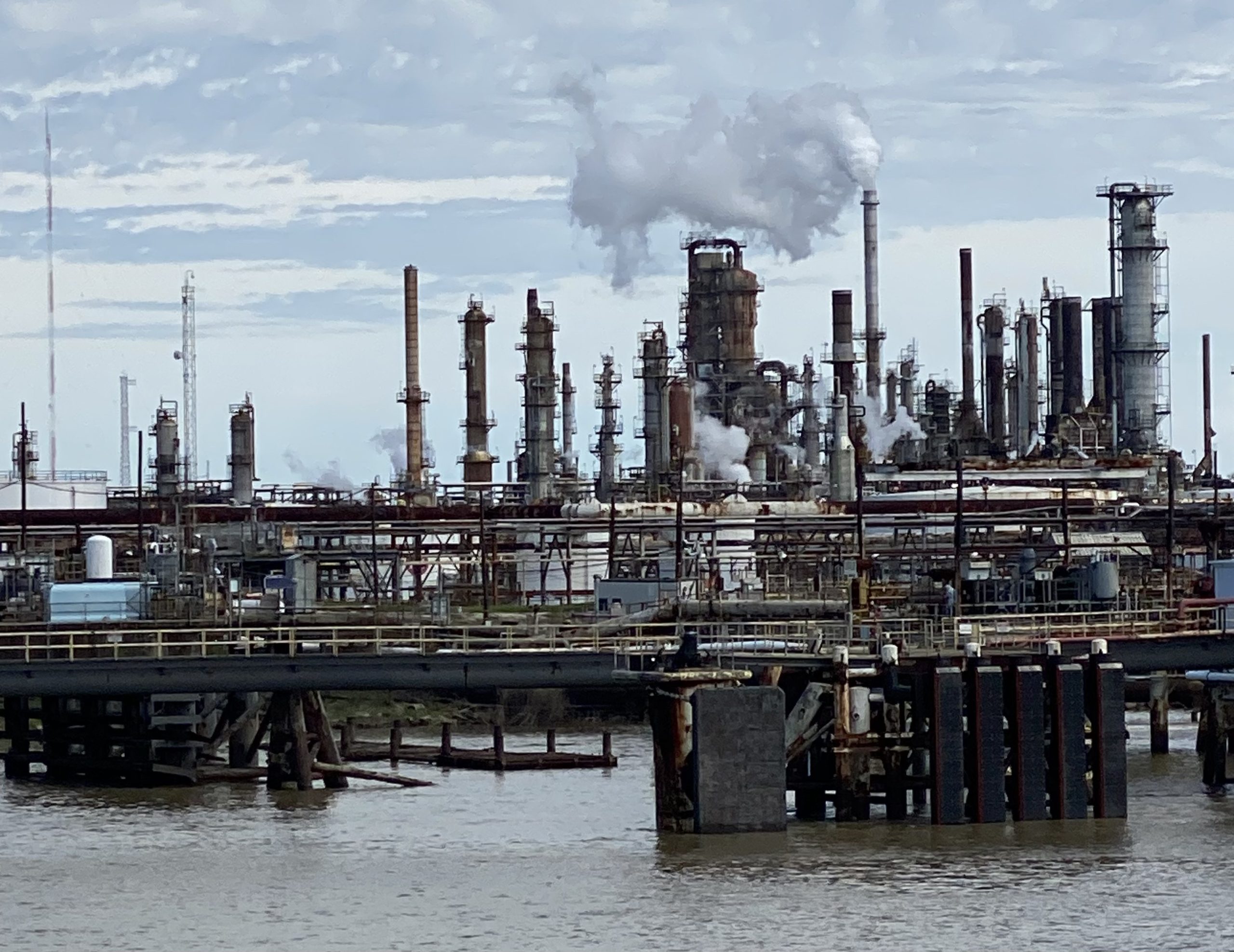
Orphan oil and gas wells pose a public health risk to communities and should be a higher priority for governments and regulators, a new report recommends.
As many as 118,000 orphan oil and gas wells are scattered in 38 states across the U.S., according to the June 11 report from the National Academies of Sciences, Engineering and Medicine. Wells are considered orphaned if they do not have an identified owner and are not sealed. Pennsylvania has the highest estimated number of orphan wells, at about 28,000, followed by 14,000 in Kentucky, 6,500 in Texas and 6,300 in West Virginia.
Millions of people live within a mile of an orphan well, which can pose risks to their health. Methane, benzene and other emissions released by uncapped wells can pollute the air, while leaking fluids can contaminate water sources and soil. A 2011 study linked 18% of groundwater contamination in Texas and Ohio to orphan wells. Wells that are left unmaintained and unplugged can also explode.
Wells that are orphaned are only part of the problem. The nation may also have as many as 740,000 undocumented wells drilled during the early years of the oil and gas industry. Many of their locations are unknown. Another category is abandoned wells, which were plugged and decommissioned according to regulations at the time. Thousands of plugged wells are estimated to have been sealed using outdated standards and technology, raising concerns about problems today.
While progress has been made at closing off orphan wells on state, federal and tribal lands — with tens of thousands of them plugged through federally funded programs — most orphan wells are located on private lands. Work to close off unused oil and gas wells can be hampered by a lack of records on construction, operations and ownership, the report said.
The report committee, which included industry representatives, regulators and environmental experts, recommended collecting standardized data on oil and gas wells, considering additional federal funding for plugging, and continuing to monitor wells after they have been plugged.
Common chemicals linked to pregnancy risks
Everyday chemical exposures can be harmful during pregnancy, a new study in JAMA Network Open finds.
Published June 17, the study linked several types of chemicals found in consumer products, food, water and other common sources with increased risks of babies being born earlier or at lower birth weight.
Researchers looked at pesticides, fungicides, bisphenols, parabens, antimicrobials, flame retardants, phthalates and other plasticizers, along with chemicals known as polycyclic aromatic hydrocarbons, or PAHs, in urine samples collected from thousands of U.S. pregnant women.
Chemical exposure was widespread. The strongest links involved phthalates, which are used to make plastics more flexible and are found in products such as food packaging, vinyl flooring and personal care items. Several types of phthalates and plasticizers were associated with lower birth weight and greater odds of preterm birth. One particular group of phthalates was associated with a 16% higher risk of preterm birth.
PAHs were also linked to lower birth weight. The substances are produced when coal, oil, gas, wood or tobacco are burned and are also found in vehicle exhaust, wildfire smoke and some cooked meats.
Other chemicals linked to lower birth weight included compounds used in plastics and food packaging as well as some fungicides and flame retardants.
Pregnant women are commonly exposed to chemicals through food, drinking water, air pollution, household dust, cosmetics, cleaning products and plastic items. Many of the substances can cross the placenta, exposing a developing fetus directly, the researchers said.
Heat waves worsening wildfire impacts
Heat waves are helping wildfires burn more land across the western U.S., according to new research in Science Advances.
Satellite images, wildfire records and weather data from across the western U.S. showed that forest land burned by wildfires increased 2.5-fold from 2001 to 2024. Nearly two-thirds of that increase, or 64%, occurred during heat waves or in the days that followed.
Extreme heat dries out vegetation, increases the likelihood of lightning strikes and creates conditions that allow fires to burn longer and spread farther. Heat waves and wildfires can reinforce one another, creating overlapping threats for communities already coping with dangerous temperatures, researchers said. More large fires also mean more smoke, adding respiratory risks to the health dangers posed by extreme heat.
Total forest area burned would have been about 37% lower during the study period if heat waves had not become more common, the study estimated.
Not all heat waves carried the same risk. Dry heat waves, marked by very low humidity, increased wildfire activity much more than wetter ones. Dry heat waves have been increasing, while humidity during heat waves has declined, particularly in California, Oregon and Washington, where wildfire activity has risen sharply, researchers said.
Other recent public health news of note includes:
• Plants grown for food can absorb “forever chemicals” from the atmosphere, not just soil and water, a new study in the Journal of Hazardous Materials says. Scientists analyzed soils, potato leaves and potato tubers from agricultural fields in southern Israel. They found that potato leaves often contained much higher concentrations of some per- and polyfluoroalkyl substances than nearby soils. Certain types of PFAS that travel easily through the air were especially concentrated in leaves, suggesting the chemicals may have settled directly from the atmosphere rather than being absorbed only through roots. PFAS levels in potato tubers were much lower. The study did not identify specific pollution sources but noted that nearby military conflicts could be one possible contributor to airborne contamination.
• Inaccurate provider lists may make it harder for Medicaid users to access critical maternal health care, according to two June 11 reports from the U.S. Department of Health and Human Services’ Office of Inspector General. The reports examined Medicaid managed care plans operated in five states by three leading companies — Centene, Elevance and UnitedHealthcare. Online directories used by patients contained providers who were not actually part of a network, omitted some in-network clinicians and often listed incorrect addresses or phone numbers. Nearly a quarter of providers listed in files submitted to states were not in network, while 46% did not appear in online directories used by enrollees, the office found.
• Americans are struggling to afford healthcare, with fewer than half now able to consistently pay for medical care and prescription drugs when they need them, according to new findings from the West Health-Gallup Center on Healthcare in America. The share of adults considered “cost secure” fell to 49% in 2025, the lowest level in five years. An estimated 2.8 million more Americans had difficulties affording healthcare compared with the previous year. The decline was especially steep among Black and Hispanic adults, young adults and lower-income households, according to the results, which were released June 18.
The Watch is written by Michele Late, who has more than two decades of experience as a public health journalist.ecades of experience as a public health journalist.