
A weekly roundup of public health news
Coal-fired power plants often located in disadvantaged communities
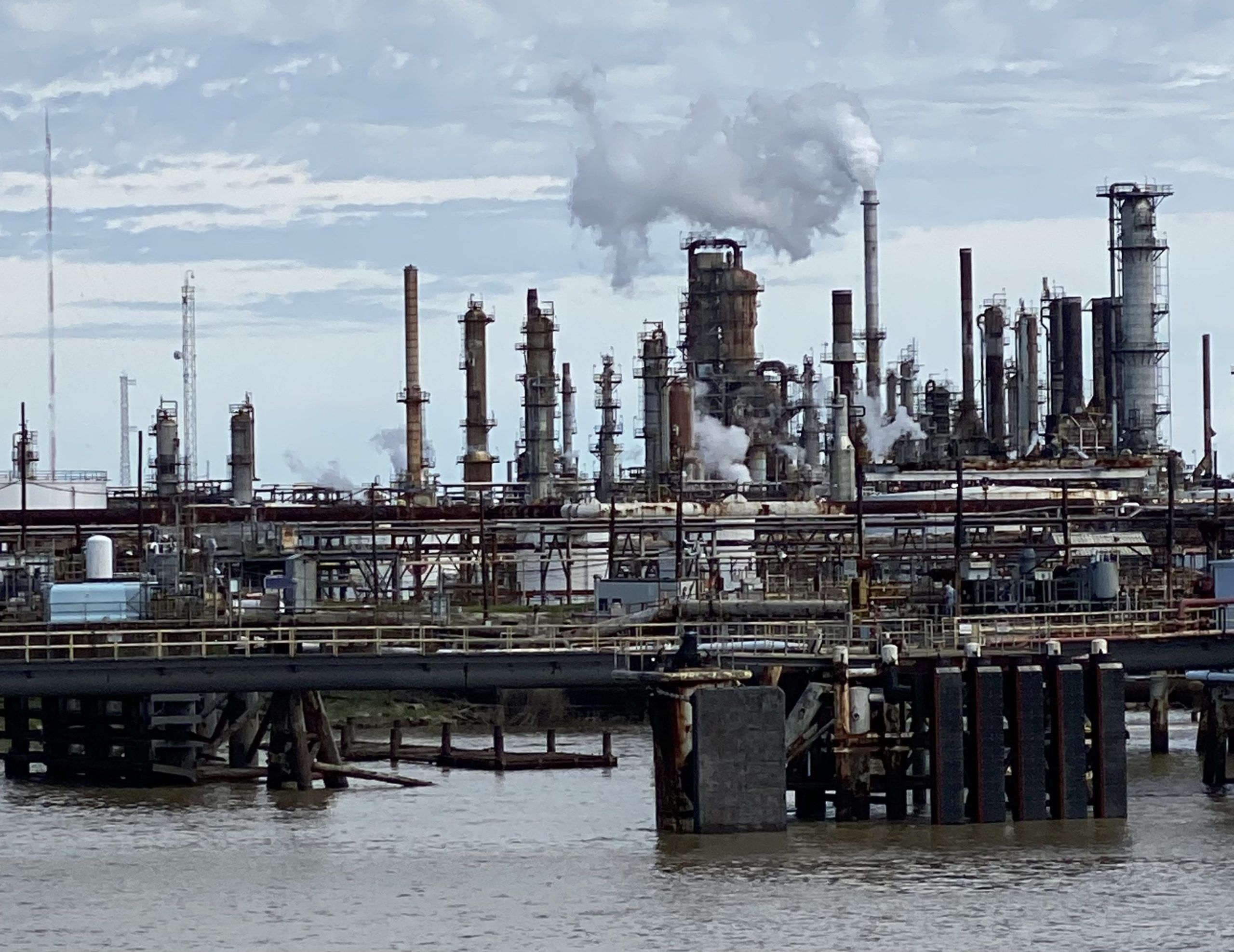
People living near U.S. coal-fired power plants are more likely to be in disadvantaged communities, potentially adding to the health risks they already face, a new study finds.
Nearly a third of the nearly 2.8 million people who lived within three miles of coal-fired power plants in 2023 were in communities considered to be disadvantaged, according to the November 5 research in JAMA Network Open.
Previous research has found living near coal-fired power plants can increase exposure to harmful air pollutants, including mercury, nitrogen dioxide, sulfur dioxide and fine-particle matter, also known as PM2.5. Exposure to pollution from the plants has been linked to respiratory diseases, increased risk of death and pregnancy-related problems.
Residents of disadvantaged communities already experience higher rates of chronic illness and other health problems, raising concerns about additional health harms from power plants.
Researchers gauged neighborhood disadvantage based on the Area Deprivation Index, which looks at income, education, employment and housing quality. They found coal-fired power plants were rarely located near neighborhoods with low levels of disadvantage, which are typically wealthy and well-resourced.
About 12% of people living within three miles of a coal-fired power plant lived in the nation’s most severely disadvantaged neighborhoods, compared with less than 1% in the most well-off neighborhoods.
Compared with the overall U.S. population, people living within three miles of the plants were more likely to be American Indian and Alaska Native or white.
The findings come amid changes to federal environmental protections that could increase exposure to pollution from coal-fired power plants. Earlier this year, the Trump administration rejected findings that served as the scientific basis for federal limits on greenhouse gas emissions and weakened restrictions on pollutants released by coal-fired power plants.
The changes could increase exposure to particle pollution in communities already facing significant health and economic disadvantages, the study said.
EPA abandons work to estimate farm air pollution, drops cancer risk estimates
The Trump administration has scrapped long-in-the-works plans to assess air pollution from the nation’s thousands of animal feeding operations.
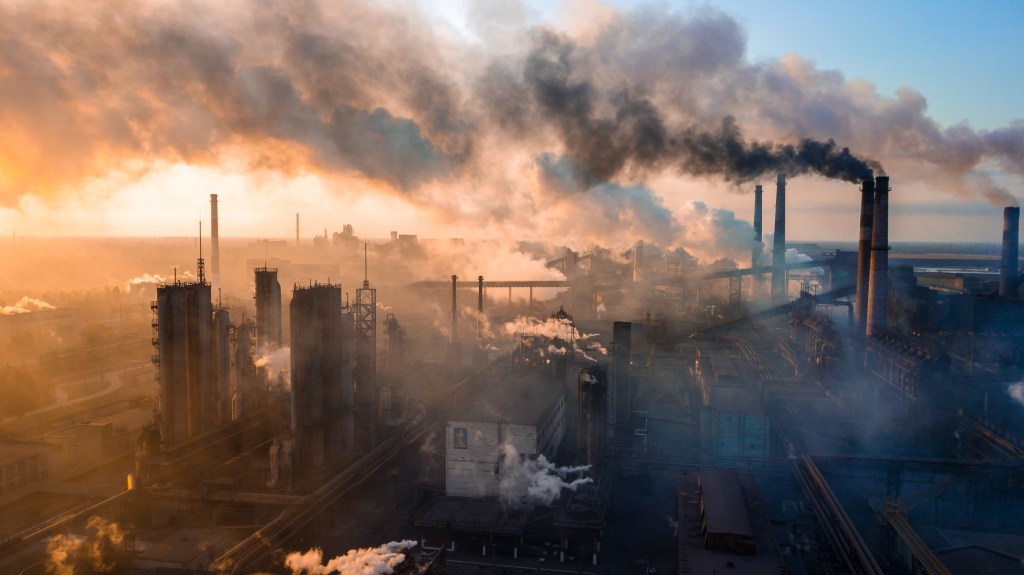
An October 30 announcement from the U.S. Environmental Protection Agency ended a 20-year effort to develop methods for estimating harmful emissions from large livestock and poultry farms, which can pose health risks to nearby communities.
Animal feeding operations release a range of pollutants, including ammonia, hydrogen sulfide and fine-particle matter, also known as PM2.5. A 2025 University of Michigan study detected elevated levels of PM2.5 near cattle and hog feeding operations. Exposure to pollution from feeding facilities has been linked to asthma and other respiratory problems, particularly among children.
The operations also release methane and nitrous oxide, greenhouse gases that contribute to climate change.
EPA’s decision ends an initiative launched in 2005 after the National Academy of Sciences called for better ways to measure pollution from animal feeding operations. About 2,600 operations, representing about 14,000 livestock and poultry farms, voluntarily agreed to be part of the effort.
The initiative included a national study that collected emissions data from 2005 to 2007. That data is now too outdated to produce reliable estimates, EPA said in last week’s announcement, citing that as a reason to cancel the work.
The new decision is the latest Trump administration action to curtail information about air pollution and its potential health risks to Americans.
In April 2026, EPA released its most recent update on the Air Toxics Screening Assessment, known as AirToxScreen. While the update included information on emissions and concentrations of pollutants, it omitted estimates that help people understand their potential cancer risks.
On October 27, the Environmental Protection Network and Union of Concerned Scientists called on EPA to explain the omission and restore the cancer information, which had been available for more than 20 years.
AirToxScreen was designed to help communities, researchers and public health agencies learn about toxic air pollution that may pose elevated dangers. Without the cancer estimates, members of the public will have to analyze complex pollution data on their own to understand their risks, the groups said.
States facing greatest climate health threats often have weakest protections
People who live in the Southern U.S. will face some of the worst health harms of climate change in coming years. But states in the region are lagging on policies that can help protect their residents, new findings show.
The gap is especially pronounced in the Southeast, where states have experienced high levels of heat-related deaths, severe storms and other climate hazards but have relatively weak policies to help residents prepare and recover from them, according to research published in the November issue of Health Affairs.
Louisiana, North Carolina, South Carolina and Texas are among the states with high climate-related health burdens and weaker protections. In contrast, states along the West Coast and in the Northeast generally have stronger policies, the study said.
Climate change is making heat waves, wildfires, floods and severe storms more frequent or intense, threatening health and lives. People who lack affordable housing, reliable healthcare or money to pay energy bills may have greater difficulty protecting themselves, researchers said.
The study looked at state policies on issues such as wages, nutrition, health, housing, energy and transportation. States received higher ratings for policies that provided substantial benefits, reached more residents and were enforceable.
California, Oregon and Washington were among the leaders, with all three boasting workplace protections that address extreme heat and wildfire smoke, two growing threats associated with climate change. California and Oregon also use Medicaid programs to provide cooling equipment and housing-related assistance to at-risk people with chronic illnesses.
Southern states have made less progress. North Carolina, for example, has introduced Medicaid initiatives addressing some health-related social needs, but other forms of assistance remain largely disconnected from its climate preparedness planning, the researchers said.
The Southeast is particularly vulnerable because its high burden of heat-related deaths coincides with weaker wage, housing and energy assistance policies.
Other recent public health news of note:
• Rural Americans who have heart attacks are nearly three times as likely to die before reaching a hospital as people in large cities, new research shows. The findings, presented at the American Heart Association’s Scientific Sessions 2026, found rural residents were also 89% more likely to die at home and 58% more likely to die in emergency or outpatient care settings than residents of large metropolitan areas.
• A chemical commonly found in fertilizers could be contributing to serious heart defects in newborns, new research in Frontiers in Public Health suggests. The study linked higher levels of nitrate in Utah drinking water to an increased risk of congenital heart defects. Rates of the defects jumped 88% between 2016 and 2023 in the state. During the same period, nitrate levels in drinking water rose 65%, researchers said. Nitrate is commonly used in agricultural fertilizers but can also enter drinking water through sewage, septic systems and decaying organic matter.
• Losses of homes, buildings and other structures from wildfires could triple by 2060, a new study in Nature Communications warns. As many as 449,000 U.S. structures could be damaged or destroyed by wildfires over three-plus decades if current development patterns continue without new protections, the study projected. The Western U.S. would remain the hardest-hit region, with California facing particularly high losses. However, wildfire risks are also growing in the Central and Eastern U.S., the study said. Climate change, expanding development in fire-prone areas and longer fire seasons are driving the growing threat.
The Watch is written by Michele Late, who has more than two decades of experience as a public health journalist.des of experience as a public health journalist.