
A weekly roundup of public health news
Oil and gas air pollution killing Americans
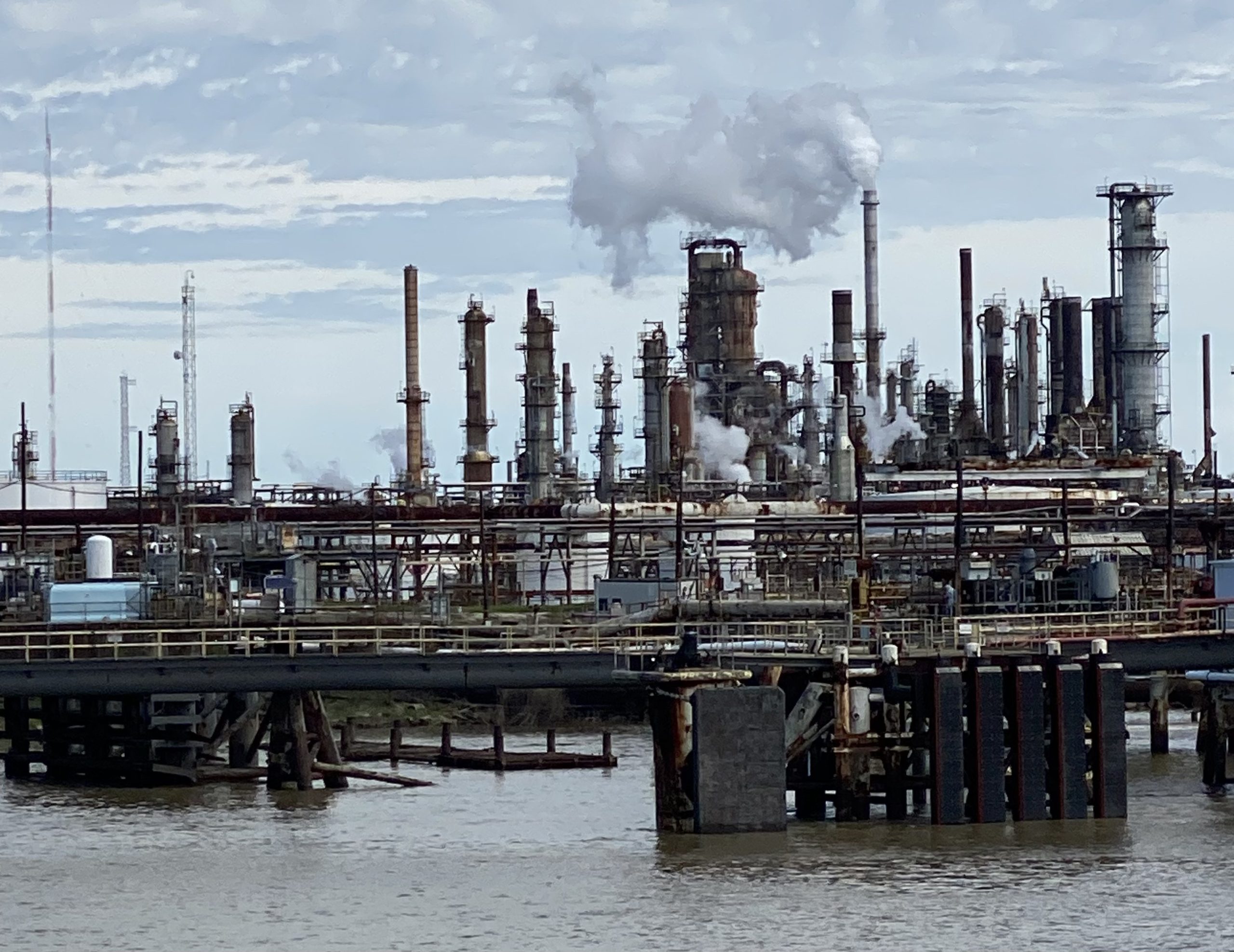
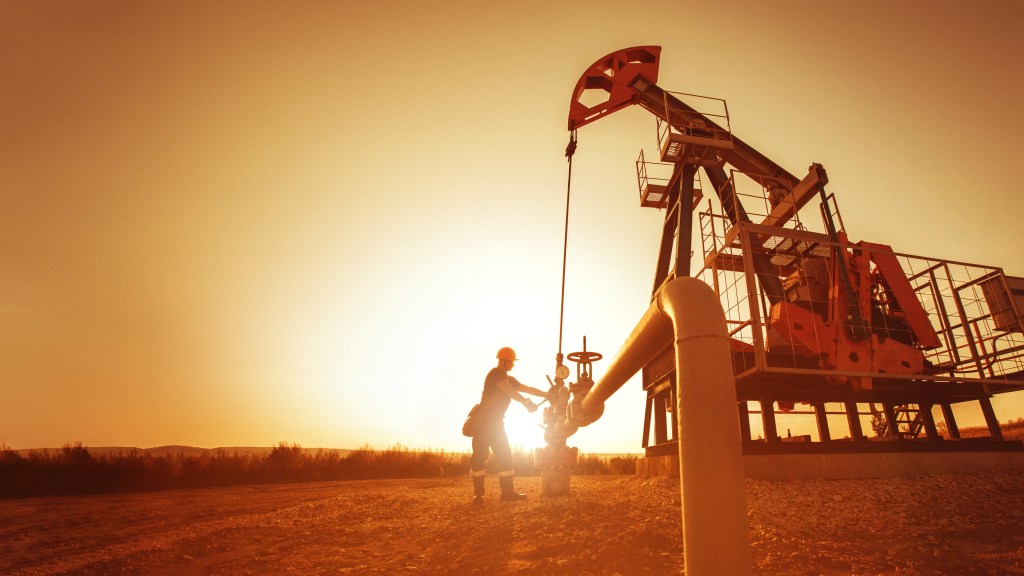
Oil and gas-related air pollution is prematurely ending the lives of 91,000 Americans a year and endangering the health of many more, a new study finds.
Published Aug. 22 in Science Advances, the research links oil and gas air pollution to a range of health issues in the U.S., such as 10,400 annual preterm births, 216,000 new cases of childhood asthma a year and 1,600 lifetime cancers.
Researchers used data from 2017 to tally the impacts of the U.S. oil and gas industry across all phases of production and use, including extraction, storage, refining, delivery and, ultimately, burning by vehicles, power plants and other means. They found contaminants such as fine-particle pollution, nitrogen dioxide, benzene and formaldehyde were released into the air throughout the process.
The effects of oil and gas air pollution were felt across the U.S., but weren’t experienced equally, the research found. Asian, Black, Hispanic and American Indian and Alaska Native people — who are more likely to live near industrial areas, highways and production facilities — were more likely to be exposed to the pollution and to experience more health harms from it. Black people were most likely to give birth preterm because of oil and gas air pollution.
By state, people living in California, New York, New Jersey, Pennsylvania and Texas were more likely to be impacted by the pollution, though the harm extended beyond U.S. borders. Researchers also linked about 1,200 early deaths in southern Canada and 440 in northern Mexico to U.S. oil and gas air pollution.
While the findings are dire, they may be underestimated, as U.S. oil and gas production has increased by at least 40% since 2017, researchers noted.
U.S. drug supply at risk from climate-related disasters
Most of America’s drug production facilities operate in areas that have been hit by severe weather disasters, posing a risk to the nation’s medication supply chain.
New research released Aug. 20 in the Journal of the American Medical Association found nearly two-thirds of all U.S. drug facilities are located in counties that experienced at least one presidential disaster declaration from 2019-2024. Disasters included wildfires, hurricanes, severe storms, tornadoes and floods.
An average of about 6,800 drug production facilities were active across the study period, including those involved in analysis, manufacturing and packaging. Facilities were heavily concentrated in the Southern, Mid-Atlantic and Midwestern regions of the U.S.
Because a limited number of facilities manufacture key drug products in the U.S., supply chain disruptions caused by weather-related disasters could be significant, researchers said.
The nation has already experienced disaster-related shortages of medical products, they noted. The U.S. was hit with a shortage of intravenous fluids in September 2024 following Hurricane Helene, which damaged a North Carolina facility that makes 60% of nation’s supply of the product. The shortage led to hospitals rationing fluids for patients.
Growing heat harmful for health, productivity of workers
Rising temperatures from climate change are a growing threat to workers, and particularly to those who perform manual labor, a new global report finds.
Released Aug. 22 by the World Health Organization and World Meteorological Organization, the report said climate change-driven heat waves are harming both the health and productivity of workers. People who work in physical, outdoor occupations such as agriculture, construction and fishing are especially impacted.
While high heat poses myriad health risks — including heat stroke, dehydration, kidney dysfunction and neurological disorders — it also hurts worker productivity. For every degree of temperature above 68 degrees Fahrenheit, worker output drops as much as 3%, the report said.
Guidance released with the report calls for employers, workers, unions and public health experts to work together to create occupational heat safety policies, with particular emphasis on workers who are more susceptible to the effects of heat stress.
Such policies could be important to workers across the U.S., including those in California. Although the state implemented a new policy last year that requires employers to take action to prevent illness when indoor temperatures reach 82 degrees or higher, a new report, released Aug. 19, said fast food workers continue to be subject to high heat on the job. Released by Worksafe and the California Fast Food Workers Union, the report found few fast-food outlets are complying with the new standard.
More than 2.4 billion workers are regularly exposed to excessive heat around the world, leading to nearly 23 million occupational injuries a year, according to the International Labor Organization. Last year was the hottest ever recorded on the planet, the National Oceanic and Atmospheric Administration confirmed early this year.
Other recent public health news of note:
• Construction workers are at higher risk of dying from chronic obstructive pulmonary disease than workers in other occupations, a new study from researchers at the National Institute for Occupational Safety and Health shows. Published in Occupational & Environmental Medicine, the study found people working in a range of construction jobs — including roofers, drywall installers, ceiling tile installers, painters, paperhangers, pipelayers and plasterers — had twice the odds of dying from COPD as compared to office and administrative support workers.
• Thousands of children with Medicaid who are suffering from mental health crises such as suicidal behaviors and depression are left waiting for days in hospital emergency rooms because of a lack of capacity, new research in JAMA Health Forum says.
• A new study that examines prices and affordability of pharmaceuticals in more than 70 countries finds 82% of essential medicines consumed in the U.S. are brand-name drugs, higher than all other nations studied. The U.S. also spends more on the medicines than the other nations — to the tune of $293 billion annually — and has the highest per capita spending, according to the JAMA Health Forum study.
• Black Americans spend a higher proportion of their income on energy than other U.S. residents, new findings in Energy Research & Social Science show. While the average American household spends 3.2% of its income on energy, people who live in areas with a higher ratio of Black residents pay about 5% of their income for energy.
• As climate change increases the frequency and intensity of wildfires, more people around the world are being exposed to them, says a new study in Science. Released Aug. 21, the study found the number of people directly exposed to wildfires increased by 40% globally over about the past two decades.
• Another 7 million Americans are being exposed to “forever chemicals” in their drinking water, a new analysis from the Environmental Working Group concludes. The new findings, based on water monitoring by the Environmental Protection Agency, bring the total number of people across the U.S. who are at risk from per- and polyfluoroalkyl substances in their drinking water to 172 million. The research comes as EPA moves to weaken protections finalized last year that would protect Americans from four types of PFAS.
• As heat waves worsen across the U.S., they may usher in more dangers than just high temperatures, new science released at the fall meeting of the American Chemical Society says. Researchers examined air quality data collected during an August 2024 heat wave in Texas, finding levels of certain airborne pollutants increased as well.
• A group of health advocates is suing EPA over its decision to delay new standards that would help clean up emissions from coke oven plants. The coal-burning facilities, which are used as part of steelmaking, are estimated to emit nearly 2,400 tons of dangerous pollutants annually.
The Watch is written by Michele Late, who has more than two decades of experience as a public health journalist.