AUSTIN, Texas — In 2021, during Winter Storm Uri, as snow blanketed the state and temperatures dipped into single digits, Texans turned up their heaters.
Extreme temperatures froze some infrastructure, including at power plants and natural gas wellheads, that wasn’t sufficiently insulated. Without enough fuel flowing, many power generators couldn’t produce the electricity that Texans desperately needed.
As electricity on the grid declined, the Electric Reliability Council of Texas, or ERCOT, mandated power outages across the state to keep the grid operable and prevent a catastrophic failure.
About ‘Powerless’
An ongoing series about what’s driving the relentless rise in Texas energy costs. Read more.
Millions of Texans lacked electricity, some for several days. Hundreds of people died.
While Texans were suffering, some natural gas suppliers viewed the storm as a business opportunity. Bloomberg News estimated the industry raked in $11 billion in profits, a windfall made possible by the state’s competitive energy market.
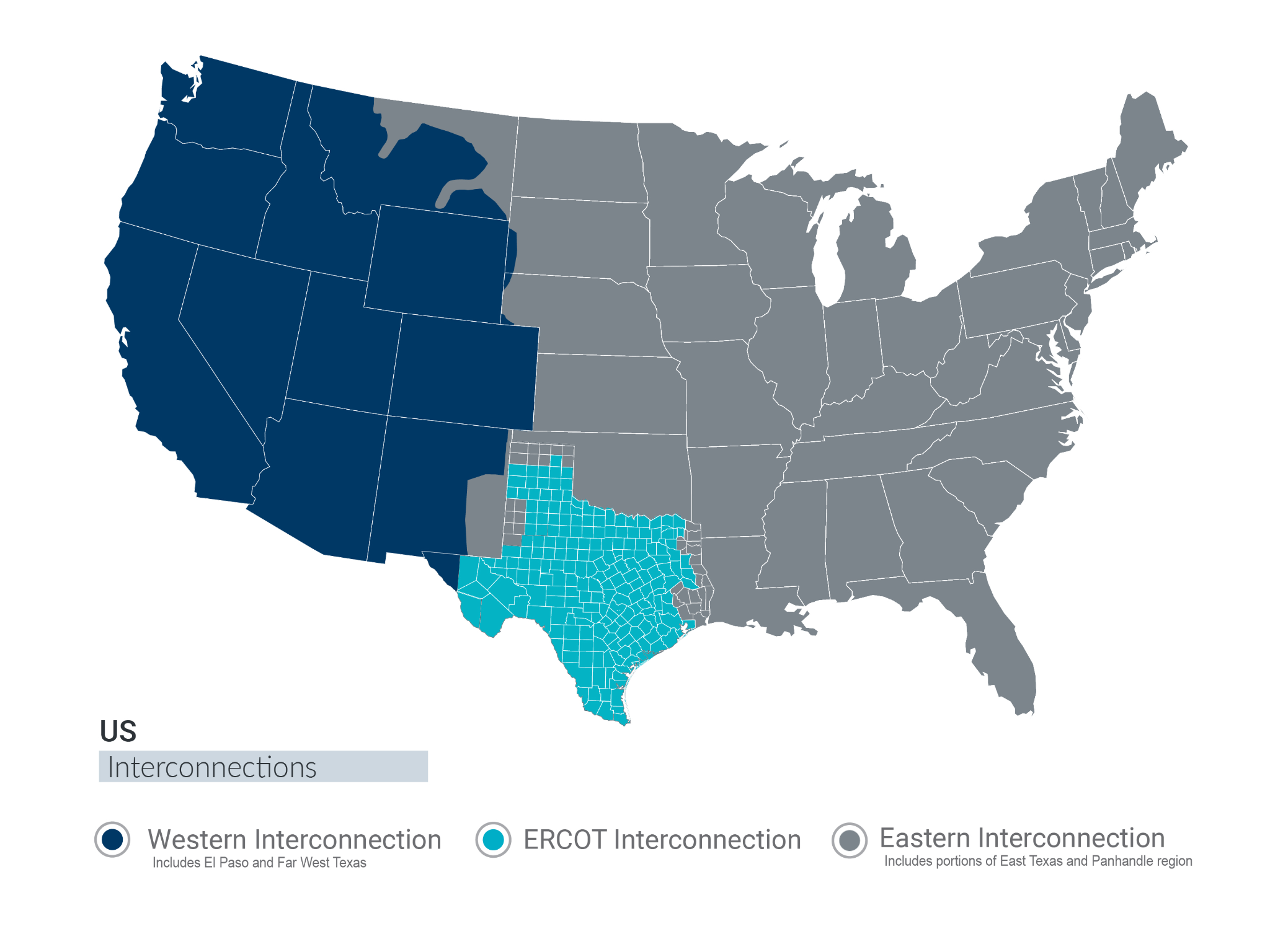
Texas is an energy island that’s disconnected from the national electric grid, except for small carveouts along the state’s borders. ERCOT operates Texas’ standalone grid, which serves about 90 percent of the state’s electric load. By operating in isolation, without crossing state lines, ERCOT avoids federal oversight.
The system relies on
- Generators that produce electricity from sources, including coal, natural gas, wind, solar and nuclear power;
- Transmission and distribution utilities, or TDUs, that move power across tens of thousands of miles of shared high- and low-voltage lines; and
- Private investor-owned retailers, member-owned cooperatives and publicly-owned municipal electric providers that sell electricity to consumers.
Municipal utilities, the largest of which are in Austin and San Antonio, and electric co-ops often generate and deliver power.
Texas also operates as an “energy-only” market, meaning generators only get paid for power produced. In other states, power companies are paid to be on standby, ready to quickly deploy energy if demand spikes.
Texas’ energy-only market rewards scarcity, not reliability. Higher profits are made when supply is low and demand is high, so capacity on the Texas electric grid typically teeters on the razor’s edge of a blackout.
During Winter Storm Uri when the natural gas supply dropped and demand increased, some companies spiked the cost of fuel more than 700 percent. Power generators that required fuel to generate electricity were forced to buy it at sky high prices, and incurred massive debts.
Lawmakers crafted House Bill 4492 during the 2021 Texas legislative session, a $6.5 billion dollar securitization plan to bail out distressed power companies with low interest bonds, so they could pay off their debts. But the bond fees were passed on to Texas consumers who will pay them off in higher electricity bills for decades.
That kind of profiteering wasn’t unforeseeable. But it didn’t have to happen that way.
The Public Utility Commission of Texas, which regulates the state’s utilities, intervened. On February 15, 2021, the commission raised the cap on wholesale electricity to the maximum allowed — $9,000 per megawatt hour. For days, wholesale electricity was left at that peak price, about 400 times the previous year’s average cost of $22 per megawatt hour.
The commission’s goal was to incentivize power plants to generate more electricity. But that logic was flawed, since many power plants were inoperable and couldn’t produce more power.
Even in the days leading up to Winter Storm Uri, there were signs that energy producers were scheming to turn a profit.
Before the storm, fuel prices began to spike, recalled Paula Gold Williams, former president and CEO of CPS Energy. Gold Williams told KUT that she received a natural gas quote from Energy Transfer that was 86 times higher than at the start of the month. When CPS Energy tried to negotiate a lower rate, reminding Energy Transfer that fuel was required to keep San Antonians safe, CPS Energy was essentially told: tough luck.
CPS Energy was charged about $850 million during the week of the storm to purchase gas, about how much the utility company spends on fuel during an entire year.
Erik Simpson, a former East Coast energy trader at Enron, told KUT that the 2021 Texas storm resembled what happened in California two decades earlier.
West Coast traders at Enron created false energy shortages to boost profits, which worsened blackouts and damaged California’s economy. The infamous scandal led to lawsuits, criminal convictions, and the company’s bankruptcy in 2001.
A similar pattern emerged during Winter Storm Uri, Simpson said. Days before the storm, gas supplies dropped, reserves shut down, and suspicious movements appeared — all these actions added up to, what he interpreted as, classic withholding for market manipulation.
Simpson also saw contracts broken, justified by a “force majeure” clause, which frees parties from liability when there’s a natural disaster.
After Energy Transfer insisted their gas couldn’t flow, Simpson said the company canceled its contracts with Houston power plants, which had locked in a rate of $2.50 per unit of natural gas.
Then, on the same day, Simpson said, Energy Transfer sold and delivered gas to Brazos Electric Power Cooperative in San Antonio for $950 per unit, nearly 400 times the rate in its original contracts with Houston’s power plants.
Brazos incurred $2.1 billion in costs and filed for bankruptcy. In an announcement of the filing, Brazos said it sought to protect its wholesalers and their retail customers rather than “foist this catastrophic financial event on its members and those consumers.”
Under the 2022 settlement agreement, the co-op agreed to sell off its power generation assets and become a transmission and distribution utility. The settlement also provided a hardship fund for co-op customers struggling with high electric bills related to the 2021 winter storm.
The Public Utility Commission has since lowered the cap on wholesale electricity to $5,000 per megawatt-hour from $9,000 per megawatt-hour, but the Railroad Commission has never placed a cap on natural gas prices during an emergency.

This story was funded by St. David’s Foundation through its Strengthening Local Media to Advance Community Health initiative. It was also funded in part by the Central Texas Climate Action Fund. Public Health Watch retains full authority over editorial content; read our editorial independence policy here.