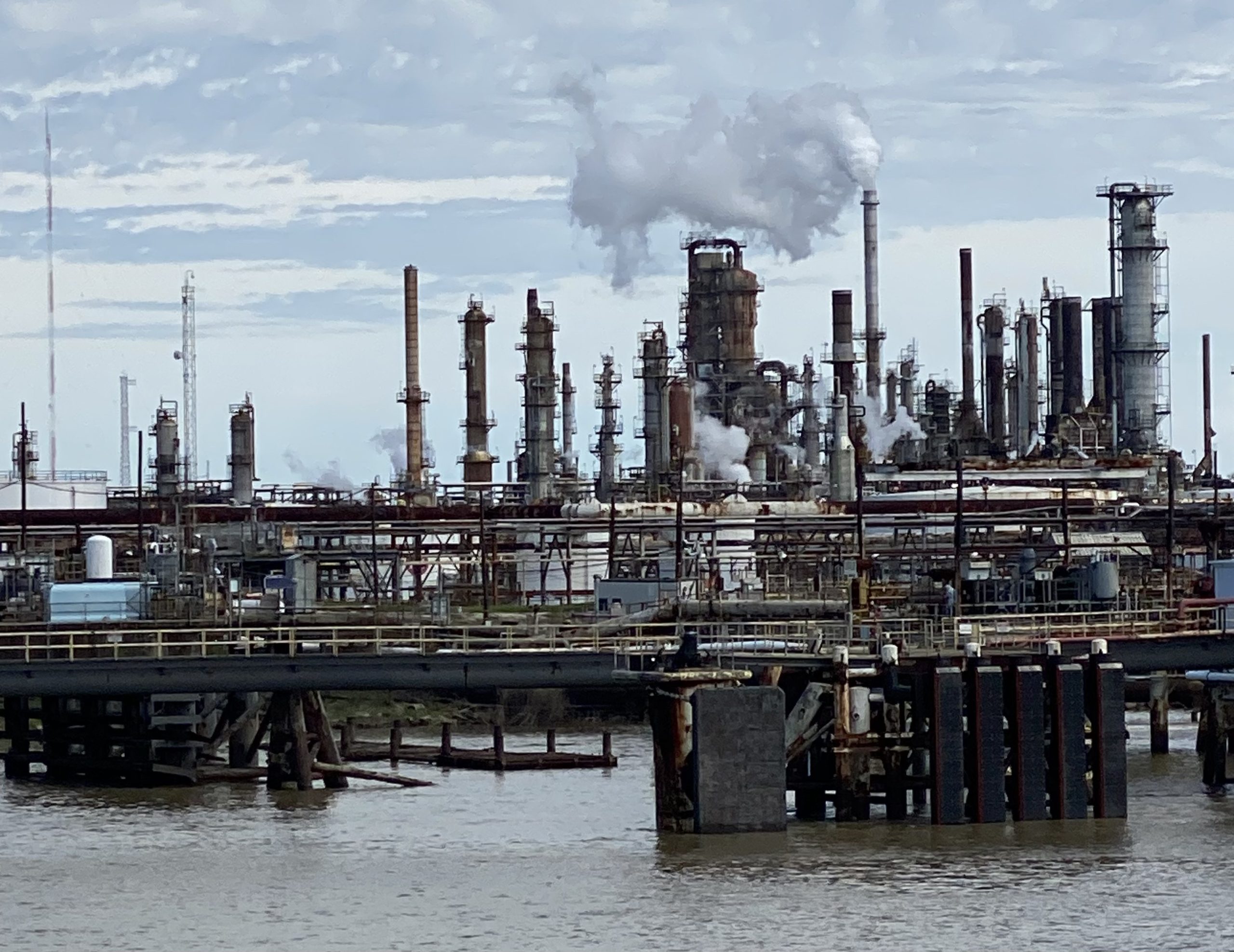
Fracking chemicals may be linked to pregnancy problems
Hormone-disrupting chemicals used in hydraulic fracturing may interfere with the pregnancy health of women who live near wells, new research suggests.
Hydraulic fracturing — also known as fracking — pumps water, sand and chemicals into the ground at high pressure to break up shale deposits and release oil and natural gas. A single well’s worth of fracking can discharge millions of gallons of chemical-containing water into the environment, including substances known to disrupt human hormones.
In the new study, published Oct. 16 in Environmental Health Perspectives, researchers found that the greater the number of fracking wells in a county, the higher the rates of local pre-term and low-weight births. The effect was strongest near wells that used chemicals that are known to interfere with human estrogen and testosterone — hormones that are essential in fetal development.
Researchers linked each one unit increase in density-per-square mile of estrogen-disruptor wells to a nearly 3.8-higher rate of pre-term birth than in counties with no such wells, for example. About 1 million oil and natural gas wells have been fracked across the U.S., with high concentrations of wells in states with natural shale deposits, including Pennsylvania, North Dakota and Texas.
More than 1,000 types of chemicals are used in fracking, including at least 100 that are known to be endocrine disruptors. Fracking chemicals and the waste they create have been found in drinking water supplies near industry wells.
Food insecurity worsens with night, rotating shift work
People who work nonstandard schedules are more likely to be food insecure, a new federal report shows.
About 4% of adults in 2021 who worked day shifts — the nation’s most common work schedule — lived in families that experienced food insecurity, according to the Oct. 17 report from the National Center for Health Statistics. In comparison, about 5% of people who worked night or evening shifts lived in food-insecure families, as did 5.7% of those who worked rotating or other shifts.
Food insecurity — defined as a lack of consistent, dependable access to a sufficient quality or quantity of food — is linked to a range of health harms in adults, including diabetes, high cholesterol and depression.
Workplace policies also factored into whether workers were food secure. Those who had greater flexibility to change their work schedules and more stability in their monthly income were less likely to have problems with insecurity.
About 79% of adult workers in the U.S. followed day shifts in 2021, while 9% worked night or evening shifts and 12% worked rotating or other shifts. Day shift workers were more likely to be white, more educated and to earn more income than workers in other shifts. Night and rotating shift workers were more likely to work in the service industry.
Previous research has found people who work nonstandard schedules may struggle to prepare meals, have lower quality diets and skip meals.
Arsenic exposure in drinking water increases heart attack risk
Long-term exposure to arsenic in drinking water may increase risks for cardiovascular disease, even at levels that are below the federal limit, a new study finds.
Researchers matched health records from participants in a multi-year health study with arsenic readings from their community drinking water systems, finding those who had been exposed for 10 years or more to the chemical were at high risk for cardiovascular disease. Risks were especially elevated for heart disease, according to the study, which was published in Environmental Health Perspectives.
Although the U.S. Environmental Protection Agency slashed the maximum contaminant level for arsenic in community water supplies from 50 micrograms per liter to 10 micrograms in 2006, drinking water remains a major source of arsenic exposure for many Americans, the Columbia University researchers said.
People in the study who were exposed to arsenic levels of 5 to 10 micrograms per liter of water long-term had a 20% higher risk of cardiovascular disease than those with no exposure, the study found. For people exposed to arsenic at levels above the EPA limit, that risk rose to 42%.
Higher arsenic concentrations disproportionally affected Hispanic people and those living in low-income and low-education neighborhoods. People exposed to the highest arsenic levels in their water were also slightly more likely to have diabetes or high blood pressure.
Arsenic exposure has been linked to inflammation and narrowing of the arteries, both of which contribute to arterial plaque buildup and high blood pressure.
Arsenic can occur naturally in the environment and is common in bedrock in New England, the upper Midwest and the Western U.S., including California, where the study was conducted. Human activity such as mining, pesticide use, burning of fossil fuels and wood preservatives can also contaminate drinking water with arsenic.
Banned flame retardant linked to Parkinson’s disease
Exposure to a flame-retardant chemical that was once common in everyday household items may increase risks for Parkinson’s disease, a new study says.
The research, published in Frontiers in Public Health, focused on human exposure to brominated flame retardants, chemicals that are added to plastics, textiles, TVs, computer monitors, building materials and other products.
Researchers examined data on serum samples collected during several years of national U.S. health surveys, finding that levels of biphenyl-153 were significantly higher in people with Parkinson’s disease. Also known as PBB-153, the retardant chemical was once used widely in furniture foam, auto upholstery, plastics and textiles. It was banned in the 1970s but remains in the environment and in outdated products.
The study found a U-shaped relationship between PBB-153 exposure and Parkinson’s disease risk. Rather than increasing indefinitely with greater exposure to the chemical, researchers found Parkinson’s disease risk rose up to a point and then declined. While the reason for the U-shaped relationship was not known, researchers suggested protective biological mechanisms in the human body that are triggered at a certain level of exposure could play a role.
Previous research has linked brominated flame retardants with neurodevelopmental disorders, hormone disruption and cancer.
Other recent public health news of note includes:
• Several new studies find that health inequities remain common for many Black Americans. Research in JAMA Ophthalmology found that Black adults are twice as likely as white adults to have glaucoma, which impacts 4.2 million people. New findings presented at the American Society of Anesthesiologists annual meeting showed Black patients are more likely to die after coronary bypass surgery and that they are less likely to receive multiple types of pain medication after surgery than white patients.
• New inspection guidance from the U.S. Department of Labor aims to protect workers in the animal slaughtering and processing industries from occupational risks. Workers in the industries suffer high rates of both injury and illness, with occupational illnesses six times higher than the overall U.S. workforce average in 2022.
• Environmental health advocates called on New York leaders to declare a state of emergency in Syracuse after tests found significantly high levels of lead in city tap water. More than 14,000 homes in the city use lead water pipes and are likely to have high levels of lead in their drinking water, the advocates noted.
• Science has linked exposure to per- and polyfluoroalkyl substances, also known as PFAS, to chronic kidney damage. A new study in the Science of the Total Environment says that connection may occur in part because PFAS harm inflammation-lowering bacteria that live in the human gut.
• Living near lots of green space may help offset the health harms of high temperatures from climate change for people in urban areas, says a study in BMJ Open.
The Watch is written by Michele Late, who has more than two decades of experience as a public health journalist.