
A weekly roundup of public health news

Cash payments during pregnancy linked to healthier births
Giving low-income families extra money during pregnancy can help babies get a healthier start to life, new research shows.
Expectant parents who received monthly cash payments through a short-lived 2021 federal program were more likely to have healthier birth outcomes, according to a study published in Health Affairs in October.
Researchers looked at birth records for parents who benefited from the expanded child tax credit program, a pandemic-era measure that provided families with six monthly cash transfer payments from July to December 2021. They found that for every $1,000 received during pregnancy, the risks of preterm birth and low birth weight declined.
Fewer babies were also born smaller than expected for their stage of pregnancy — a condition often linked to poor nutrition — among Medicaid users living in low-income areas. While the payments also improved the health of infants born to parents with private insurance, the impact was greater for people covered by Medicaid, researchers found.
Previous research has found the payments helped drive U.S. child poverty to a record low of 5.2%, with the biggest gains among Black children and single-parent families. Most households used the money for essentials such as food and clothing.
Exposure to Superfund sites raises risks for aggressive breast cancer
Living near a Superfund site can raise risks for a deadly and difficult-to-treat type of breast cancer, a recent study by University of Miami researchers finds.
Women residing near Superfund sites who breathed in high levels of air pollution had greater risks for triple-negative breast cancer, according to the research in Cancer Epidemiology Biomarkers and Prevention.
Triple-negative breast cancer is a fast-moving subtype of the disease that lacks three receptors — estrogen, progesterone and HER2 — that are the targets of most treatments. Black women are about twice as likely as white women to be diagnosed with triple-negative breast cancer. Because it grows quickly and is more likely to spread, it is considered one of the deadliest breast cancer subtypes.
A July study in Scientific Reports from the same research team found women living near a Superfund site had a 30% higher risk of being diagnosed with breast cancer that had spread to other parts of the body, also known as metastasis. Once breast cancer has metastasized, it cannot be cured.
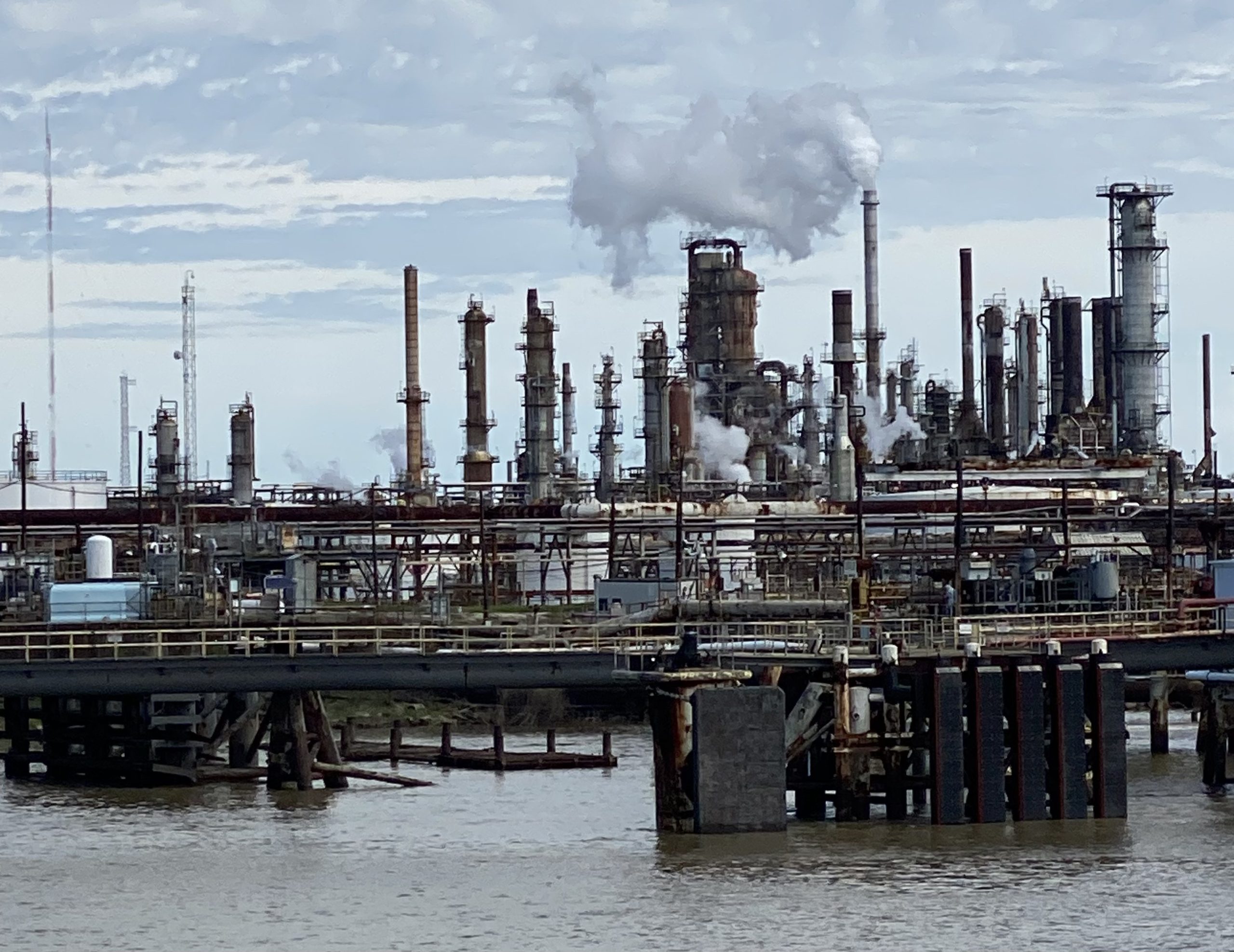
Superfund sites are polluted areas that the Environmental Protection Agency has flagged for cleanup because of their potential threat to human health or the environment. Examples include former military bases, industrial sites, oil refineries and mining operations, which can expose nearby residents to hazards such as heavy metals, chemicals or radioactive waste.
About 23 million people in the U.S. live within a mile of the nation’s 1,340 active Superfund sites, according to the U.S. Environmental Protection Agency. Those residents are more likely to be people of color, earn low incomes and have lower levels of education than the general U.S. population.
Air pollution taking heavy toll on children’s lives
Young children around the world are dying from air pollution in high numbers, with kids in poorer nations impacted the most, a new issue brief finds.
About 27% of preventable deaths among kids ages 5 and younger are linked to air pollution, reports the Oct. 14 brief from Zero Carbon Analytics. Last year’s State of Global Air report declared air pollution the second-leading cause of death for young children, ranking just below malnutrition.
Globally, young children die from air pollution-related causes — such as pneumonia, asthma or leukemia — at almost six times the rate of working-age adults, according to the brief. Rates are even higher in low-income countries, where about 1,000 children under age 5 are estimated to die from air pollution a day, compared to three deaths a day in high-income nations such as the U.S.
Children are at especially high risk of harm from air pollution because of their developing immune systems and small body sizes. Maternal exposure to pollution such as fine-particle matter, nitrogen oxide and ozone during pregnancy is linked to low birth weights, premature birth and developmental issues — meaning damage to a child’s health can occur even before they are born. Previous research has linked air pollution to 572,000 newborn deaths globally each year.
While children in developing nations are at high risk from air pollution, people in wealthier nations are not safe from exposure. In the U.S., almost half of the nation’s residents — including children — are estimated to breathe unhealthy levels of air pollution, according to the American Lung Association.
Other recent public health news of note includes:
• More than a decade after 9/11, first responders who had the highest exposure to toxic debris at Ground Zero in New York City face nearly three times the rate of lung cancer as those minimally exposed, a new study in JAMA Network Open finds.
• Dry soils in northern Mexico may be driving worsening droughts and heat waves across the southwestern U.S., including Arizona, New Mexico and Texas, a new study finds. The research, published in Geophysical Research Letters, shows that such “hot droughts” are lasting longer and continuing overnight, leaving little time for recovery.
• People diagnosed with cancer while incarcerated receive only about half of recommended treatments and often face delays in starting care, according to a study in JAMA Network Open. The patients were more likely to be diagnosed at later stages of cancer and had lower survival rates compared with people who were never incarcerated.
• Exposure to volatile organic compounds — gases released from fuels, plastics, solvents and tobacco smoke — may increase the risk of frailty, especially among men and older adults, according to a study in Frontiers in Public Health. The chemicals may speed up physical decline by causing cell damage that weakens the body over time, researchers suggested.
• Children born to mothers with higher levels of per- and polyfluoroalkyl substances in their blood show measurable changes in brain structure and function, researchers report in The Lancet Planetary Health. The study found links between maternal PFAS exposure and changes in brain regions that control coordination, vision and hormone regulation.
The Watch is written by Michele Late, who has more than two decades of experience as a public health journalist.