
A weekly roundup of public health news
Pesticide contamination threatens U.S. drinking water sources
A quarter of U.S. rivers and streams — including those used for drinking water — are contaminated with a common pesticide that can pose dangers to human health, a new report from the Center for Biological Diversity says.
Released September 24, the research found atrazine at harmful levels in more than 25% of all river and stream miles in the lower 48 states, accounting for nearly 860,000 miles. Atrazine is the most widespread pesticide contaminant in U.S. waterways, according to the report.
More than 20% of U.S. surface water facilities that supply drinking water draw from highly contaminated watersheds, and at least 675,000 drinking water wells are located within them, the research said.
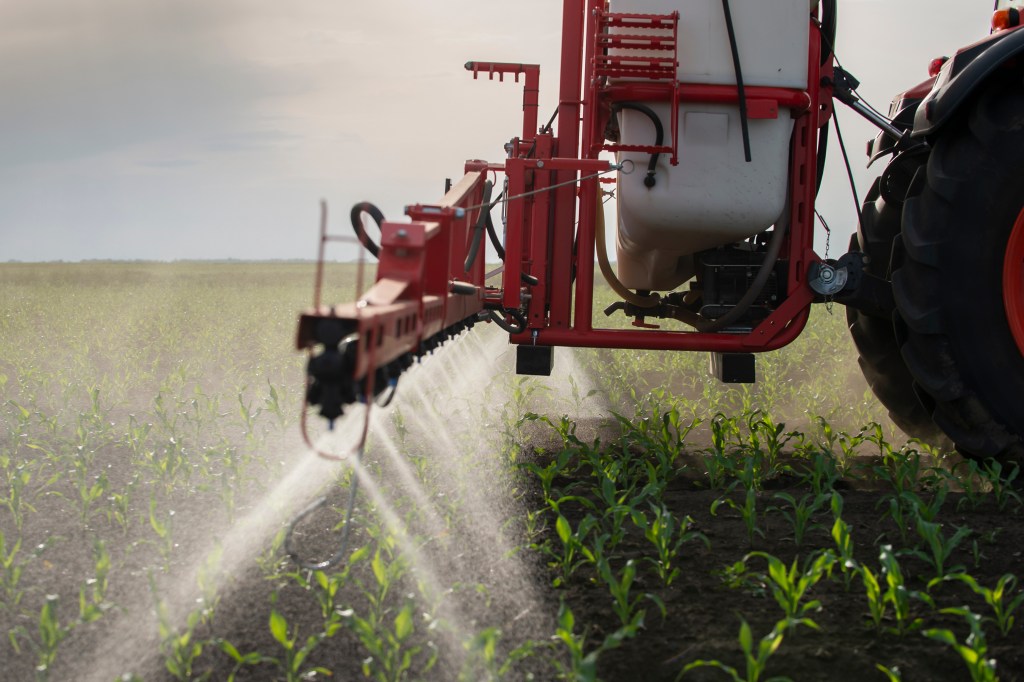
About 70 million pounds of atrazine are used in the U.S. annually to control weeds in crops such as corn and soybeans, at golf courses and on lawns. The pesticide is an endocrine disruptor that has been linked to reproductive and pregnancy health risks. The World Health Organization classified atrazine as “probably carcinogenic to humans” last year.
Atrazine contamination of waterways is particularly widespread across the Midwest, where the pesticide is heavily used on corn. In Illinois, Indiana, Iowa, Kansas, Missouri, Nebraska and Ohio, 68% of river miles have harmful atrazine levels, the report said. More than half of the region’s wells and a majority of its surface water drinking facilities are within contaminated areas.
Along the Texas Gulf Coast, widespread corn and sorghum production contributes to heavy atrazine use. More than 6 million acres of watersheds and 6,000 river miles from Corpus Christi to Galveston are contaminated. Nearly 15 million Texans receive water from public utilities with atrazine contamination, the report said.
Corn is also linked to atrazine runoff in the Chesapeake Bay watershed on the East Coast, contributing to contamination across more than 5.5 million acres and 15,000 river miles. Other hotspots include the lower Mississippi River, where corn and sugarcane production contribute to contamination. Atrazine-polluted watersheds extend along nearly the entire lower river, which supplies drinking water to about 20 million people.
Florida’s Lake Okeechobee also has high levels of contamination. Atrazine that is sprayed on about 500,000 acres of surrounding sugarcane fields contributes to high pesticide concentrations in the south-central Florida lake, which is also used for drinking water.
While more than 60 countries have banned atrazine, it remains approved for use in the U.S., where a federal limit for levels of contamination in drinking water is in place. The Environmental Protection Agency is working on a long-running registration review that will determine whether atrazine can continue to be used in the U.S. and what restrictions may apply.
Volunteer firefighters face health risks but miss screenings
Few volunteer firefighters get occupational health screenings despite the high risks posed by their work, according to a new study in Workplace Health and Safety.
The research, which was based on a survey of volunteer firefighters in Texas, found only 26% received an annual screening. Nationwide, volunteers make up about 65% of the U.S. fire workforce, and they account for most of the firefighters in rural communities.
About three-quarters of volunteer firefighters cited cost as the biggest screening obstacle. Nearly 40% said they did not know where to obtain occupational screenings or said they lacked health insurance. More than one-third said health care providers did not offer the screenings, or they did not have enough time to get them.
Access was particularly difficult for workers who served in rural areas. They were nearly twice as likely to identify cost as a barrier as those living elsewhere. Firefighters who worked full time were twice as likely to report time constraints.
Unlike career firefighters, volunteers also may receive little or no departmental support for occupational screenings, researchers said.
The low screening rate is concerning because firefighting routinely exposes workers to smoke, flame retardants, firefighting foams and other hazardous substances. Previous research has linked exposures to cancer, cardiovascular disease, chronic respiratory illness and other risks. The National Fire Protection Association recommends that all firefighters have regular screenings that assess cardiovascular and lung health, mental wellness and cancer risks.
Growing surgeon shortage threatens access to care
The nation’s shortage of surgeons will worsen significantly over the next 12 years, with rural Americans expected to be impacted the most, new research predicts.
The U.S. could be short nearly 28,000 surgeons by 2038, according to findings presented September 28 at the American College of Surgeons’ Clinical Congress. By then, the surgical workforce is projected to meet only about 84% of the nation’s need.
The shortage is being driven by two trends: The number of surgeons is projected to decline 4%, while an aging population and rising rates of chronic disease are increasing demand for their services by nearly 13%. Vascular surgery, ophthalmology, thoracic surgery and plastic surgery are projected to have the largest shortfalls.
The gaps are expected to be especially severe in rural communities, where patients already face long trips for surgical care. Shortages can mean longer waits for procedures as well as even greater travel distances.
Many people across the U.S. are already experiencing barriers to surgical access. More than 15 million Americans live in counties with no general surgeon, according to research published September 28 in the Journal of the American College of Surgeons.
Nearly one-third of U.S. counties have no surgeon practicing in any of 12 common surgical specialties examined by researchers, which included orthopedic, transplant, neurological and vascular surgery.
Rural hospitals are particularly affected. More than 400 critical access hospitals — small facilities that provide emergency and inpatient services — are in counties without a practicing surgeon.
People who live in rural areas are also experiencing more problems with common conditions that require emergency surgeries, another study presented at the surgical conference found.
From 1999 to 2020, the U.S. death rate associated with appendicitis, gallbladder inflammation and serious abdominal wall hernias increased about 50% overall among adults ages 18 to 64. In rural communities, the rate rose 86%. The three conditions generally have low death rates when surgery occurs quickly.
Other recent public health news of note:
• Hurricanes can dump high levels of microplastics from the atmosphere onto the ground below, a recent study in Integrated Environmental Assessment and Management reports. Researchers measured microplastic deposited at three North Carolina sites following Hurricane Helene in 2024, finding levels increased as much as 22 times. Researchers estimated the hurricane released 385 quadrillion additional microplastic particles into the atmosphere.
• Fast-paced targets set by food delivery apps are putting workers at risk of injury, a new brief warns. A survey of hundreds of New York City delivery workers conducted by researchers at the City University of New York found half had been injured on the job. Workers said the apps often controlled their delivery times, routes and work hours. Two-thirds said they rushed to meet delivery deadlines, while more than half worked during bad weather. About 40% met criteria for severe psychological distress, the researchers said.
• Air pollution can have an immediate impact on people engaging in outdoor physical activity, recent research on marathon runners shows. A study in Sports Medicine-Open found higher levels of nitrogen dioxide in the air on race days were linked to slower finishing times among more than 2.7 million people competing in six major marathons. Nitrogen dioxide, largely produced by vehicles and other fossil fuel-burning sources, can harm the heart and lungs. Most races occurred during periods of low to moderate pollution.
The Watch is written by Michele Late, who has more than two decades of experience as a public health journalist.more than two decades of experience as a public health journalist.