

A weekly roundup of public health news
Measles vaccination rates on the decline
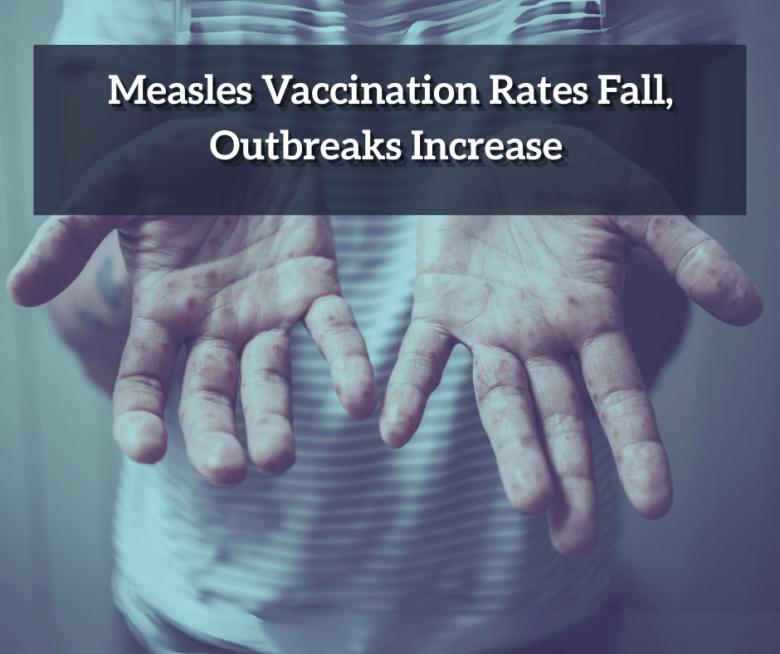
Vaccination rates for measles have been falling among U.S. children in recent years, opening the door to outbreaks such as the major one that began in West Texas this year.
A new study published in the Journal of the American Medical Association June 2 found measles-mumps-rubella vaccination rates fell in most U.S. counties from 2019 to 2024. Of more than 2,000 counties examined by researchers, 78% experienced declines in MMR vaccinations over the study period.
The average county-level MMR vaccination rate fell to about 91% in 2024, well below the 95% rate needed to provide community protection, researchers found. Of the 33 states in the study, only four — California, Connecticut, Maine and New York — experienced an increase in median county-level vaccination rates.
As of May 29, 1,088 cases of measles had been confirmed in the U.S. in 2025, according to the Centers for Disease Control and Prevention. Fourteen outbreaks have been reported, including the West Texas outbreak, which began in January and has spread to multiple states. More than 740 measles cases had been reported in Texas as of June 3, including the deaths of two unvaccinated children. An unvaccinated adult died in New Mexico as well.
While the number of new measles cases have fallen significantly in the U.S. since their peak in March, they continue to occur, with 20 new cases reported to CDC last week.
Disabilities impacting health of Asian American seniors
Asian American people may be losing their standing as the nation’s healthiest racial group, at least among older adults, a new study in the Journals of Gerontology finds.
From higher life expectancies to lower rates of obesity and maternal deaths, studies have found Asian American people are generally healthier than other Americans. But that does not apply across the board, researchers found.
While disability rates have declined among Black, Hispanic, white and Indigenous people in the U.S. in the past two decades, progress has stalled among Asian American older adults, the study said. That has caused their health to lag behind some of their peers.
From 2005 to 2009, for example, just 5.5% of Asian American older adults had difficulty doing everyday tasks on their own — a standard measure of disability — compared with 7% of white seniors. From 2020 to 2022, those rates declined by nearly a third among both Black and white seniors, but remained unchanged among Asian American older adults.
Growing income inequality may be playing a role, the researchers said. Over the 17 years of the study, the proportion of Asian American seniors who had low incomes rose, with corresponding increases in disability rates. Declining community and family support among Asian American seniors born in the U.S. may have also lowered health advantages usually found among the population, the researchers suggested.
Leaks from gas pipelines harm air quality
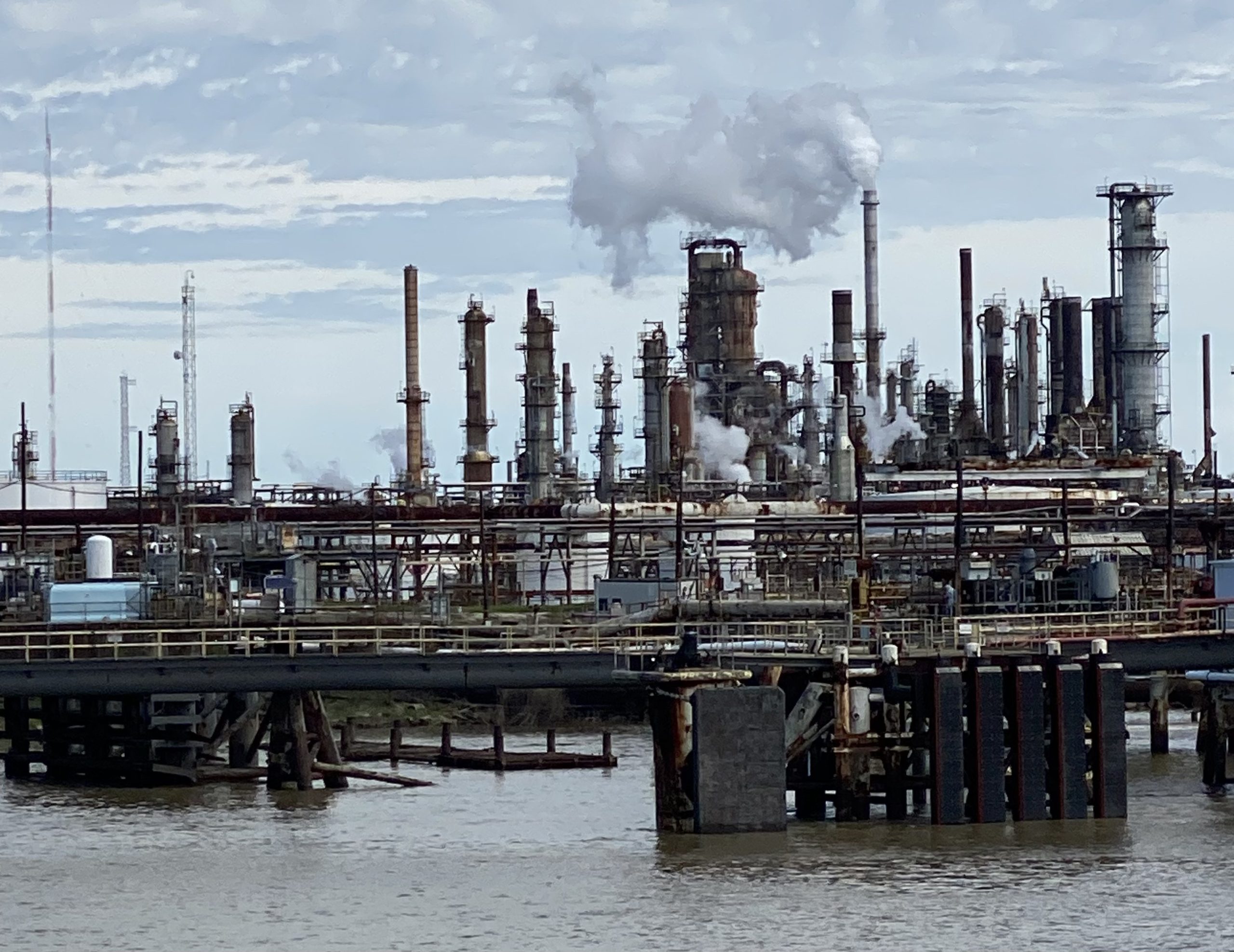
Natural gas leaks from pipelines raise levels of air pollution, with impacts reaching into neighboring states, new research finds.
Published June 3 in Risk Analysis, the study looked at documented gas leaks that occurred from 2009 to 2019 in the U.S. Those included the 2015-2016 Aliso Canyon Leak in California, which was one of the largest methane leaks in U.S. history, and the 2018 Merrimack Valley explosions in Massachusetts, which damaged more than 40 homes.
Researchers found pollutants such as methane and fine-particle pollution, also known as PM2.5, that were released during leaks increased air pollutant levels both nearby and in neighboring states. For example, gas leaks in Texas, which has extensive pipelines and frequent incidents, raised levels of PM2.5 in Oklahoma and Louisiana, the study said.
Strict state-level environmental regulations can reduce hazardous natural gas leaks, the researchers found. States with such laws, including California, Massachusetts and New York, had fewer leak incidents over time.
Other recent public health news of note includes:
• People can be exposed to lingering fine-particle air pollution from wildfires even after they are extinguished, says a new study in Epidemiology. The health effects from exposure to PM2.5 from wildfire smoke can last for months afterward, according to the research. Exposure was highest in disadvantaged neighborhoods and areas with high levels of vegetation.
• The costs of emergency surgeries hit people of color of harder, a new study in Surgery Open Access reports. Black, Hispanic and Asian and Pacific Islander patients face significantly higher costs when undergoing emergency surgeries compared to white patients, researchers found. On the high end, Asian and Pacific Islander patients faced nearly 30% higher costs than white patients.
• Coastal communities in the U.S. are experiencing flooding more frequently, new science in Communications Earth & Environment says. While coastal flooding was once mainly linked with extreme storms such as hurricanes, it is now also occurring with everyday showers and high tides, likely due to human-caused climate change, researchers said.
• New research in Science Advances finds waste in rivers can be carried into the air in surrounding communities. Researchers detected chemicals and other substances in wastewater — including sewage, industrial waste and runoff — from the Tijuana River in both air and water in San Diego County, California.
• Microplastics consumed through food and beverages can impact bodily organs, new findings presented June 1 at a meeting of the American Society for Nutrition suggest. The study found microplastics ingested by mice harmed their glucose metabolism and caused injuries to their livers.
• Unused farmland is contributing to dust storms in California, a recent study in Communications Earth & Environment finds. A growing dust problem in the state threatens the health of millions of residents, researchers said. California’s Central Valley is associated with about 88% of the state’s major human-caused dust storms.
The Watch is written by Michele Late, who has more than two decades of experience as a public health journalist.