
A weekly roundup of public health news
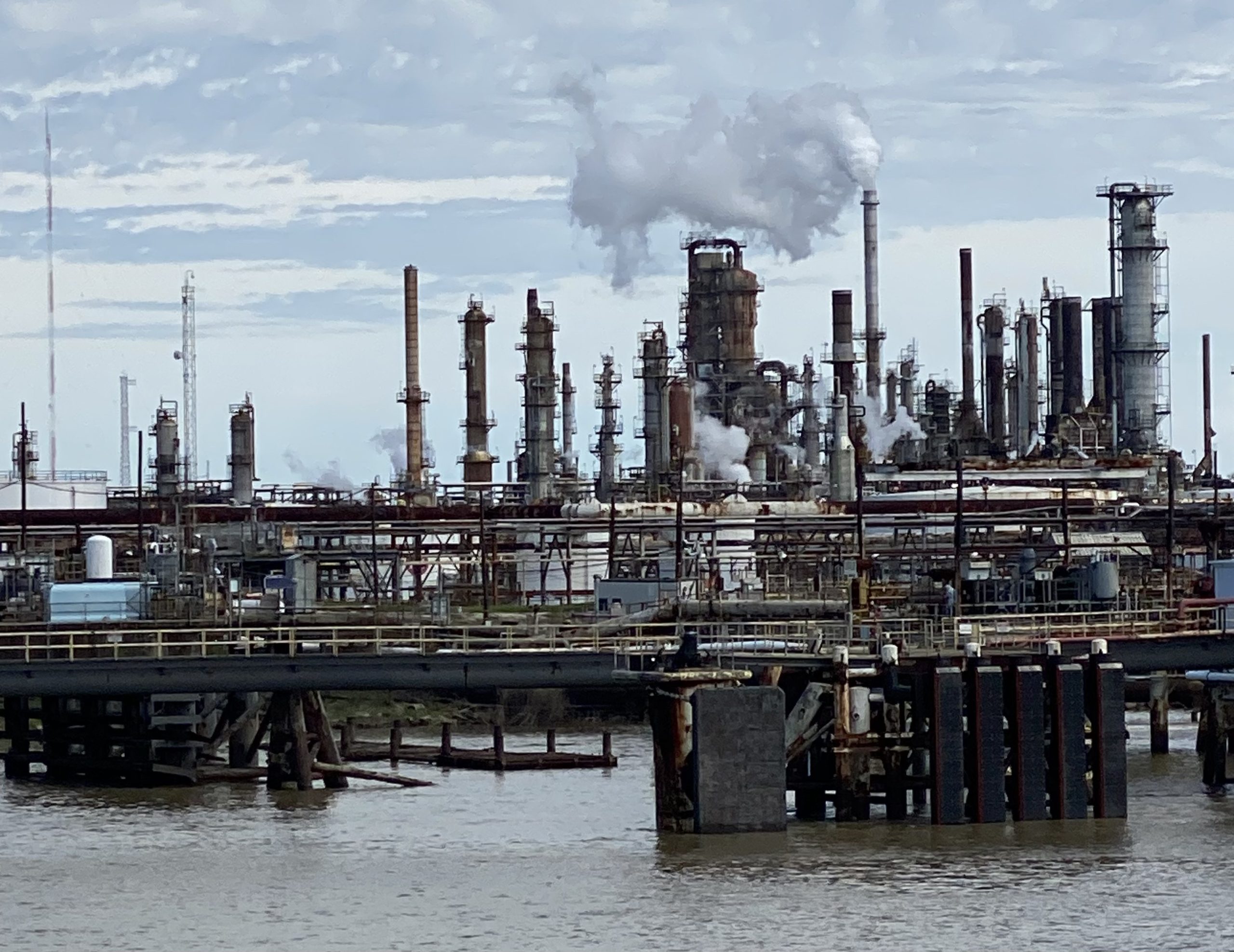
Fossil fuel companies worsen Western U.S. water crisis
Climate change is worsening drought and increasing irrigation needs in the Western U.S., and major fossil fuel companies are partly to blame, new science says.
A study in Nature’s Communications Earth and Environment links the companies to half of the climate change-driven impacts on water conditions in the Western U.S. over the past 75 years.
Published August 25, the study traced changes in water supply and demand to emissions from 122 of the world’s largest fossil fuel producers and cement manufacturers, including BP, Chevron, ExxonMobil and Shell.
Climate change reduced Western snowpack by 36% and warm-season streamflow by 13% from 2014 to 2024 while increasing irrigation demand by more than 4%. Emissions tied to the major producers accounted for about half of those changes, researchers found.
The changes are also affecting when water is available. Snow melts and runoff arrive earlier, leaving less water during warmer months when farms need it most. The midpoint of annual streamflow now occurs about six days earlier on average because of emissions traced to the companies, and as much as 30 days earlier in some mountainous areas.
The effects were particularly pronounced in heavily farmed areas of California, Oregon and Washington. The Klamath, Sacramento, San Joaquin and Middle Columbia River basins ranked among the areas experiencing both large declines in streamflow and increases in irrigation demand.
California’s Central Valley, known as the nation’s food basket because of its significant agriculture output, has also lost groundwater. About 20% of the region’s total groundwater loss from 2003 to 2024 was linked to climate change, with half of that attributed to major emission producers.
In the Colorado River Basin, water demand has exceeded supply since the early 2000s. In California’s San Joaquin Valley, allocations of surface water exceed the amount available.
The Western U.S. already has limited water supplies, and agricultural demand frequently exceeds available water. Agriculture accounts for about 80% of developed water use in the region, researchers noted.
Beyond agriculture, falling groundwater levels can cause residential wells to run dry, while reduced water supplies and hotter, drier conditions can increase wildfire risks. Earlier snowmelt and runoff can also raise flooding risks.
Scented cleaning products can create indoor air pollution
Scented cleaning products release inhalable nanoparticles at levels on par with traffic smog, new research finds.
The study, which was presented August 27 at the fall meeting of the American Chemical Society, found the particles can form within minutes of cleaning, allowing them to quickly reach the lungs of people using the products.
Fragrances in cleaning products release chemicals called terpenes into indoor air, researchers said. The chemicals can react with ozone, which enters buildings from outdoors and can also be produced by indoor devices such as printers and photocopiers. That creates extremely small particles that can be inhaled deep into the lungs.
Researchers tested liquid cleaners, disinfectant sprays and wipes while performing common household tasks, including mopping floors and wiping countertops. Some products generated trillions of nanoparticles.
Most particles measured 30 nanometers or less, making them too small for many home air quality monitors to detect. When inhaled, nanoparticles can reach deep in the lungs, causing irritation and inflammation, and enter the bloodstream.
The amount of particles that could be inhaled while cleaning was similar to exposure from standing near a busy road, researchers said.
Particle levels increased further when scented products were used in conjunction with ozone-generating ultraviolet-C lamps, which are often used to disinfect air in healthcare facilities, ventilation systems and food processing sites.
Most Americans favor ban on weedkiller, poll finds
Most U.S. adults support banning glyphosate, a weedkiller ingredient that has been linked to a range of health risks.
About two-thirds of adults favor banning glyphosate from use on crops grown in the U.S., according to an Annenberg Public Policy Center survey released August 17.
The strong support comes despite limited public familiarity with glyphosate, the active ingredient in the popular weed killer Roundup. More than 80% of adults who took the April survey said they had heard little or nothing about the chemical in recent months.
In February, President Donald Trump signed an executive order designed to protect production of glyphosate, citing its importance to military readiness and agriculture. In March, a group of international scientists issued a statement calling for nations around the world to treat the chemical as hazardous and take actions to protect workers and the public.
Despite science released this year linking glyphosate to DNA damage, antibiotic resistance and hormonal changes, many survey respondents said they were uncertain about its health effects. Half said they believed glyphosate exposure causes cancer, while 46% were unsure. Just 4% said exposure does not affect cancer risk.
Overall scientific assessments of cancer risk have differed. The International Agency for Research on Cancer, part of the World Health Organization, classified glyphosate as probably carcinogenic to humans in 2015. But the U.S. Environmental Protection Agency concluded in a 2017 review that the chemical was unlikely to cause cancer when used according to label directions.
Other recent public health news of note:
• As drought becomes a growing concern with climate change, new science is drawing attention to its harms to human health. A study in The Lancet Regional Health-Americas finds women who experience drought during pregnancy are at greater risk of giving birth preterm and that their babies may be born smaller in size. In California, where cases of a fungal-related respiratory disease known as valley fever are on the rise, water scarcity may be increasing risks of infection, research in Science Advances reports. And new findings in Earth’s Future show drought can drive up wheat prices around the world, potentially threatening food supplies.
• Living near nuclear sites may raise risks for autoimmune and endocrine disorders, according to new science in Risk Analysis. Researchers found higher risks for the conditions among people who lived within five miles of the former Santa Susana Field Laboratory. The California site was used for rocket testing and nuclear reactor operations, contaminating soil and groundwater. The U.S. has hundreds of former and operating nuclear sites across the nation, spanning commercial, military and research use.
• Stormwater runoff in urban areas can be high in microplastics, a new analysis in Water, Air & Soil Pollution shows. Researchers examined runoff in densely populated areas, finding microfibers, rubber particles and other plastic fragments were higher there than in less populated regions. The contaminants, which can be conveyed via stormwater to rivers and coastal waterways, were most likely derived from activities such as clothes laundering, single-use plastic and vehicle traffic debris, the study said.
The Watch is written by Michele Late, who has more than two decades of experience as a public health journalist.