Stroke risk higher for Indigenous people
From the Alaskan U.S. to the outback of Australia and beyond, many Indigenous populations around the globe are at elevated risk for stroke, new research finds.
Published Feb. 14 in Neurology, the review by researchers at Australia’s Monash University found that Indigenous people are as much as 90% more likely to experience stroke than non-Indigenous people. The review focused on 30 years of studies on seven countries with high levels of education, health and standards of living.
In the U.S. — where there are 574 federally recognized American Indian and Alaska Native tribes and villages, according to the Bureau of Indian Affairs — Indigenous people were 20% more likely to have a stroke than non-Indigenous residents, the review found. Previous research has found that American Indian and Alaska Native people are more likely than white Americans to have high blood pressure and obesity and to use cigarettes, all of which raise stroke risks.
Indigenous people in other parts of the world faced even higher stroke risks over the study period. In Singapore, the Malay people — who are estimated to make up almost 14% of the population — were 70% to 90% more likely to have a stroke compared to non-Indigenous populations, the review found.
In Australia, Aboriginal Australians and Torres Strait Islander people were as much as three times more likely to experience a stroke than non-Indigenous people. The Sámi people of Norway and Sweden were up to twice as likely to have a stroke than non-Indigenous residents.
Study researchers suggested that inequitable access to resources that can help people prevent and manage stroke risks may account for the disparities.
Air pollution linked to heart disease deaths
Air pollution is contributing to increasing cardiovascular disease-related deaths around the world, particularly in low-income countries, a new study finds.
Researchers examined data on more than 180 countries. They found that outdoor air pollution was associated with 16 ischemic heart disease-related deaths — linked to decreased blood flow — per 100,000 people in high-income countries in 2019. That compared with 70 per 100,000 people in low-income countries.
Indoor air pollution from fuel and cookstoves was also a major contributor to cardiovascular disease-related deaths in low-income countries, according to the study, published this month in Chronic Diseases and Translational Medicine. While outdoor air pollution was associated with 19 stroke-related deaths per 100,000 people in low-income countries, indoor air pollution was linked to 39 per 100,000.
Three high-income countries — Mauritius, Panama and Romania — also had cardiovascular disease-related deaths associated with indoor air pollution, the study found.
In the U.S., cardiovascular disease-related deaths jumped from more than 874,000 in 2019 to almost 929,000 in 2020, reaching a new high, according to a January report from the American Heart Association and National Institutes of Health. Globally, cardiovascular disease-related deaths increased from 12.4 million in 1990 to 19.8 million in 2022, a December study found.
About 12% of global deaths were attributed to outdoor and indoor air pollution in 2019, data from the Global Burden of Disease study show.
Oil and gas contractors at high risk for injury
While oil and gas workers make up a small portion of the U.S. workforce, they are overrepresented in on-the-job injuries. A new study finds that contract workers, who comprise much of the oil and gas workforce, are at highest risk for serious harm in the hazardous industry.
About 2,100 oil and gas extraction industry workers experienced severe injuries on the job over a recent seven-year period, according to reports filed with the Occupational Safety and Health Administration. Most of the injuries — which were serious enough to lead to loss of an eye, an amputation or inpatient hospitalization — occurred among contract workers, according to the Feb. 8 study in Morbidity and Mortality Weekly Report.
Although they make up about two-thirds of the oil and gas extraction industry, contract workers often have less job-specific training, less information about their work environment, and less access to safety equipment than permanent workers.
Contract workers with well-servicing companies experienced the highest number of hand and leg injuries during the study period, with more than 700 reported from January 2015 to July 2022. Other injuries included open wounds and damage to bones, nerves and the spinal cord.
About 60% of injuries were associated with objects and equipment, and 18% were linked to falls, trips and slips. Other injury sources included explosions, fires, harmful substances and transportation.
Review of worksite hazards, better equipment training and daily site meetings can help minimize injuries to contract workers, suggested study researchers, who were associated with the Centers for Disease Control and Prevention’s Epidemic Intelligence Service and National Institute for Occupational Safety and Health.
Preterm births in Louisiana linked to air pollution
Babies of women living in areas of high air pollution in Louisiana are at considerably higher risk of being born preterm than those in less polluted areas, a recent report finds.
Almost 3,600 preterm births and 2,200 low-weight births are attributable to toxic air pollution exposure each year in Louisiana, according to the report from Human Rights Watch.
In Louisiana census tracts with the worst air pollution, rates of low birth weight were as high as 27%, twice the state average and more than triple the U.S. average, the report found. Rates of preterm births were as high as 25.3%, exceeding the state rate of 13% and national rate of 10.5%.
Census tracts with the highest air pollution had a 25% higher risk of preterm birth and a 36% higher risk of low birth weight compared to those with less air pollution.
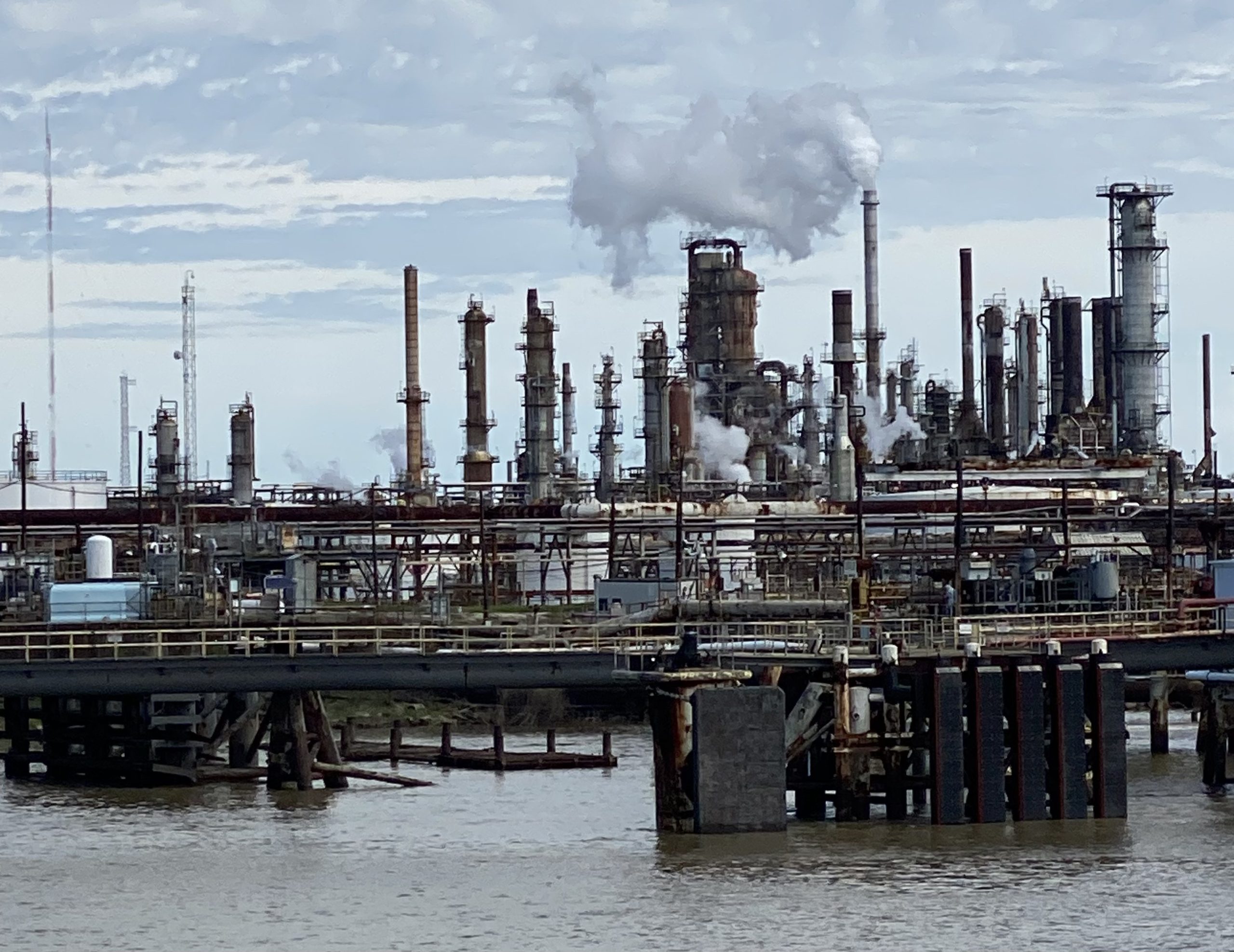
Areas of the state with high air pollution levels included an 85-mile stretch along the state’s southern border known as “Cancer Alley” because of its proximity to about 200 fossil fuel and chemical industry facilities. Sixty-six percent of Louisiana’s greenhouse gas emissions in 2020 were produced by the facilities, the report said.
Health harms in the region, which include elevated risks for cancer and respiratory disease, are disproportionately borne by the area’s Black residents, according to Human Rights Watch.
Among all U.S. states, Louisiana has the second-highest rate for low birth weight, accounting for 11.3% of live births in 2021, according to the latest report from America’s Health Rankings.
The Watch is written by Michele Late, who has more than two decades of experience as a public-health journalist.