

A weekly roundup of public health news
Utilities ramping up fossil fuels to meet growing power demand
As U.S. power demands rise, utility companies are planning to ramp up their reliance on fossil fuels — even as their emissions fuel climate change, a new Sierra Club report finds.
U.S. electric utilities are planning to expand the nation’s natural gas power capacity by 25% by 2035, according to the Sept. 22 report, which examined plans from utilities that account for half of the nation’s coal and gas power generation. Utilities are also planning to keep most existing coal-fueled operations running, with only 25% scheduled for retirement by 2030.
At the same time, utilities plan to build enough wind and solar power to replace just 25% of their existing fossil fuel generation and meet projected growth in electricity demand through 2035, down from 32% last year.
Electricity demand is expected to rise sharply in coming years, with data centers driven by artificial intelligence and other digital services playing a major role, the report said. Transportation, building and industrial electrification are also increasing demand.
The shift comes as utilities have scaled back some previous commitments to reduce greenhouse gas emissions under the Trump administration, which has weakened and removed regulations for power plants. Over the past two years, 41% of the utilities studied in the report have pulled back on their commitments, researchers said.
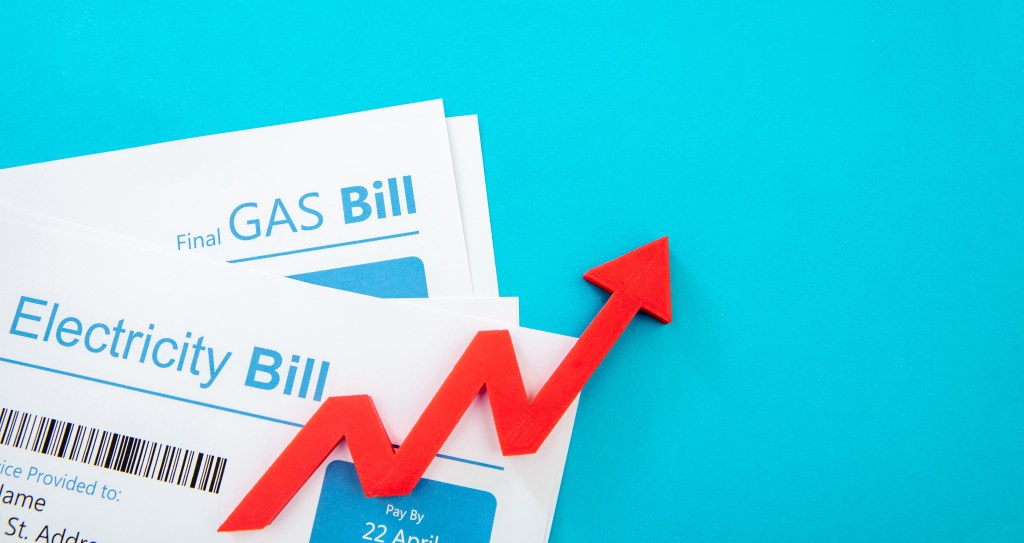
Electricity costs have also been rising. From January 2025 through August 2026, utilities nationwide raised or sought permission to raise rates by a combined $101 billion. Average household electricity costs increased by about $116 in 2025, while electricity prices rose at more than twice the overall inflation rate.
Stronger El Niño predicted to bring massive heat deaths
This year’s ongoing El Niño — already linked to flooding, droughts and wildfires around the world — could lead to nearly half a million heat-related deaths, new estimates predict.
The current “super” El Niño is projected to cause about 451,000 additional heat-related deaths during its first nine months, from June through February, compared with a typical year, according to a new report from the Climate Impact Lab.
El Niño is a naturally occurring climate pattern that occurs every two to seven years. It is marked by unusually warm waters in the tropical Pacific Ocean that can disrupt weather around the world. This year’s El Niño is amplified by human-caused global warming, which has set new temperature records recently.
While this year’s El Niño has already been devastating, it is expected to grow even stronger in coming months because of exceptionally warm tropical Pacific Ocean conditions, according to the World Meteorological Organization.
In coming months, global land temperatures are expected to run about 2.1 degrees Fahrenheit above normal, driven largely by El Niño, which is expected to continue through spring in the Northern Hemisphere. The warming is projected to produce 44% more extremely hot days than would occur in a normal year, the Climate Impact Lab estimated.
About 239,000 of the additional heat deaths are projected to occur through February. The toll could continue rising after that, as unusually high temperatures and heat-related deaths are expected to persist into mid-2027.
The greatest impacts are expected in parts of Africa, Asia and South America, but heat-related deaths in parts of the Northern Hemisphere, including India and Pakistan, are also expected to climb. The U.S. could experience about 3,500 additional heat deaths during the next six months, the report said.
This El Niño also provides a preview of temperatures that are expected as climate change progresses, creating conditions that could become typical about 20 years from now.
Poll: Americans wary of AI’s environmental impacts, costs
Concern over the environmental impacts of artificial intelligence is growing among Americans, who want limits on data center construction, new results from a national poll show.
More than half of U.S. adults are extremely or very concerned about AI’s environmental effects, up from 41% last year, according to the July poll from the Associated Press-NORC Center for Public Affairs Research and the Energy Policy Institute at the University of Chicago.
Concern rose most sharply among young adults. Sixty percent of people ages 18 to 29 reported high levels of concern, up from 38% in 2025. Americans now express greater concern about AI’s environmental effects than those of cryptocurrency, meat production or air travel.
Nearly half of all adults said they expect AI to do more environmental harm than good over the next decade, compared with 33% who held that view last year.
The data centers that power AI and other digital services are also raising concerns. More than 80% of adults said they are worried about how data centers could affect electricity prices, water supplies and power outages.
Americans also showed broad support for placing requirements on data centers. A majority supported requiring companies to pay for electric grid upgrades needed to serve their facilities and requiring data centers to use clean energy. Most also supported limiting how many new data centers can be built.
Millions with private insurance burdened with medical debt
A third of U.S. adults with private health insurance are struggling with medical bills or debt, new research finds.
Many Americans with debt owe thousands of dollars, despite carrying coverage designed to support their care, according to the study by the Commonwealth Fund, which was released Sept. 17. Nearly half of people paying off medical bills owed at least $2,000, representing millions of working-age adults who had private health coverage throughout the year.
Medical debt also took a toll on people’s health and household finances. More than two-thirds said unpaid bills caused worry or anxiety, while more than a third dipped into their savings to pay them. About a third cut back on necessities such as food, heat or rent, and a similar share delayed or avoided needed health care.
Hospital care was the leading source of medical debt, accounting for bills among nearly two-thirds of people with debt. But Americans also carried debt from routine care, including doctor visits, lab work and diagnostic tests. About 40% said their bills were connected to treatment for a chronic or ongoing health condition.
Medical debt was especially common among Black and Hispanic adults, women, people with low or moderate incomes and people living in the South. About a quarter of those with debt said their unpaid medical bills had been reported to a credit bureau.
While the majority of U.S. adults had health insurance last year, coverage can vary widely, with high out-of-pocket costs and plan deductibles making care difficult to access. Insurance denials and higher-than-expected costs can also create barriers.
Other recent public health news of note:
• Exposure to chemicals and other potentially toxic substances can take a toll on the human immune system, new research says. A Sept. 21 study in the Proceedings of the National Academy of Sciences finds that perfluorooctane sulfonate, a common “forever chemical,” can weaken the body’s antiviral defenses. PFOS was linked to lower vaccine antibody levels and higher viral loads in people with flu and other infections. Sept. 19 research in the Journal of Exposure Science & Environmental Epidemiology links childhood lead exposure to a greater risk of strep throat, even at relatively low levels. Children with higher blood lead levels were more likely to be diagnosed with strep and to have repeated diagnoses, researchers found.
• More than 40% of U.S. women are delaying recommended health care because of cost, according to the latest KFF Women’s Health Survey. About a third of women ages 18 to 64 — who tend to have lower incomes and use health care more than men — said they had skipped or postponed medical tests or treatments in the past year because of costs, according to the survey, which was taken this spring. A quarter of women also cut back on needs such as food and electricity so they could afford care.
• U.S. death rates are rising faster than in other wealthy nations, widening a decades-long gap in life expectancy, a new analysis in the Milbank Quarterly finds. Young adults have experienced the sharpest increase, with deaths among people ages 25 to 44 rising 71% from 2010 to 2021, driven largely by drug overdoses and conditions such as high blood pressure and liver disorders. Rising deaths from suicide, homicide and chronic diseases are also taking a toll. Health care access, economic insecurity, income inequality and state policies may contribute to the nation’s growing death disadvantage, researchers said.
The Watch is written by Michele Late, who has more than two decades of experience as a public health journalist.