The way to right wrongs is to turn the light of truth upon them.
Ida B. Wells, investigative journalist and civil rights advocate in the late 19th and early 20th centuries
Public Health Watch turns five years old today.
We launched on August 16, 2021, when the COVID-19 pandemic was still very much with us. Our first media partners were NPR and Columbia Journalism Investigations. Our first project examined rising numbers of heat-related worker deaths in America.
We did not have a pile of money in the bank, and our long-term survival was far from certain. But we had what we believed to be a good idea — furthering place-based accountability reporting on public health, broadly defined — and a core group of people who were committed to it.
I won’t try to recap five years here but do want to offer some recent highlights:
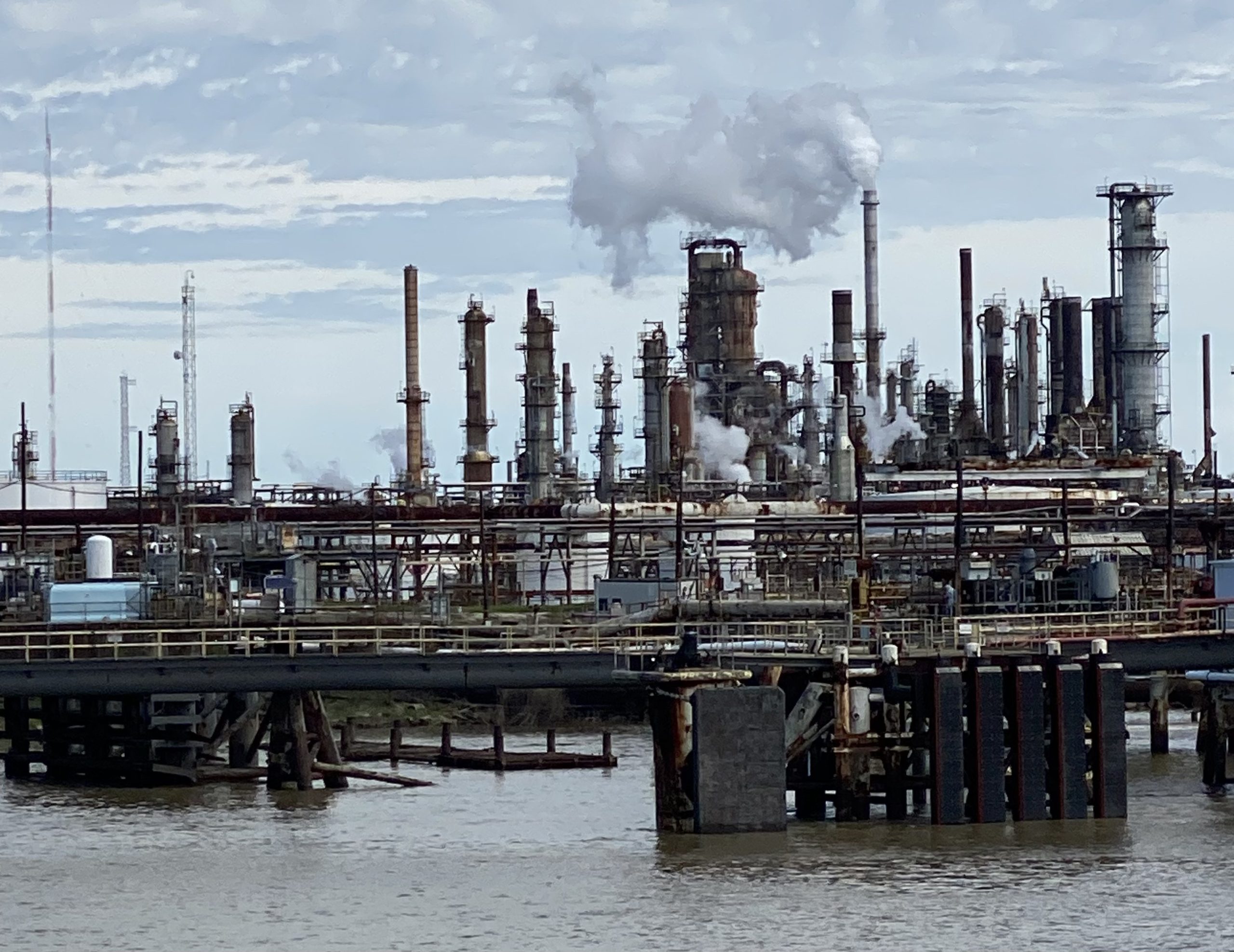
- Just three days ago, we were honored with national Edward R. Murrow awards for two projects, “Uninsured in America” and “Fumed.” The former examines the terrible human consequences of life without health insurance in this country; the latter profiles some of the people who live in the shadow of the Texas petrochemical industry. By my count, we’ve garnered about two dozen awards in our brief history — validation of our almost-maniacal insistence on rigorous reporting, careful data analysis and vivid writing.

- The week before the Murrow awards were announced, we released — with partners Kentucky Public Radio, NPR and PBS’s Frontline — digital and radio pieces revealing that the rates of black lung among coal miners in Appalachia had soared to levels not seen in nearly a half-century, primarily because thinner coal seams are forcing the miners to drill into rock laden with lung-destroying silica. One of the two reporters was Howard Berkes, a retired NPR correspondent who serves as chair of our board. As of August 14, Howard told me, his segment on NPR’s The Sunday Story had been downloaded 445,000 times. At least 66 news organizations had republished or otherwise referred to our story, with more media pickups surely coming. And Frontline plans to update its award-winning 2019 documentary, “Coal’s Deadly Dust,” with our findings sometime this fall. All of this grew out of a single Public Health Watch story. That, to use a word popular in the nonprofit news space, is amplification.
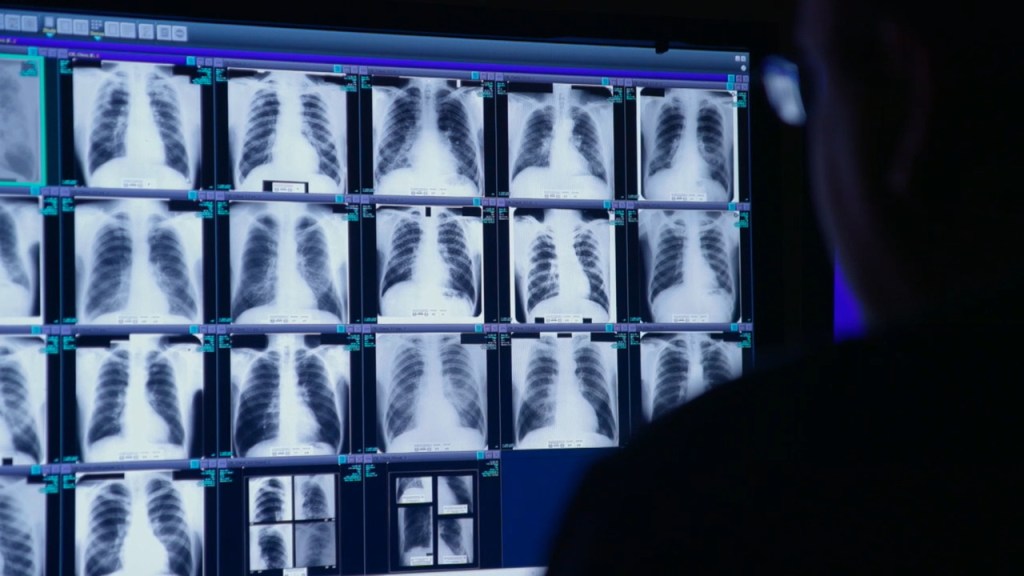
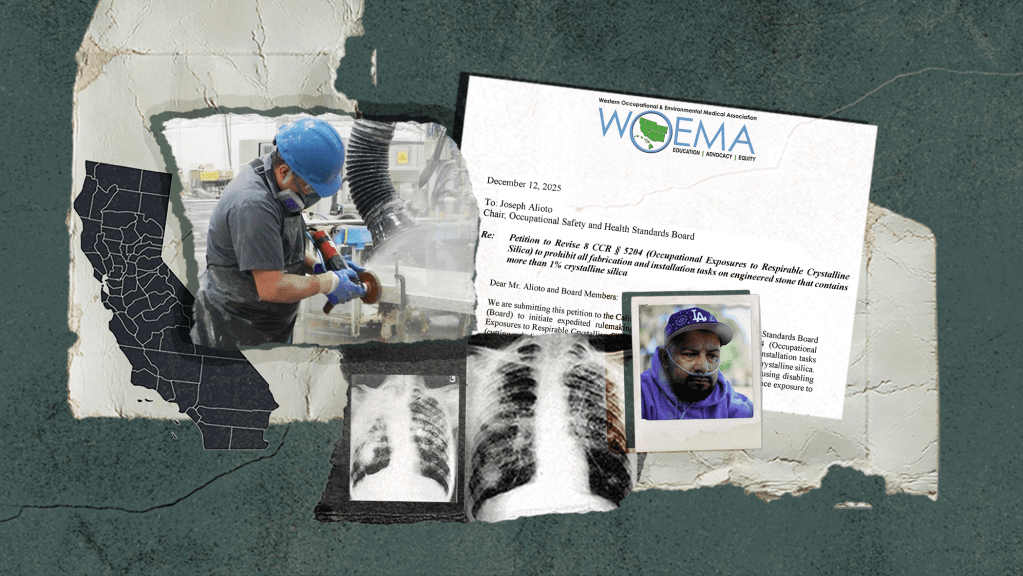
- Some of our stories have remarkably long tails. In December 2022, we and partners Univision and LAist were the first to disclose an outbreak of the fatal lung disease silicosis among fabricators of artificial-stone countertops in Southern California. That outbreak became an epidemic; as of August 13, the state had confirmed 635 cases of silicosis and 35 deaths among the predominantly Latino immigrant men who cut, grind and polish silica-rich slabs that become stylish countertops in homes and businesses. In May of this year, a California regulatory body voted to take initial steps toward banning this dangerous work — in effect, banning the product itself.
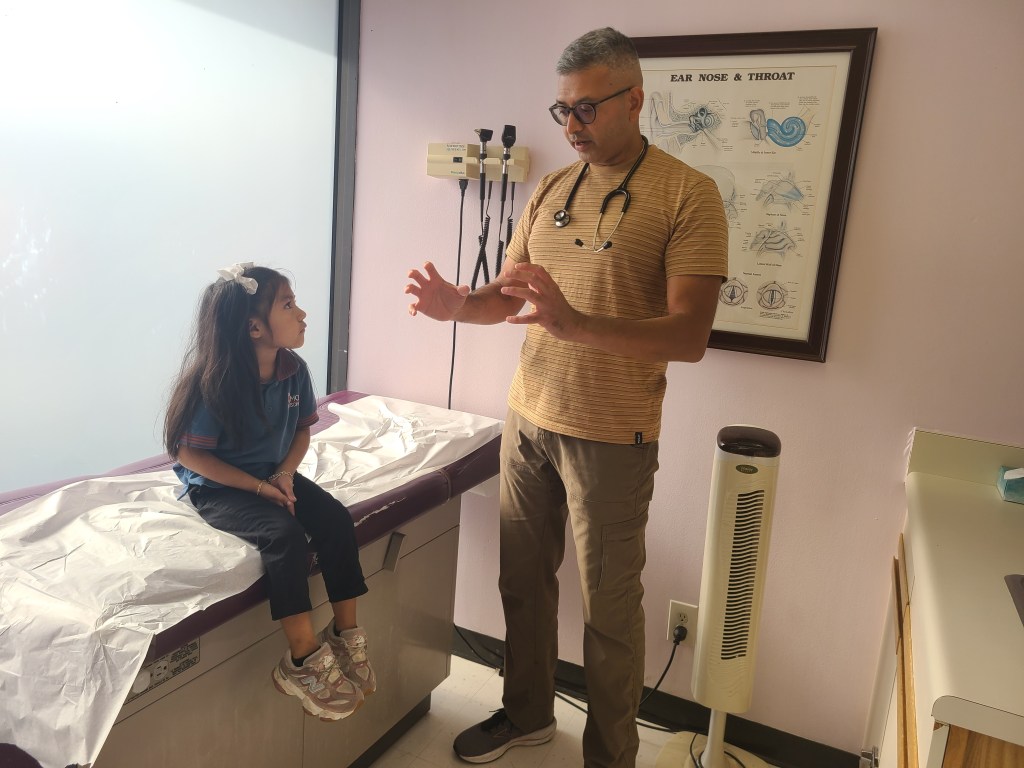
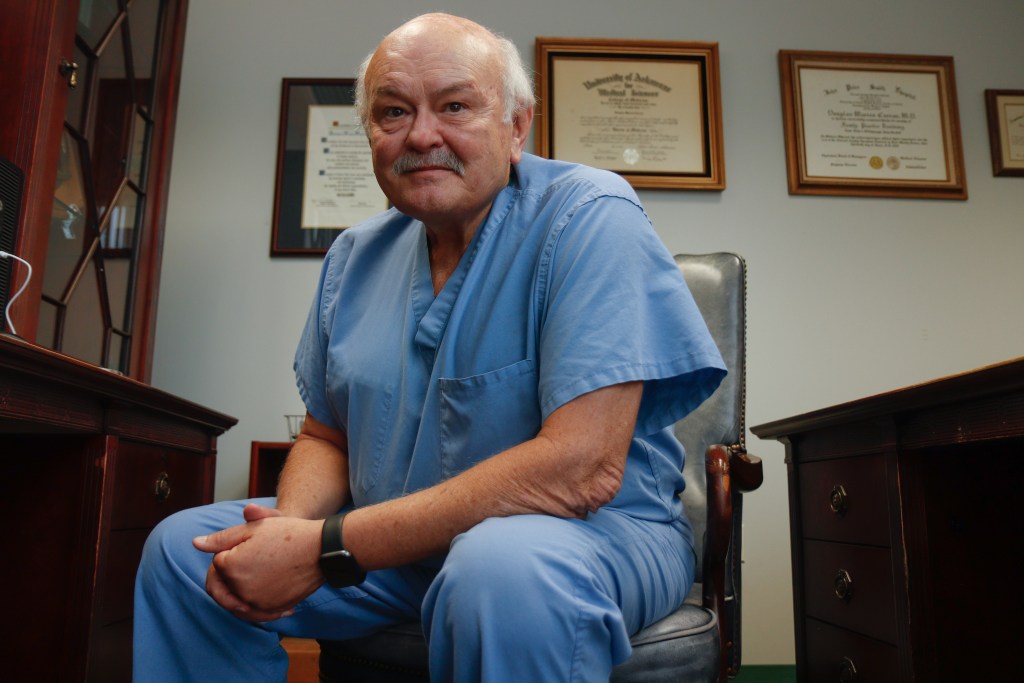
- In September 2022, we wrote about a free clinic in East Texas that was being overwhelmed with uninsured patients. This summer, the clinic finally received its official designation as a federally qualified health center, or FQHC, which will help secure its financial footing far into the future. Dr. Doug Curran, one of the clinic’s founders, said our story played a key role by exposing the health crisis in rural Texas and pushing policymakers to help the facility survive. “[Public Health Watch] recognized that this was a story worth telling,” Curran told us last week. “After that, politicians recognized it, too, and we were able to move [the FQHC application] along a lot quicker. … I can’t tell you how many times I’ve said, ‘Here, read this article.'”
I could give many more examples, but you get the idea. We facilitate high-impact local reporting — from Appalachia to Texas’s Rio Grande Valley and California’s Central Valley — that otherwise wouldn’t get done. As we begin our sixth year, we’re expanding operations in our home base of Austin and doing an increasing amount of work outside of Texas, in states like New Mexico and Arizona. We’re jump-starting excellent reporting in places like Indiana and North Carolina by handing out mini-grants that incentivize smaller news outlets to commit to stories they probably would have disregarded under normal circumstances — or may not have known about.
We’re thankful for the donors who’ve supported us and the readers and listeners who’ve shared and acted on our work. Look for a new season of “Fumed”; more town-hall meetings, like the three we’ve held in the Houston area, and other projects that reflect our commitment to journalism that changes and sometimes saves lives.