

The Smelter Debate
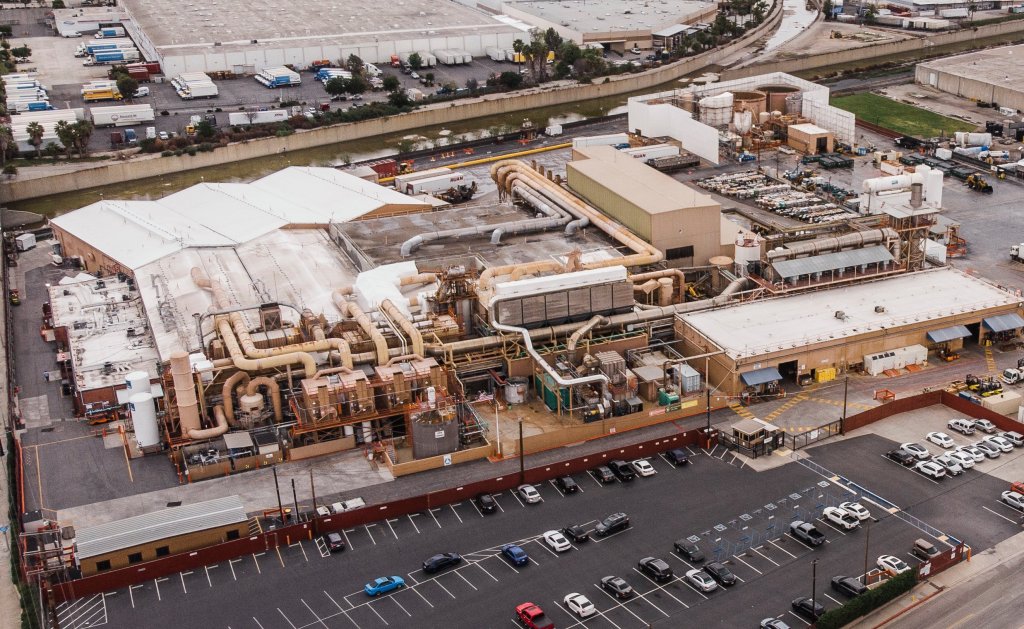
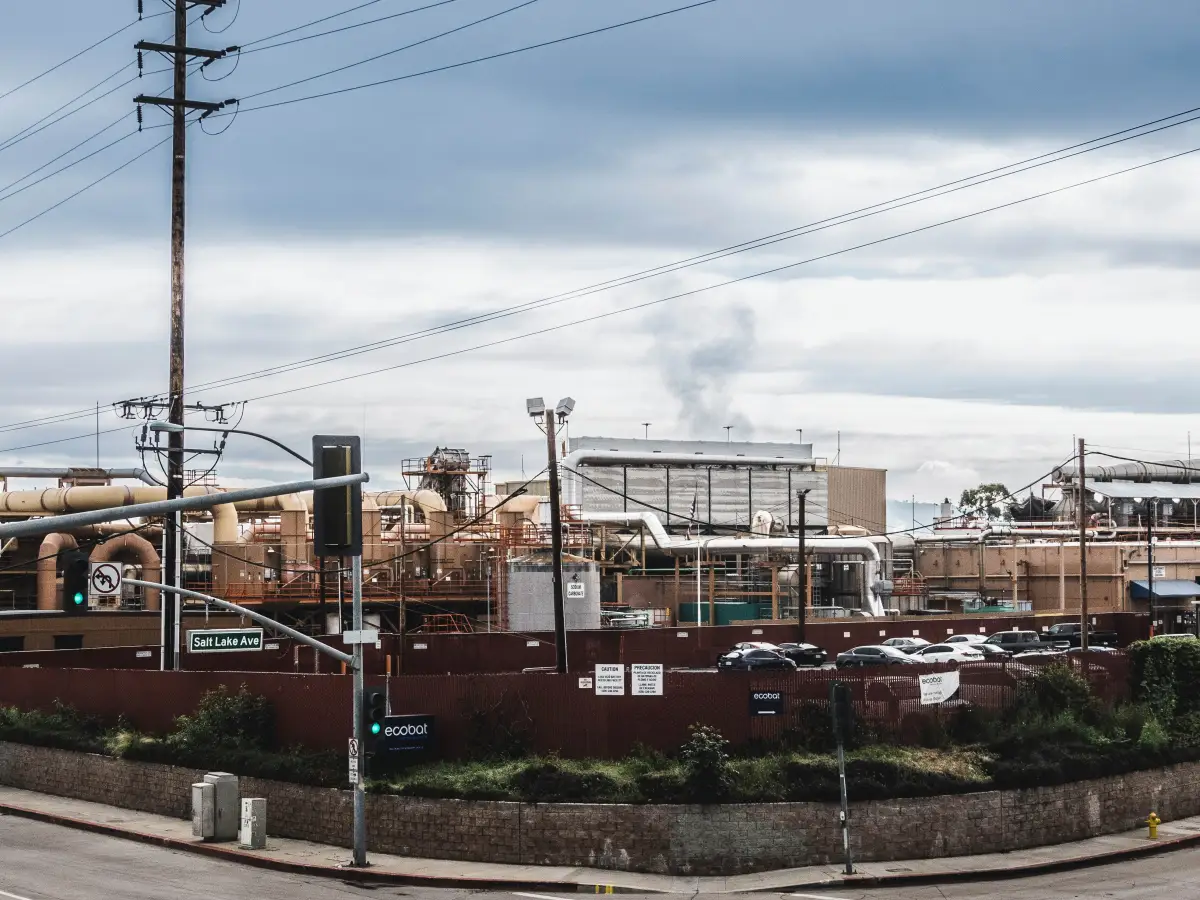
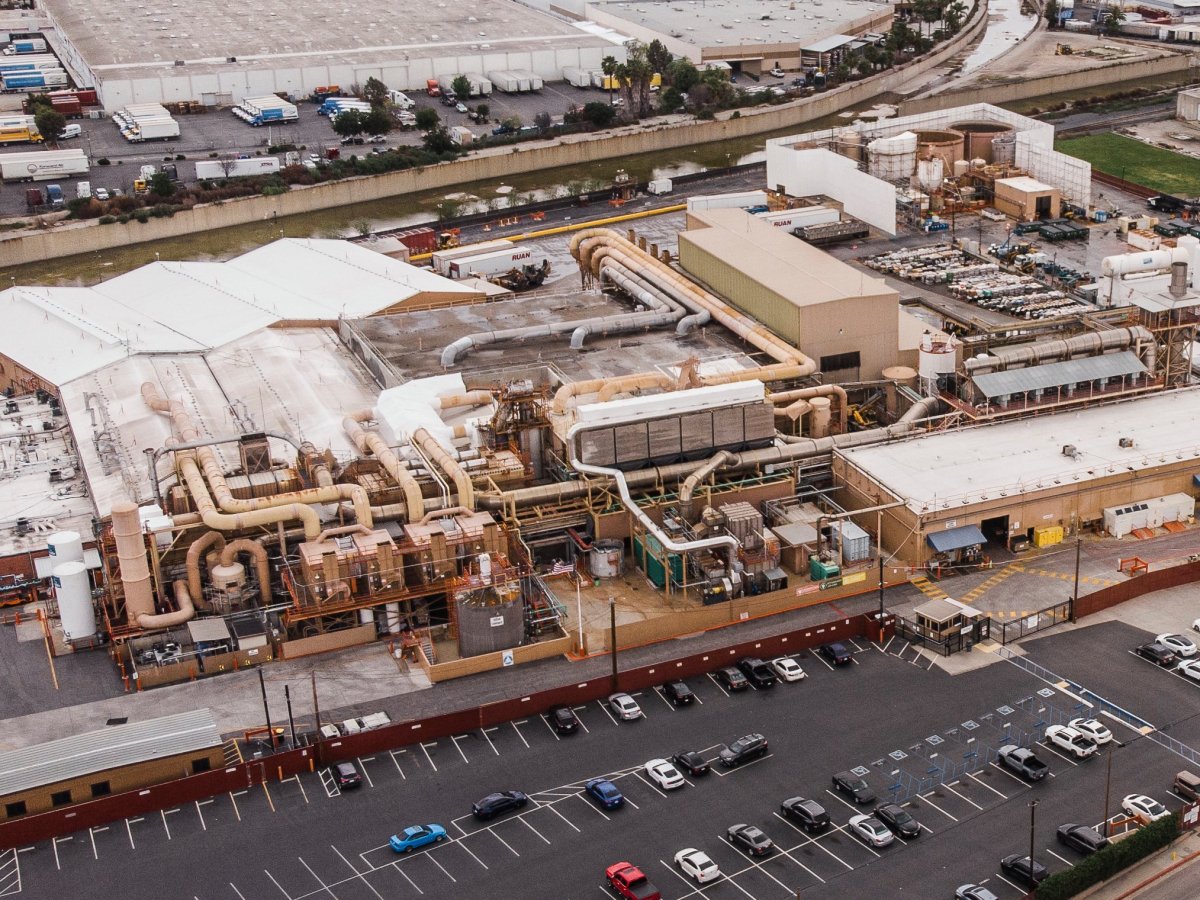
California regulators have invited public comment on a long-awaited draft permit for the state’s only lead battery recycling facility. Residents near the Ecobat smelter in Los Angeles County have complained for years about uneven regulatory oversight and legacy lead pollution at the plant. This series examines key aspects of the permit and the permitting process.
It’s a long-standing problem that hazardous waste handlers can walk away from their environmental responsibilities by going into bankruptcy.
The companies may fold or get a clean start, avoiding the costs of removing toxic waste because their remaining assets are divvied up among creditors. The public is left with paying to clean up a polluted site and maybe surrounding areas.
Even in California, where companies must guarantee they will pay for cleanup, the consequences of not spelling out those guarantees clearly can lead to huge public costs. One lead battery recycler in Los Angeles County left taxpayers with a likely billion-dollar cleanup.
State regulators, however, say they’re ready to protect the public from any financial risks from Ecobat’s lead battery smelter in the L.A. area — the only remaining one in the state.
The Department of Toxic Substances Control, or DTSC, proposed a draft permit that requires Ecobat to triple the amount of money it has on hand for environmental remediation should its facility close. As of now, Ecobat has an insurance certificate guaranteeing $8.3 million; the draft permit would raise that to more than $25 million. For other post-closure work — to maintain the site and test for spreading pollutants — Ecobat now guarantees about $550,000; that would increase to about $3 million. Both estimates are based on a third-party analysis reviewed by state experts.
Katie Butler, the deputy director for hazardous waste at the DTSC, says past experiences with other toxic waste handlers are informing Ecobat’s permit now.
“We’re going to err on the side of being more conservative because we’ve lived through cleanup sites that find the unexpected,” Butler said.
That especially includes a now-closed site that was run by battery recycler Exide Technologies — “a huge catalyst for the department to do things differently,” she said.
The Costs of Exide

By the time the city of Vernon was incorporated in 1905, the men who controlled the land had spent a decade starving orchards of water south of downtown Los Angeles and subdividing property there for industrial profit.
In this industrial magnet, a metal scrap, waste and battery recycling facility began to operate, taking up 24 acres along Indiana Avenue. For 93 years, the facility spewed lead and spilled chemicals into the soil, operating as a metal fabricator until the 1970s, then as a smelter. It had only temporary authorizations and permits from state regulators.
Georgia-based Exide took over the property in 2000, and over the next 15 years the facility racked up 58 hazardous waste-related violations, DTSC records show. Air regulators forced its operations to cease in 2014, using a local smelter rule that limits airborne lead and arsenic — the same rule Ecobat still follows. The DTSC then used its strongest enforcement tools and denied Exide an operating permit in 2015, and the facility closed.
To pay for post-closure cleanup, Exide had guaranteed only $11 million to the state in the form of a surety bond. But the company made promises totaling nearly $37 million for a wider lead cleanup, including $9 million for surrounding neighborhoods. (Exide had acknowledged that soil tests found elevated arsenic and lead beyond its property line.) Nobody thought it would be enough. Federal and state officials tried to push the company’s contribution higher, settling its legal liabilities at $50 million.
Then Exide went bankrupt and folded.
Cleanup around Exide has cost more than $750 million so far, the largest and most complicated in California history. In the end, the state collected just $29 million from the company; the public is paying the rest.
Financial Guarantees
California began asking for financial guarantees from toxic waste facilities in 1991. The guarantees can come in the form of a bond, a trust fund, a letter of credit, an insurance policy or a corporate guarantee.
California secures financial guarantees from every hazardous waste facility and, unlike some other states, verifies these guarantees exist and may demand the amounts be adjusted because of inflation or site upgrades. In Louisiana, for example, a 2019 audit found that more than half of that state’s hazardous waste facilities had provided no proof that they had the money to pay for cleanup when they closed, even facilities that had submitted cleanup plans years before.
But California also has 97 Superfund sites — more than six times as many as Louisiana — which adds pressure to lock in adequate guarantees. The state could soon gain one more. This month, the U.S. Environmental Protection Agency proposed adding Exide to the National Priorities List, because the facility sent trichloroethylene, or TCE, a known carcinogen, into the soil. The Vernon plant’s lead contamination, which has been the focus of cleanup so far, remains the state’s responsibility.
In 2015, when Exide closed, state lawmakers demanded an overhaul of the permitting process for hazardous waste facilities, seeking to protect communities. That overhaul is underway and includes financial guarantees.
When the public has to pay for cleaning up lead-based toxic waste, it takes longer than if the company pays for it.
That’s the conclusion of Tessa Davis, whose 2022 senior capstone project at Occidental College was a statistical analysis of such cleanups in California since 1973. Her work showed that when companies pay either voluntarily or because of regulation, cleanups on average are completed more quickly (and likely cheaper) — by at least a year — than when a company abandons the responsibility.
Davis recommended more oversight and more frequent checks on waste handlers. Lawmakers have taken steps in that direction: A recent state law now requires proof of financial responsibility before a permit can be issued, and the DTSC must re-evaluate a waste handler’s financial assurance plan every five years.
Ecobat’s Assurance
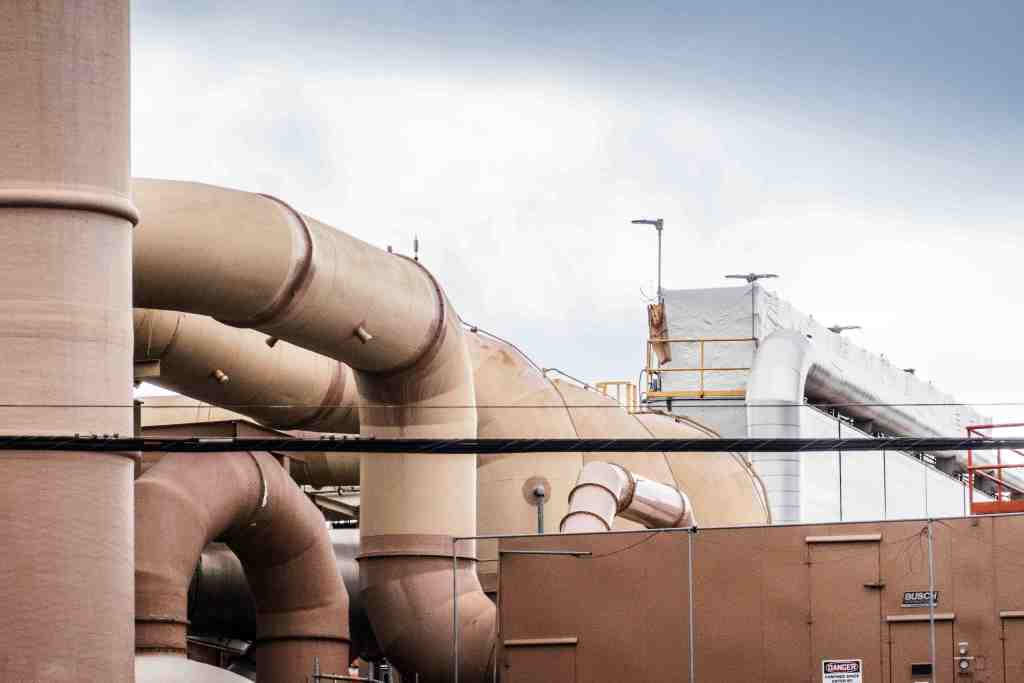
Even if Ecobat’s permit and the current guarantee are approved, the DTSC will likely have to update and enforce the company’s financial assurance. Last year the DTSC wrote Ecobat up for a financial assurance violation, pointing out that it had failed to keep pace with inflation with an insurance policy for closure costs that was half a million dollars light. The company fixed it, and the DTSC said all was well.
Current estimates of remediation costs if Ecobat closes cover just the property, but the company could be on the hook for cleanup beyond its perimeter.
In mid-July, the DTSC ordered expanded soil testing in surrounding neighborhoods, and the department’s Katie Butler said that regulators “do have authority to modify financial assurance at any point that we have the evidence to do so.
“The current operations are not going to leave a lasting environmental legacy,” she said. “But it’s difficult for us to know whether historic operations have impacted that site.”
Almost a decade after closing, Exide remains the ghost at the banquet — and some people who live near Ecobat say they’re still haunted.