



A weekly roundup of public health news
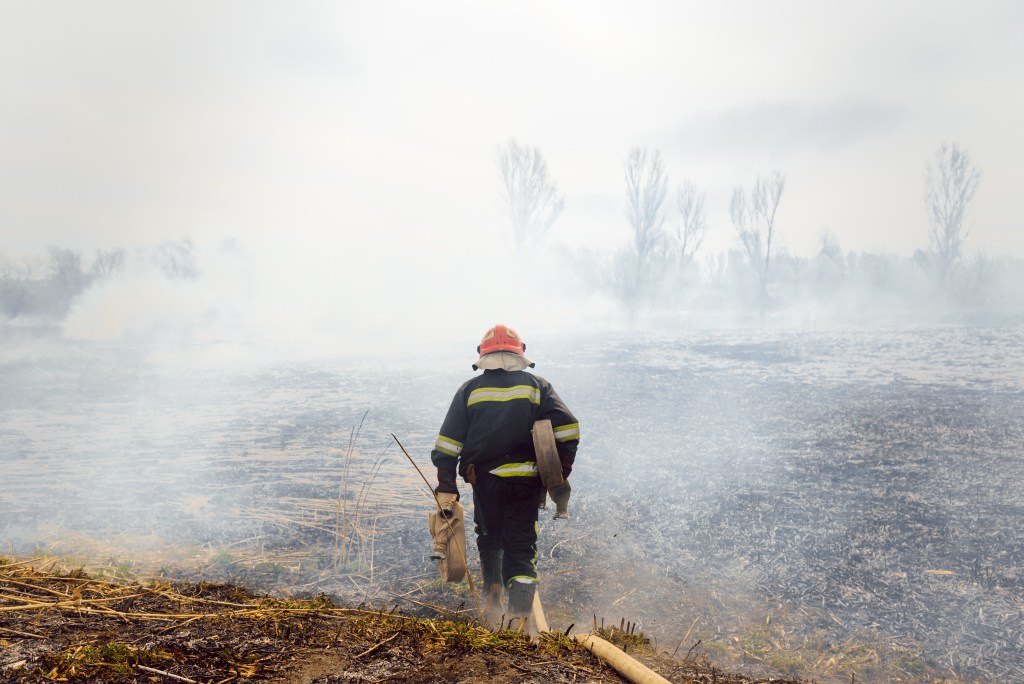
Wildfire smoke during pregnancy linked to autism
Children whose mothers were exposed to wildfire smoke late in pregnancy may be more likely to be diagnosed with autism, a new study finds.
The study, published in Environmental Science & Technology, followed nearly 205,000 children beginning at birth. Children whose mothers had more days of wildfire smoke exposure during their third trimester of pregnancy were more likely to receive an autism diagnosis by age 5, the study found.
The link was strongest among mothers exposed to more than 10 days of wildfire smoke during the last three months of pregnancy. Children of those women had a 23% higher risk of autism diagnoses compared with children whose mothers were not exposed during pregnancy.
Researchers also examined “wildfire waves,” defined as at least two days in a row of high levels of fine-particle pollution from wildfire smoke. Unlike most everyday air pollution, wildfire smoke often arrives in bursts that can last for days. Frequent occurrences of such waves, particularly during the third trimester, were also linked to higher autism risk.
Overall, about four times as many boys in the study were diagnosed with autism than girls. Mothers of children diagnosed with autism tended to be older and have higher rates of prepregnancy diabetes and obesity than mothers of children who were not diagnosed.
The study focused on California, which the researchers noted leads the nation in both wildfire activity and childhood autism diagnoses. They cautioned that the findings do not prove wildfire smoke causes autism, but instead add to evidence linking air pollution exposure with neurodevelopment.
Discarded cigarette butts shed microfibers in waterways
Cigarette butts release as many as 1.4 billion microfibers annually into New York state waters alone, making them an underrecognized source of microplastic contamination, a new study estimates.
The research, published in the Journal of Hazardous Materials: Plastics, found that cigarette filters begin shedding plastic fibers almost immediately when they come into contact with water. In laboratory experiments, researchers found that a single filter released about 24 microfibers within 20 seconds, regardless of whether the water was still or moving.
After 10 days in water, a single cigarette filter shed as many 144 microfibers, depending on water movement. Each filter contains more than 10,000 microfibers, allowing discarded cigarette butts to continue releasing plastic long after they enter the environment.
Cigarette filters are primarily made of cellulose acetate, a plastic-based material that breaks down slowly. Long recognized as the most common form of litter worldwide, discarded cigarette butts are often carried into storm drains, streams and other waterways, where their fibers can disperse.
Using New York as an example, the researchers calculated that cigarette filters could release 71 million to 1.4 billion cigarette butt microfibers each year into state waterways, with higher concentrations in densely populated areas.
Women hairdressers at higher risk for hysterectomy
Hairdressers face higher rates of hysterectomy and endometriosis than other women, according to a new study.
Published in Occupational and Environmental Medicine, the research found hysterectomies were more common among long-term hairdressers, particularly those who more frequently applied chemical treatments such as perms, chemical straighteners and permanent hair color. Hysterectomy is a common surgical procedure for a range of conditions, including sterilization, fibroids and heavy bleeding.
Endometriosis, a condition in which tissue similar to uterine lining grows outside the uterus and causes pain, was also more commonly diagnosed among women who had worked as hairdressers at some point in their careers. In addition, Black hairdressers were more likely to be diagnosed with fibroids than their peers who had never worked in the occupation.
Hairdressers are routinely exposed to a range of chemical products, including dyes, straightening agents and perm solutions. Many of the products contain compounds that are known carcinogens or endocrine disruptors, which can alter estrogen and progesterone levels and influence hormone-related conditions. Chemicals of concern for hairdressers include bisphenol A and formaldehyde.
Health advocates have called on the U.S. Food and Drug Administration in recent months to release its planned rule to ban formaldehyde in hair straightening products, noting the harms they pose to salon workers and other women who use them. FDA began work on a rule to address formaldehyde in the products in 2023 but has missed its deadline to take action by nearly two years, according to Weaving Voices for Health & Justice.
Other recent public health news of note:
• A new study finds that firefighters who responded to the Los Angeles wildfires experienced changes in proteins found in their blood. Sixty proteins, many linked to stress response, energy use and immune function, shifted after exposure, according to the study in the Journal of Occupational and Environmental Medicine. Some changes were connected to pathways involved in inflammation and cell growth. Researchers say the findings raise concerns about possible long-term health effects.
• Long-term exposure to air pollution may raise the risk of developing motor neuron diseases such as amyotrophic lateral sclerosis, also known as ALS. In a new study in JAMA Neurology, researchers found that people with higher lifetime air pollution exposure had as much as 30% higher odds of motor neuron disease than those with lower exposure. The study also found that people living in more polluted areas tended to have faster physical decline and higher risk of death after diagnosis.
• Chlorpyrifos, a once widely used pesticide, may shorten the lives of fish that live in waters contaminated with it, according to a new study in Science. Fish from lakes with long-term chlorpyrifos exposure showed faster biological signs of aging and had shorter lives than fish from cleaner waters. While chlorpyrifos has been banned for use on U.S. food crops since 2021, it is still commonly used on golf courses, trees and for other pest control.
The Watch is written by Michele Late, who has more than two decades of experience as a public health journalist.