


A weekly roundup of public health news

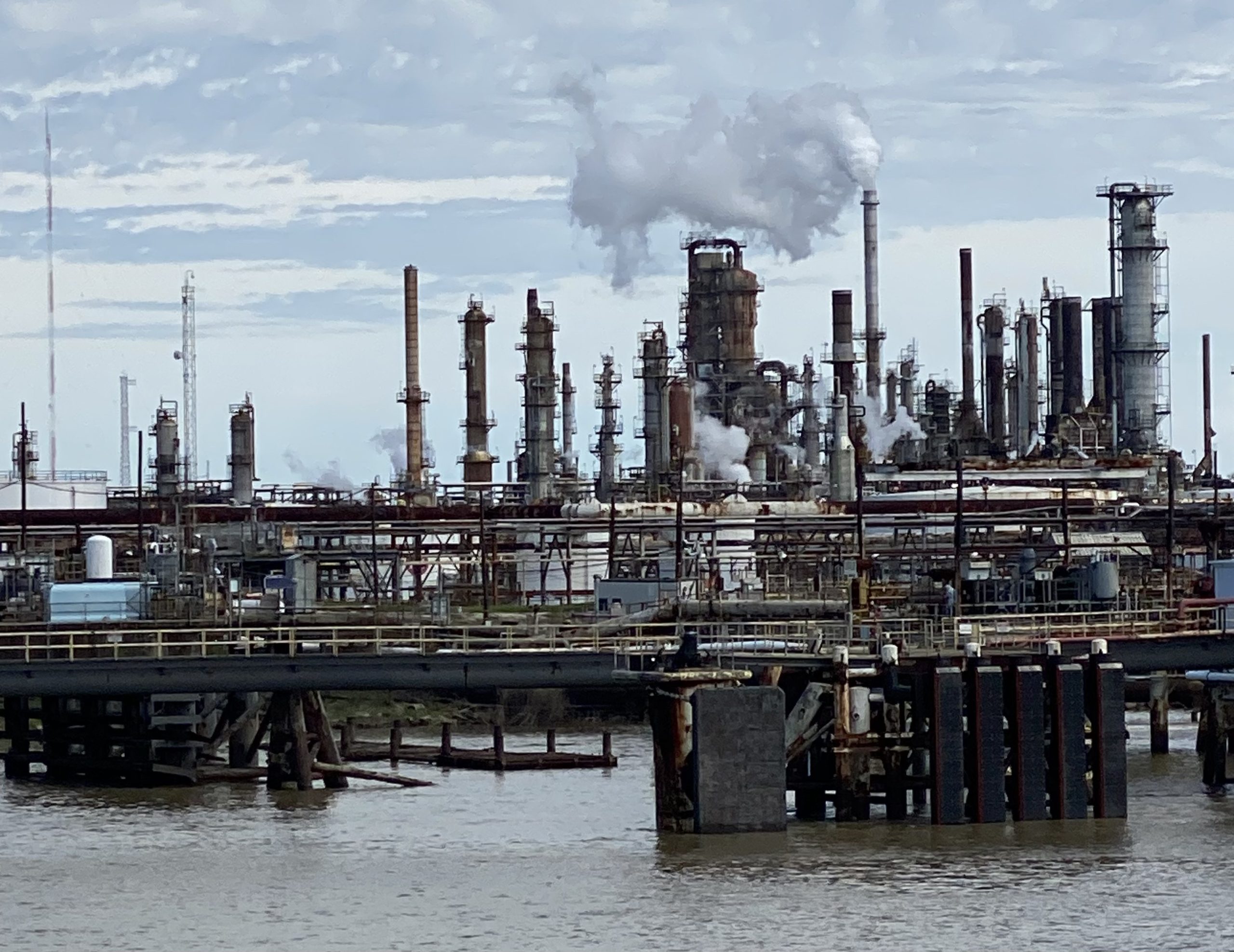
Power plant pollution soared in 2025
As the Trump administration loosens regulations on power plants, levels of hazardous air pollutants emitted by the industry are spiking, a recent examination finds.
Emissions data released by the Environmental Protection Agency last month for major U.S. coal, gas, oil and biomass power plants show their sulfur dioxide emissions rose more than 18% from 2024 to 2025, an analysis by the National Resources Defense Council shows. Carbon dioxide emissions also rose by nearly 4% percent and nitrogen oxide emissions by more than 7%. Each of the pollutants is harmful for human health, raising risks for asthma, heart disease, cancer and death.
The increase in pollution from the nation’s nearly 200 coal-fired power plants reached a more than two-decade high last year, the EPA data showed. Sulfur dioxide emissions from coal-fired plants alone rose more than 18% in 2025, though plant power generation only increased 11%. With no new facilities built, that gap means plants either failed to clean their emission-controlling equipment or did not use it, NRDC said.
Texas, which is home to a dozen coal-fired power plants, had the greatest upturn in emissions. Texas plants emitted nearly 21,000 additional short tons of sulfur dioxide pollution in 2025 — more than double than was emitted in Missouri, which was the second-ranked state. Other states with big surges in sulfur dioxide emissions included Kentucky, Arizona, Pennsylvania and Ohio.
The increases came as the Trump administration rolled back public health safeguards on air pollution and issued emission regulation exemptions for some coal-fired plants. Sulfur dioxide emissions at the 71 plants that received exemptions increased their sulfur dioxide 24% — twice the rate of other plants, NRDC said.
While decades of regulations had driven power plant-related emission levels down, those gains are now threatened.
In February alone, the Trump administration rolled back standards designed to protect Americans from mercury, fine-particle matter, arsenic and lead emissions from the power sector and put an end to standards that limit greenhouse gas emissions from new cars and trucks. The changes were widely condemned by public health organizations, which filed lawsuits to block them.
Warming temperatures could stress the mental health of Americans on billions of days
The mental health of Americans could worsen as the nation’s climate continues to change, according to a recent study.
Published in The Lancet Planetary Health, the study found climate change could add billions of days filled with symptoms of anxiety and depression among people in the contiguous U.S. alone.
Every additional degree of warming could cause one additional day with symptoms of anxiety or depression per person each year, researchers estimated. An increase of 2 to 11 degrees Fahrenheit could lead to as many as 1.8 billion additional days with anxiety symptoms annually, for example. Heat will be the main driver of worsening mental health outcomes.
The annual economic impact of the increased anxiety and depression symptoms could total as much as $104 billion nationwide, according to the study team, which included researchers from EPA and several universities.
While people across the U.S. would be affected, some residents and regions would suffer more. For example, low-income Americans could experience more than twice as many additional anxiety and depression symptom days per degree of warming compared with higher-income Americans.
Strong regional differences will also occur across the country. The largest increases in mental health difficulties are expected in Appalachia, the upper Midwest and parts of the lower Northeast. As Appalachia already has higher baseline levels of anxiety and depression compared with other parts of the U.S., the impacts of temperature increases could hit people in the region harder, the study said. Mental health will also worsen in parts of the Southeast, Northwest and Southwest at higher warming levels.
Extreme weather events related to climate change — such as heat waves, storms and wildfires — can trigger a range of mental health harms, including anxiety, depression and post-traumatic stress. After the 2023 wildfires in Maui, for example, people who lived within burn zones had a 53% higher risk of depression and 67% higher risk of anxiety, a March 11 study in JAMA Psychiatry found.
Americans with medical debt more likely to delay health care
Americans with medical debt are more likely to put off health care they need, even if they have insurance, a new study in the Journal of General Internal Medicine finds.
Researchers found that people with medical debt were far more likely to delay dental, medical and mental health care than those without debt. The most common type of health service skipped by Americans was dental care, which is often excluded from standard health insurance plans. About 42% of adults with medical debt delayed dental care, compared with 17% of those without.
In addition, 23% of people with debt postponed medical care and 14% delayed mental health care, compared with only about 5% of people who did not have medical debt.
More than 10% of the nearly 30,000 adults surveyed in 2023 reported medical debt in the previous year, defined as having trouble paying or being unable to pay medical bills. Rates were highest among uninsured adults, with near 20% reporting medical debt. About 13% of adults with Medicaid reported debt, compared with 9% of those with commercial insurance and 8% of those with Medicare.
About 20 million Americans are estimated to have medical debt, which is linked to poorer physical and mental health, higher risk of death and increased use of costly medical services that might have been avoided with preventive care, previous research has found.
Other recent public health news of note:
• Wildfire smoke waves are occurring closer together in California, leaving communities less time to recover between events, a new study in GeoHealth says. Researchers found the window of clean air between smoke episodes shrank more than 60% from 2006 to 2020, while smoke waves became about 85% more frequent. The biggest changes occurred in Southern California and the Central Valley. Areas with the sharpest declines in recovery time tended to have larger shares of Black, Hispanic and Asian residents, along with more lower-income households.
• States that rely more heavily on sales tax revenue tended to lift COVID-19 safety restrictions sooner, according to a study in Contemporary Accounting Research. Researchers found that states more dependent on sales taxes had shorter stay-at-home orders, restaurant closures and bar closures during the early pandemic.
The Watch is written by Michele Late, who has more than two decades of experience as a public health journalist.ades of experience as a public health journalist.