



A weekly roundup of public health news
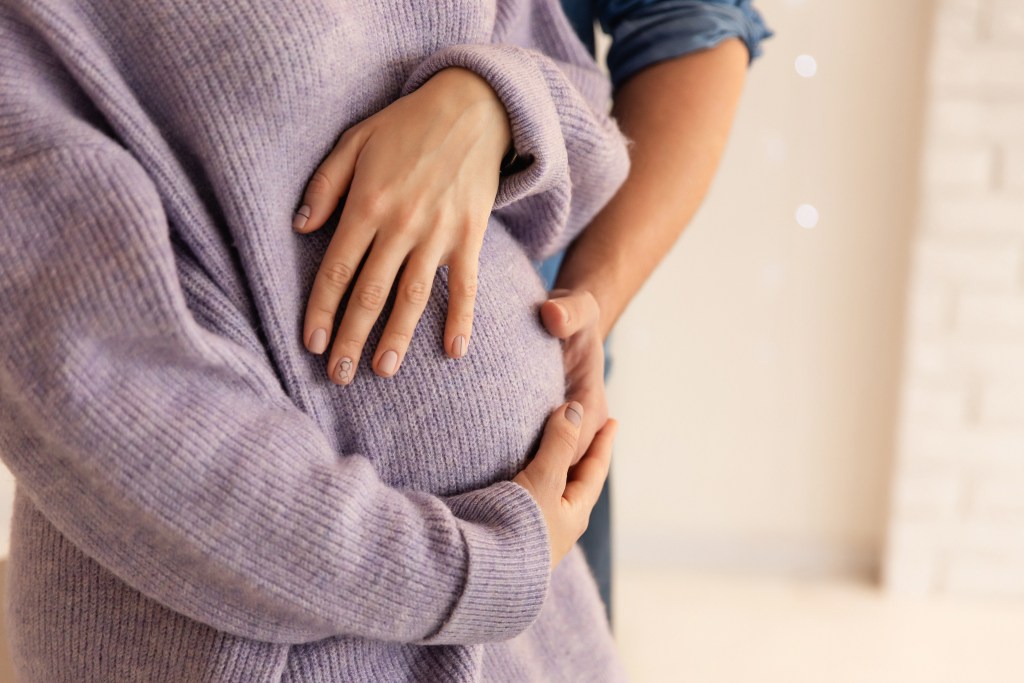
More women sought sterilization after fall of Roe v. Wade
The number of women who had tubal ligations — a type of surgery that permanently prevents pregnancy — jumped significantly following the U.S. Supreme Court decision that overturned Roe v. Wade, a new study finds.
Researchers examined records from academic medical centers in Florida, New York, Pennsylvania and Tennessee in the year following the June 2022 Dobbs v. Jackson Women’s Health Organization decision, finding tubal ligations increased 51% compared with the year before.
The study, published in Contraception, also found the women who received the sterilization procedure were younger than in previous years — with greater numbers of patients under age 30 — and were more likely to have never given birth.
Nearly half of patients surveyed during pre-consultations said their decisions were related to the current political climate, with fear over losing control of personal reproductive decision-making a main driver.
Procedures increased even in states without significant abortion restrictions. Monthly tubal ligations rose the most in New York — a state that protected abortion access — with a 128% increase after Dobbs, the study found. In Tennessee and Florida, where abortion laws were more restrictive, procedures rose about 71% and 33%, respectively. Pennsylvania saw a 28% increase.
Previous research has documented a shift in contraceptive decisions following the Dobbs decision, including an increase in vasectomies among young adult men and more demand for long-acting reversible contraceptives such as IUDs among women.
Where a child lives can influence their survival after surgery
U.S. children who live in disadvantaged neighborhoods are more likely to die after surgery, a new study in JAMA Network Open finds.
Researchers reviewed more than a decade of surgical records for children under 18, finding their risk of death was tied to their neighborhood conditions. Kids from the most disadvantaged areas had a 27% higher risk of dying after surgery compared with those from the most advantaged ones.
The study grouped neighborhoods by factors such as housing stability, access to healthy food, local environmental conditions and education levels. Even at high-volume hospitals — where surgical outcomes are typically better — disparities persisted between kids from advantaged and disadvantaged neighborhoods.
Researchers suggested ensuring timely access to preventive and post-operative care, reducing transportation and scheduling barriers, and addressing food and housing insecurity could help improve the health and survival of children in disadvantaged neighborhoods.
Fossil fuel emissions rise worldwide as health harms mount
Despite ongoing work to lower the world’s dangerous reliance on fossil fuels, carbon emissions from coal, oil and natural gas are projected to reach a new high this year.
New research from the Global Carbon Project estimates that 42 billion tons of carbon dioxide from fossil fuels will have been released around the globe in 2025 by this year’s end, representing a 1.1% increase.
Fossil-fuel related carbon emissions — which come from power plants, vehicles, industry and other sources — are projected to have increased 1.9% in the U.S., 1.4% in India and 0.4% in China this year. Natural gas is the leading contributor to the rise in emissions, followed by oil and coal.
At current rates of fossil fuel use, the world could exceed the 1.5 degree Celsius global warming threshold set by international climate agreements within seven years, the analysis said. Warming beyond that threshold sharply increases risks for deadly heat waves, extreme storms, sea-level rise and other major threats to health, particularly for vulnerable communities.
Fossil fuels harm the human body “from head to toe,” affecting every major organ system, according to a new report from Physicians for Social Responsibility and partners. The assessment, released Nov. 5, notes that pollutants from coal, oil and gas contribute to poorer health at every stage of life, from pregnancy complications and childhood asthma to cancer and premature death.
The findings come as world leaders — sans U.S. officials — meet in Brazil for the 30th U.N. Climate Change Conference, also known as COP 30. Discussions during the 11-day event are focused on emissions reductions, adaptation, country commitments and other measures designed to protect humans from the growing dangers of climate change. On Nov. 12, a dozen nations endorsed a new declaration aimed at combating climate disinformation and supporting evidence-based information.
Other recent public health news of note:
• Children who were exposed prenatally to the insecticide chlorpyrifos are more likely to have brain abnormalities and poorer motor skills, a new study in JAMA Neurology finds. While chlorpyrifos has been banned in the U.S. for nearly all household uses since 2000, it is still used in pest control baits, such as for ants and roaches, and in agriculture.
• Heat-related deaths in the U.S. have surged more than 50% over the past two decades, according to a new study in JAMA Network Open. Cold-related deaths also increased, though only by 7%. Older adults and women were more likely to die from the cold, while younger adults were more at risk from heat.
• Adults who spend years in poverty — even if they move in and out of it — are more likely to die early, new research in The Lancet Public Health finds. A related study shows that growing unsecured debt, such as credit card debt, may raise the risk of early death.
• Low-wage workers often struggle to access federal assistance programs, even when they qualify for them, according to a new report from the Brown School at Washington University. Researchers found such workers face heavy administrative burdens — the time and effort needed to apply for and keep benefits — for programs such as the Supplemental Nutrition Assistance Program and Medicaid. Low-wage workers may have trouble navigating confusing rules about their assets and deductions, making it hard for them to get the help they need.
The Watch is written by Michele Late, who has more than two decades of experience as a public health journalist.