


A weekly roundup of public health news
Millions of U.S. students attend school near oil, gas wells
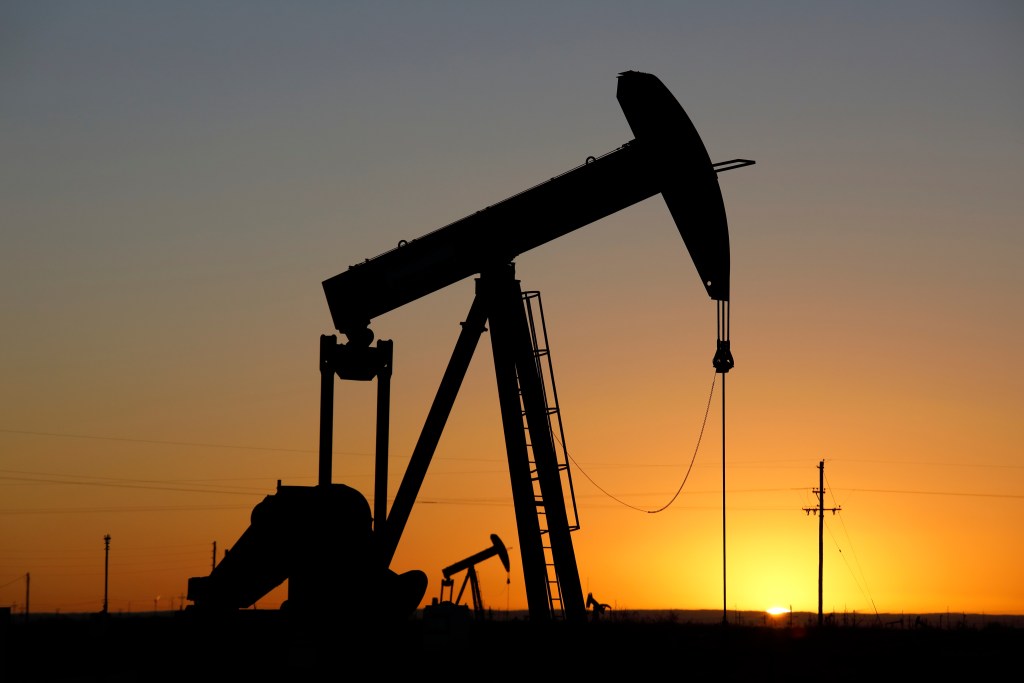
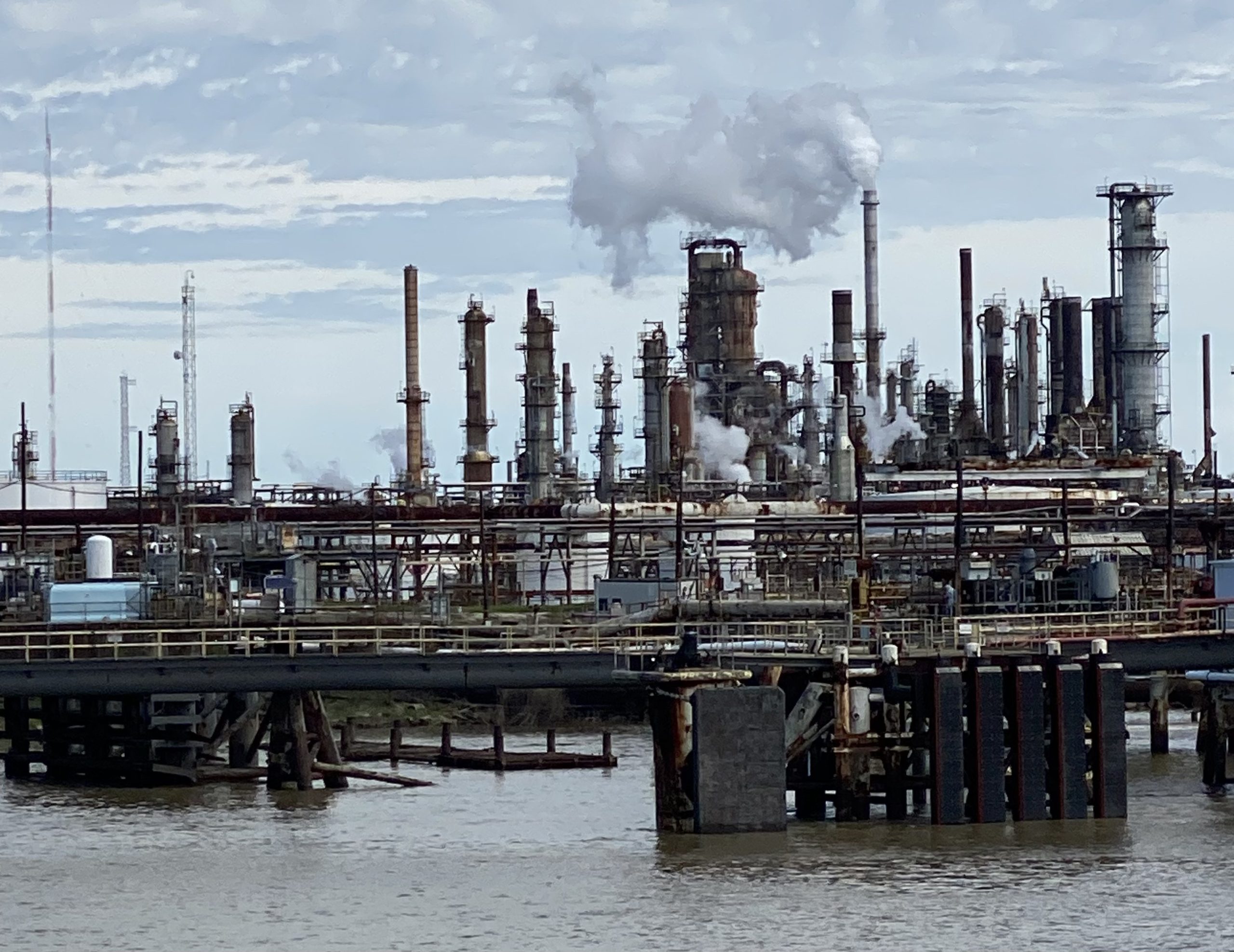
A third of U.S. public schools are located within six miles of oil and gas development, threatening the health of millions of students, a new study shows.
Published March 28 in the Journal of Exposure Science & Environmental Epidemiology, the research found more than 14 million students in kindergarten through 12th grade attended public schools near oil and gas facilities during the 2022-2023 school year.
Over 7,700 school campuses were within a mile of oil and gas wells, accounting for 3.6 million students. More than 1.7 million students attended schools located within about half a mile. Some schools were near multiple wells, increasing the potential for repeated or ongoing exposure.
Schools with a high share of low-income students were more likely to be located near oil and gas sites, particularly in rural areas. In rural areas, schools with a majority of Hispanic students were more likely to be located near wells.
Children can spend up to half their waking hours at school, researchers noted. Oil and gas development has been linked to health problems such as asthma, childhood cancer and birth defects, raising concerns about both immediate and long-term effects on the health of students, who may also be exposed while at home.
Oil and gas facilities can release pollutants into air and water, including fine particles and chemicals that disrupt hormones. Noise from drilling sites may also affect sleep, mental health and heart health.
Current safety measures, such as required distances between wells and buildings, vary widely by state and often do not apply to older or abandoned wells, which can continue to release pollutants for years, according to the study.
As of 2024, about 918,000 wells produced oil and natural gas in the U.S., according to the Energy Information Administration. Texas leads the nation with the most oil and gas wells, followed by Pennsylvania, Oklahoma and Kansas. About 18 million people in the U.S. are estimated to live near an oil or gas well.
Cancer warnings missing from most U.S. pesticide products despite known risks
Pesticide products sold on U.S. shelves often lack cancer warnings, even when federal regulators have identified potential risks from their ingredients, according to two new analyses.
Released March 30 by the Center for Food Safety and the Center for Biological Diversity, the analyses found that pesticides with ingredients linked to cancer remain widely available with little or no warning to consumers, despite federal oversight of labeling.
More than a third of pesticide chemicals evaluated by the Environmental Protection Agency since the 1980s have been classified as either “likely” or “possible” human carcinogens, the Center for Food Safety analysis found. But the agency has allowed products containing the ingredients to remain on the market, sometimes at levels far exceeding its own benchmark for acceptable cancer risk, researchers said.
Even when pesticide products contain ingredients EPA has identified as carcinogenic, cancer warnings are rare, an analysis of more than 93,000 pesticide product labels by the Center for Biological Diversity found. Among products with active ingredients classified by EPA as “likely” or “probable” carcinogens, fewer than 2% of nearly 5,000 labels included a cancer warning.
Even when warnings were present, labeling was inconsistent. Some products containing the same active ingredient included cancer warnings, while others did not, creating confusion for consumers and limiting their ability to assess risk.
Federal rules require pesticide labels to include information about health risks such as poisoning or skin irritation. But there is no standardized requirement to disclose long-term risks such as cancer.
In many cases, cancer warnings appear only because of California’s Proposition 65 law, which mandates disclosures for certain hazardous chemicals. Outside California, similar warnings are often absent, even for widely used pesticides applied to food crops, the findings showed.
EPA policy is intended to limit cancer risk from pesticide exposure to no more than one additional case per 1 million people. But risk estimates tied to some approved pesticides were far higher, including cases where exposure could lead to cancer in as many as seven in 1,000 people, according to the Center for Food Safety analysis.
The findings come as pesticide labeling faces scrutiny in Monsanto Company v. John L. Durnell, a Supreme Court case involving glyphosate-based products and cancer warnings to consumers.
U.S. health will suffer from weakened environmental health protections
The ongoing dismantling of U.S. environmental protections by the Trump administration poses a serious threat to the health of Americans, public health scientists warn.
In a March 25 paper in the New England Journal of Medicine, researchers from Harvard Medical School and Boston College said millions of Americans will suffer increased illness and deaths from respiratory and cardiovascular disease, cancer, silicosis, workplace heat illness and more because of federal actions taken since President Donald Trump took office last year.
The predictions come as the administration continues to repeal, freeze and undermine numerous regulations on air and water pollution, power plant emissions, motor vehicles, occupational safety and other issues.
Among its actions, the Trump administration has moved to loosen limits on fine-particle air pollution, known as PM2.5, despite evidence that even low levels increase risks of heart attacks, strokes and asthma. It has also sought to weaken emissions standards for oil and gas operations and eliminate the “Good Neighbor Plan,” which was designed to limit cross-state air pollution that contributes to smog and respiratory disease.
Restrictions on pollution from power plants are also being rolled back, including limits on greenhouse gases and hazardous pollutants such as mercury and arsenic. Increased exposure to the pollutants is linked to cancer, neurological damage and reproductive harm, while higher levels of particulate pollution contribute to cardiopulmonary disease and premature death.
On Feb. 12, EPA finalized its repeal of the 2009 federal finding that allows greenhouse gases to be regulated as pollutants. Plans to weaken methane monitoring requirements could further increase emissions. The changes are also expected to worsen climate change, raising risks of heat-related illness, respiratory disease and the spread of infectious diseases.
Other recent public health news of note:
• Exposure to agricultural pesticides is linked to a higher risk of cancer, according to a study published April 1 in Nature Health. Researchers examined real-world exposure and cancer cases in Peru, finding that people who lived in areas with the highest pesticide exposure had about a 150% higher risk of certain cancers. Indigenous and rural communities faced the highest exposure levels.
• Most Americans are concerned about science and health misinformation, according to a new Harris Poll released March 18. About 88% of respondents said they worried about false or misleading information, and 83% reported feeling angry when they encountered it. Eight in 10 blamed social media platforms for spreading misinformation, even as more than a third said they relied on social media as their main source of health information. Among young adults, more than half said social media was their primary source.
• About half of Medicaid enrollees could lose coverage if work requirements are expanded nationwide, according to a new study published March 28 in the Annals of Internal Medicine. Researchers estimated about 8.3 million adults would be at risk of disenrollment. Many of those would be people who have physical, cognitive or daily-living impairments and report poor health.
• Exposure to high temperatures during pregnancy may increase the risk of preterm birth, particularly during the second trimester, according to new research published March 30 in the American Journal of Epidemiology. Researchers analyzed nearly 1 million births in Japan, finding heat exposure between weeks 16 and 22 of pregnancy was linked to higher risk, peaking around week 19.
The Watch is written by Michele Late, who has more than two decades of experience as a public health journalist.