


A weekly roundup of public health news

Exposure to pollution in pregnancy can impact future generations
When pregnant women are exposed to industrial pollution, it can impact their family health for generations, a new study says.
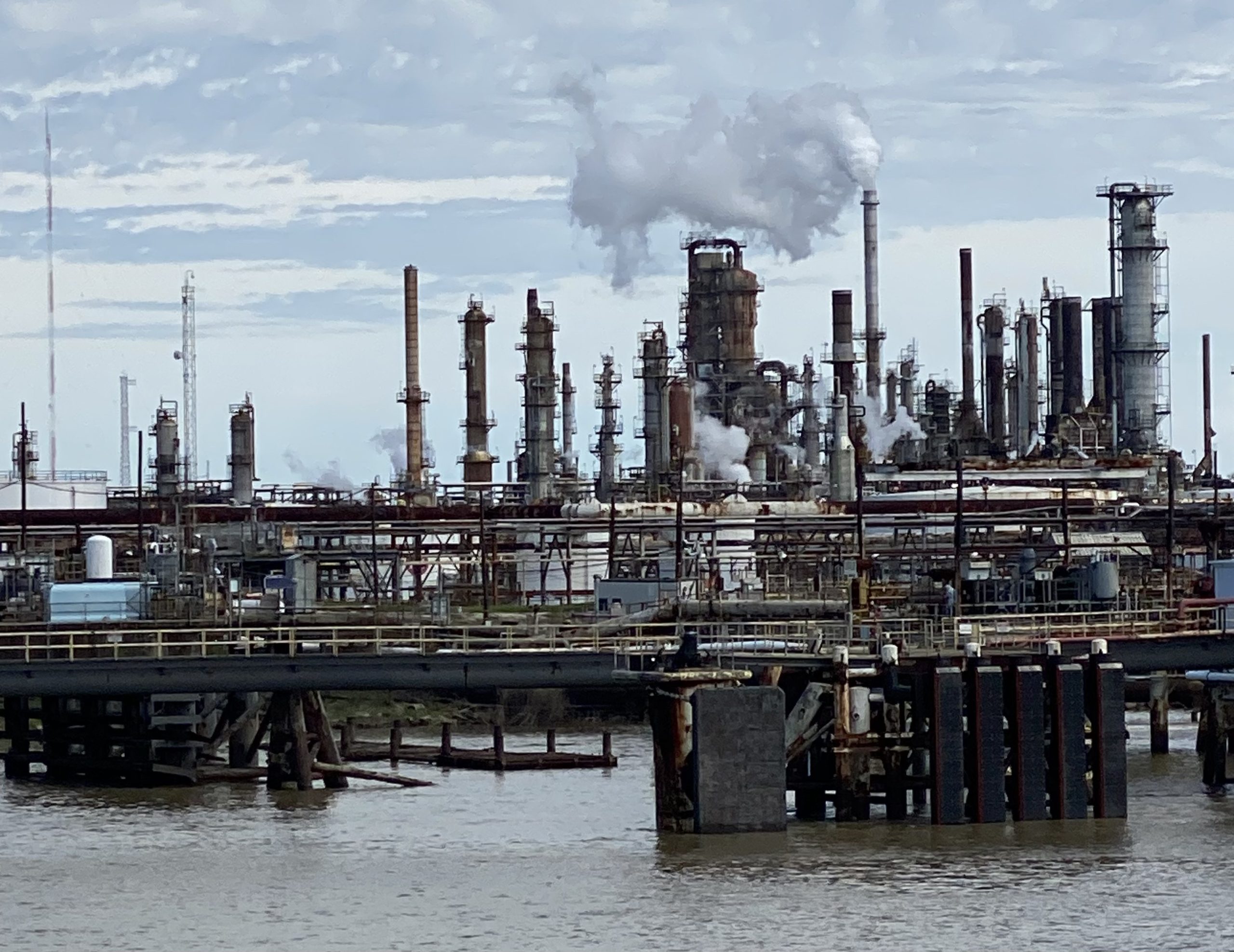
Researchers compared information on industrial sites in Utah with pregnancy and child health data, identifying a link to developmental disabilities. Specifically, children were more likely to have an intellectual disability if their grandmothers lived near industrial facilities while pregnant, according to the study, which was published in Science of the Total Environment. Risk was higher if their grandmother was exposed while pregnant with their mother, and if the grandmother lived near a high density of industrial facilities.
Like many states, Utah has a range of industrial facilities, including metal refineries, mining sites, steel fabricators, power plants and plastic manufacturers. Many of Utah’s facilities are clustered around Salt Lake City and Provo, some of the state’s largest cities, and along Route 15, a major highway that stretches the length of the state.
About 8 million people in the U.S. are estimated to have intellectual and developmental disabilities, which include cerebral palsy, autism and Down syndrome. While many people with such disabilities thrive, they can also face a range of elevated health risks.
Previous studies in animals such as mice and zebrafish have linked exposure to pesticides, plasticizers and other chemicals during pregnancy to problems with reproductive health, obesity and brain functioning across multiple generations — a concept known as intergenerational toxicity.
Firearm suicides spiking among older women
Older women in the U.S. are increasingly dying by firearm suicides, new research warns.
Firearms were involved in about 39% of the 1,850 suicides that occurred among senior women in 2023, an 11% increase from 2014, according to the study, which was published in JAMA Network Open.
Firearm purchases soared during the early years of the COVID-19 pandemic, which began in 2020, with women now accounting for nearly half of all new gun owners in the U.S. That greater access to guns may be playing a role in the increase in related suicides, study authors said. Previous research has found that women handgun owners are 35 times more likely than nonowners to kill themselves with a firearm.
Firearms are the leading means of suicide for adults 65 and older. Men still account for the majority of firearm suicide deaths — with more than 6,600 males ages 65 and older dying by that method in 2023 alone — but rates among men have remained flat, the new study found.
Firearm suicide rates among older adults varied by state, with the highest proportion in southern states. In Alabama, 93% of suicides among senior men involved a gun. States with stricter firearm laws had fewer gun-related suicides.
Factors that may influence suicide among older adults include chronic illness, pain, depression, stress, loneliness and financial concerns, researchers said. They called for better access to mental health care for older adults, especially in states with high firearm ownership.
Gains in life expectancy have slowed
Thanks to public health measures such as vaccines and sanitation, life expectancy jumped dramatically in the first half of the 20th century. But those increases have since slowed significantly, a new study in the Proceedings of the National Academy of Sciences finds.
Researchers looked at life expectancy gains from 1900 to 2000 in two dozen high-income countries, including the U.S., finding they decelerated by as much as 52% after 1939. From 1900 to 1938, life expectancy rose by about 5.5 months with each new generation, but after 1939, that increase slowed to as much as 3.5 months per generation.
The difference means most people born in 1939 or later are unlikely to reach 100 years of age, study researchers predicted.
The rapid increase in life expectancy at the start of the 20th century generally boosted survival among infants, researchers noted. Without additional major advances to improve longevity, rates are unlikely to speed up again, they said. Previous research has also linked decreases in life expectancy to modern health challenges such as obesity, climate change and substance use.
While life expectancy gains are slowing in all the countries examined in the study, the U.S. has experienced a sharper decline and a slower rebound in life expectancy in recent years than peer nations, research released earlier this year found. As of 2023, the average life expectancy in the U.S. was 78.4 years.
Other recent public health news of note includes:
• Mississippi has named infant mortality a public health crisis. Following a significant rise in infant deaths in the state, the Mississippi State Department of Health declared a public health emergency on Aug. 21. Infant deaths among Black mothers in Mississippi increased nearly 24% in a single year.
• Children who live in disadvantaged neighborhoods are as much as 20 times more likely to be hospitalized for a gun injury, a new study in Pediatrics finds. Unintentional shootings were the leading cause of the injuries, making up 63% of all related hospitalizations.
• Stroke risk in the U.S. is highest for Native Hawaiian and Pacific Islander people. New research in Neurology says stroke rates in the population are more three times higher than that of white Americans and twice as high as Black Americans.
• Anxiety and depression are common among people who are displaced by natural disasters, according to new findings in JAMA Network Open. People who were displaced for longer periods were more likely to experience mental health issues, as were people with disabilities and low incomes or education.
• Extreme heat poses a high risk of illness and death to older adults, but they are often unprepared for it, a new review in PLOS Climate finds. Researchers examined more than 40 studies, noting awareness of heat risks seemed low among older adults and caregivers.
• A new study in Toxicological Sciences finds chemicals that are being used to replace bisphenol A in food packaging can induce potentially harmful changes in human ovarian cells. BPA, which has been linked to hormone disruption, was once used widely in food packaging. Researchers found some substitute chemicals can leach from wrappings into food.
• Deforestation in tropical areas is contributing to local heat-related deaths, says a study in Nature Climate Change. Tropical deforestation such as logging and farming is exposing over 300 million people to higher temperatures and is linked with 28,000 annual deaths from heat, researchers said.
The Watch is written by Michele Late, who has more than two decades of experience as a public health journalist.