

A weekly roundup of public health news
Climate change threatens nutrients in leafy vegetables, grains
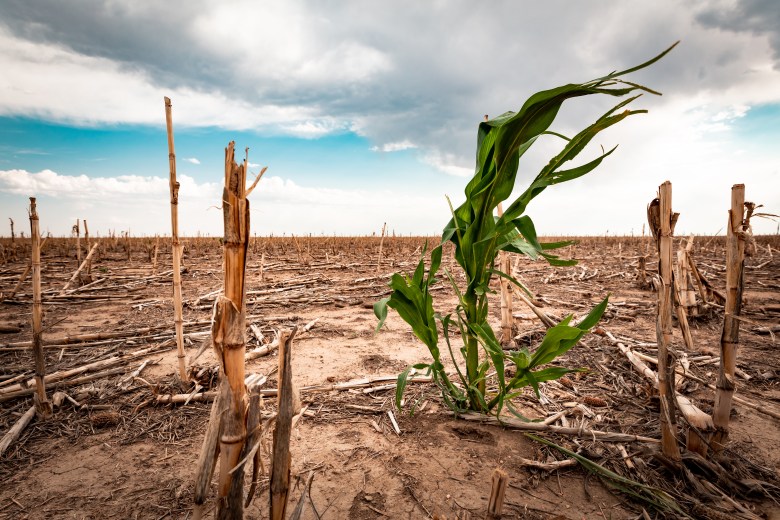
Food crops grown in the U.S. and around the world may become less nutritious as climate continues to change, new findings show.
Researchers examined the impacts of atmospheric carbon dioxide and heat — both of which are rising with human-caused climate change — on popular leafy vegetables, including kale, arugula and spinach.
They found that when the plants were exposed to higher levels of CO2, they grew faster and became bigger but had lower levels of key minerals such as calcium and antioxidant compounds. When the plants were exposed to both higher CO2 and temperatures, the negative effects intensified, according to the study, which was presented during the Society for Experimental Biology’s Annual Conference on July 8.
High levels of CO2 can harm plants by interfering with photosynthesis and other natural growth processes. It can also increase sugar and starch concentrations in crops, potentially contributing to obesity and Type 2 diabetes in people who consume them, the researchers said. Previous research has shown higher CO2 levels can also lessen protein and nutrient levels in staple crops such as wheat, rice and barley.
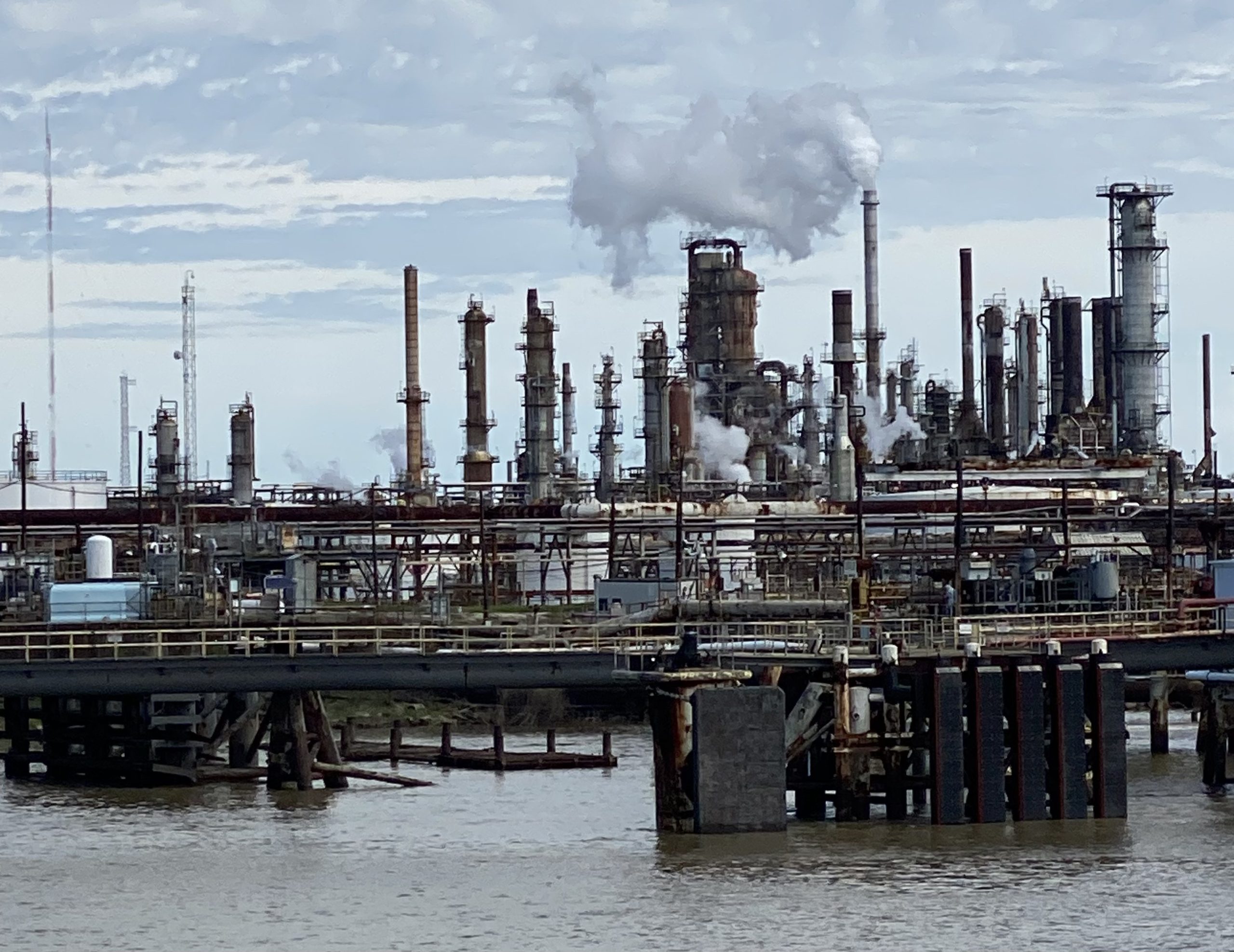
CO2, a greenhouse gas emitted by vehicles, coal-fired power plants and other fossil fuel-burning sources, is increasing in the atmosphere. While the Earth’s atmospheric CO2 levels averaged less than 200 parts per million in the pre-industrial era, they have increased to more than 425 parts per million today, thanks to human activities, and are expected to top 550 parts per million by 2050.

U.S. toddlers exposed to wide range of chemicals
Young children in the U.S. are regularly exposed to a range of potentially harmful chemicals, some of which are not adequately monitored, new research says.
Published July 1 in Environmental Science & Technology, the study found more than 90% of children were routinely in contact with about three dozen chemicals, and half were exposed to about 50 chemicals.
Researchers tested urine samples from children ages 2 to 4 for more than 100 chemicals, including pesticides, flame retardants, antibacterial agents and plasticizers. The chemicals — some of which may interfere with hormones, brain development and immune functions — are present in numerous products that U.S. children commonly come into contact with, such as toys, furniture, lotions and food packaging.
Among other findings, researchers found chemical levels were often higher in younger children, and that first-born children had significantly lower chemical levels than their younger siblings. Children of color were more likely to have higher levels of parabens, which are commonly found in cosmetics, lotions and shampoos.
Because young children often play close to floors and put their hands and other items in their mouths, they are more vulnerable to chemical exposures. Their smaller size and developing bodies also put them at higher risk for harm from the substances.
Researchers said the findings are especially concerning given that some of the chemicals are not tracked in national monitoring, such as through the Centers for Disease Control and Prevention’s National Health and Nutrition Examination Survey, which assesses the health of U.S. adults and children.
People of color dying from higher heat
While Americans of all races and ethnicities are increasingly dying from heat, people of color may be more vulnerable, according to a new study in Public Health Reports.
The study, which looked at more than 20 years of data, found that as climate change causes temperatures to rise and triggers more heat waves, death rates are differing by population group.
More than 21,500 people in the U.S. died of heat-related causes from 1999 to 2023, previous research has found, with especially significant increases in recent years. But past studies have not broken down those increases by population group.
From 2019 to 2023, the new study shows, heat-related death rates rose more for both Hispanic and Black Americans than they did for white Americans. Asian American and Pacific Islander people also saw significant increases during roughly the same period. But the most pronounced increase in heat-related deaths was among American Indian and Alaska Native people, who experienced a 28% average annual increase from 2018 to 2023.
Residential segregation, geographic location, lower access to cooling centers, occupational exposure and higher rates of chronic disease may be contributing to heat-related deaths among minority populations, researchers suggested.

Other recent public health news of note includes:
• Poverty can play a role in cancer, a new study in PLOS One finds. Researchers found five common types of cancer — lung, stomach, colorectal, liver and breast — occurred more often in communities with low employment rates or incomes.
• While drinking water systems usually treat one contaminant at a time, tackling them all simultaneously may have greater impacts on health, says new research from the Environmental Working Group. The study, published in Environmental Research, estimates that addressing arsenic, chromium-6 and other pollutants all at once could prevent more than 50,000 lifetime cancer cases in the U.S.
• New research in Science Advances says lead exposure in utero and early in life may cause lasting harm to memory in children. Researchers found kids ages 6 to 8 were more likely to forget things faster if they were exposed to lead early in development.
• Children exposed to higher levels of triclosan — an antimicrobial commonly found in soap, toothpaste and cosmetics — may be more likely to develop eczema and allergy symptoms such as hay fever. Young boys are most affected, according to a study in Environmental Health Perspectives.
• New findings in JAMA Network Open show people living in disadvantaged neighborhoods fare worse after a heart attack than those in other areas, even if they all have access to universal health care. Patients in the poorer neighborhoods had higher rates of death, hospitalization and heart attack recurrence and lower use of care.
• Ships can release high methane emissions when moving through ports and other shallow water, according to recent research in Communications Earth & Environment. Shipping lanes had 20 times higher methane emissions than nearby undisturbed areas, with cruise and container ships triggering the most frequent and largest methane releases.
The Watch is written by Michele Late, who has more than two decades of experience as a public health journalist.