
FUMED
An investigative podcast about the people who live in the shadows
of America’s chemical plants and oil refineries.

This season, two stubborn Texans are trying to salvage what’s left of their working-class community. That’s a problem, though, because they live in East Harris County, where the petrochemical industry calls the shots — and where pushing back can be dangerous.
EPISODES
Our partners:


Listen to Fumed on Apple, Spotify, YouTube and anywhere you get your podcasts.
Episode 1: River on Fire
March 7, 2025
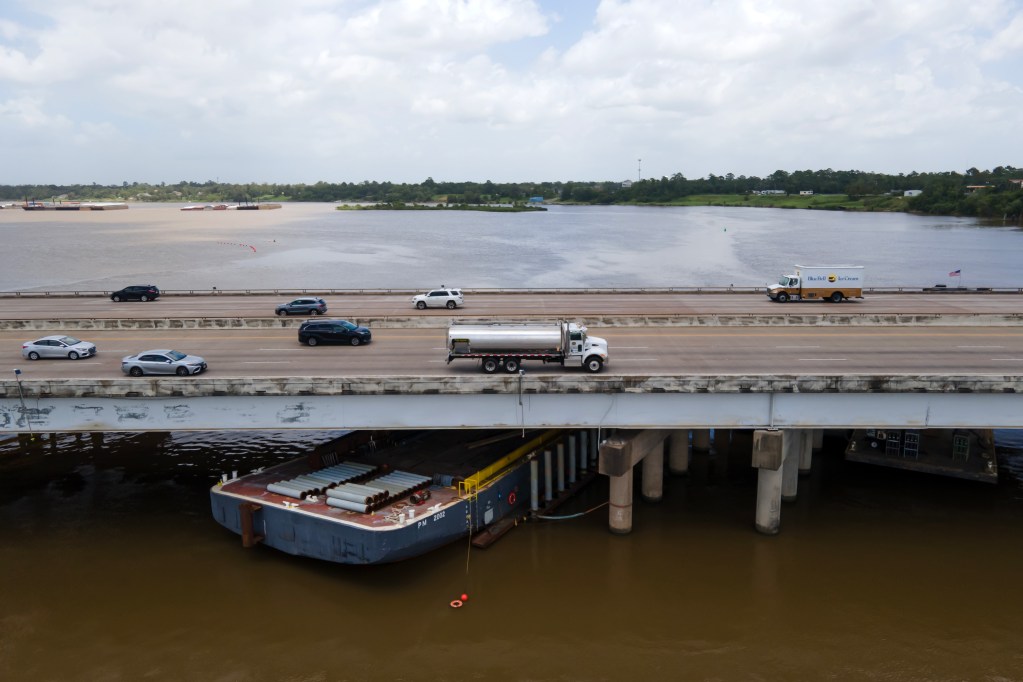
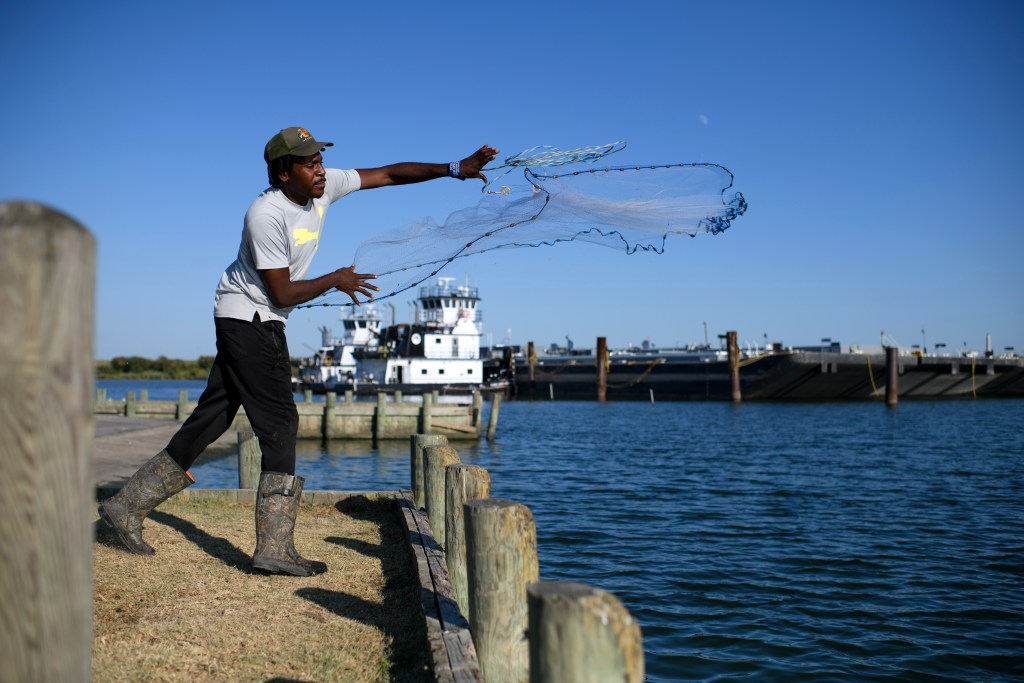
It’s the 1980s. Carolyn Stone and Greg Moss have settled into quiet lives in Channelview — an unincorporated community outside Houston, in the heart of the nation’s petrochemical industry. But within a few years, petrochemical plants and chemical barges move in, and air pollution and industrial accidents become routine. When they realize that state lawmakers and regulators aren’t going to protect them, Carolyn and Greg start fighting back themselves.
Episode 2: Birth of the Activists
March 14, 2025
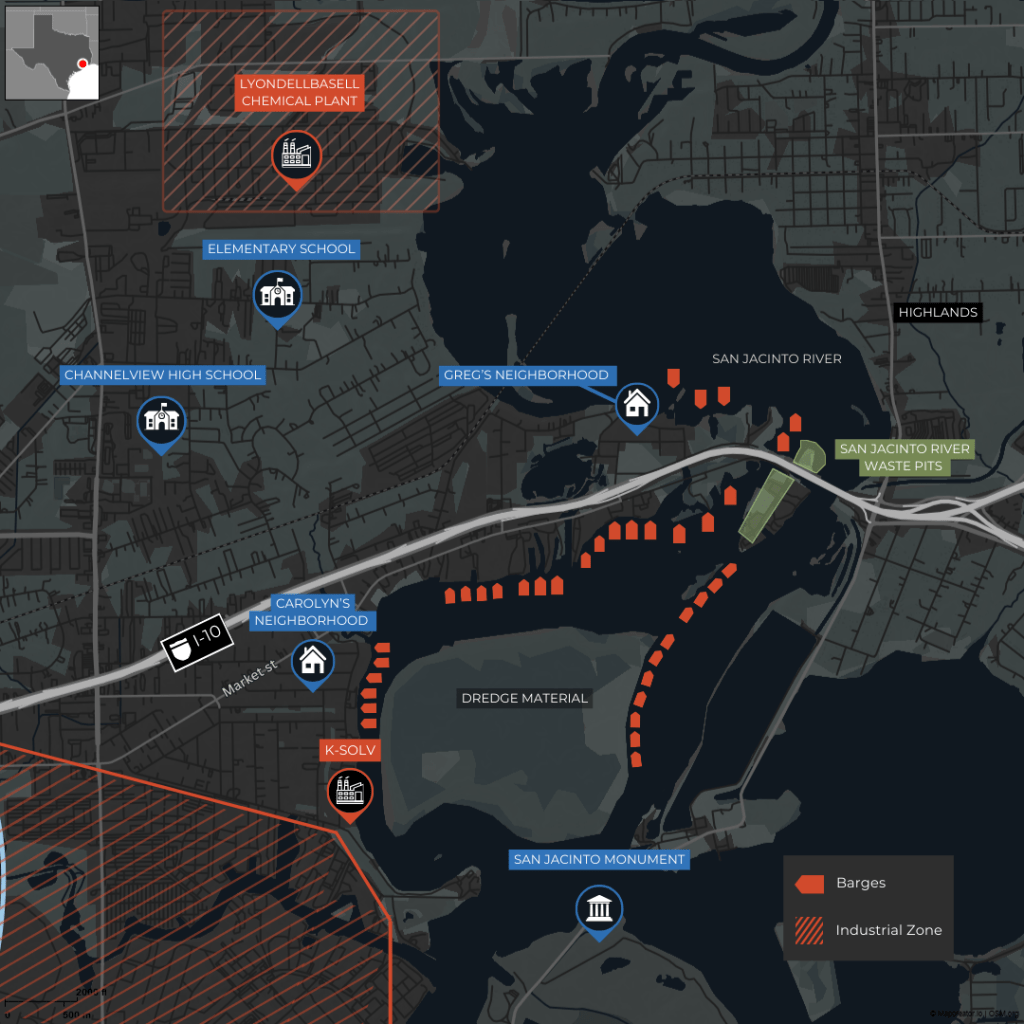
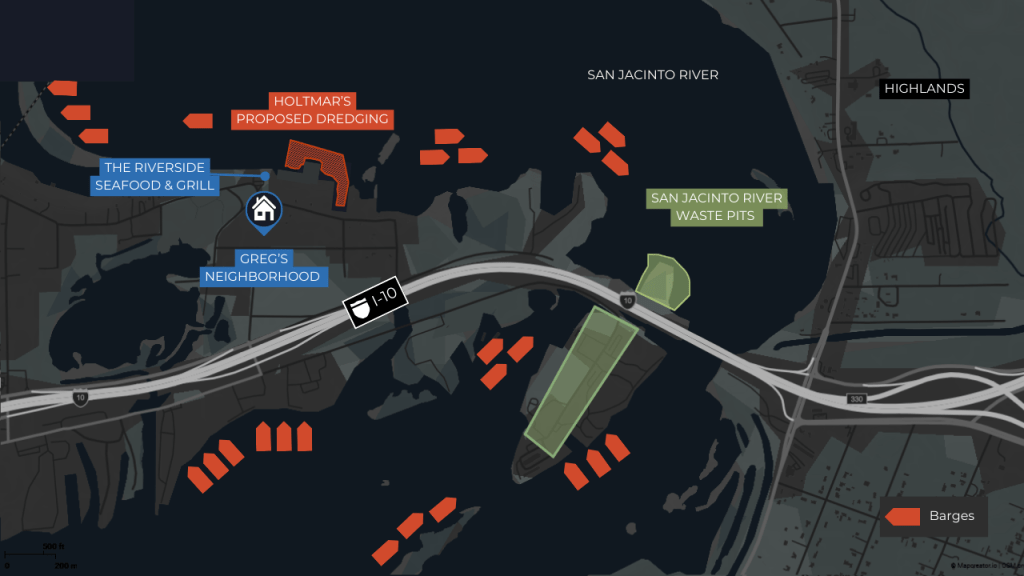
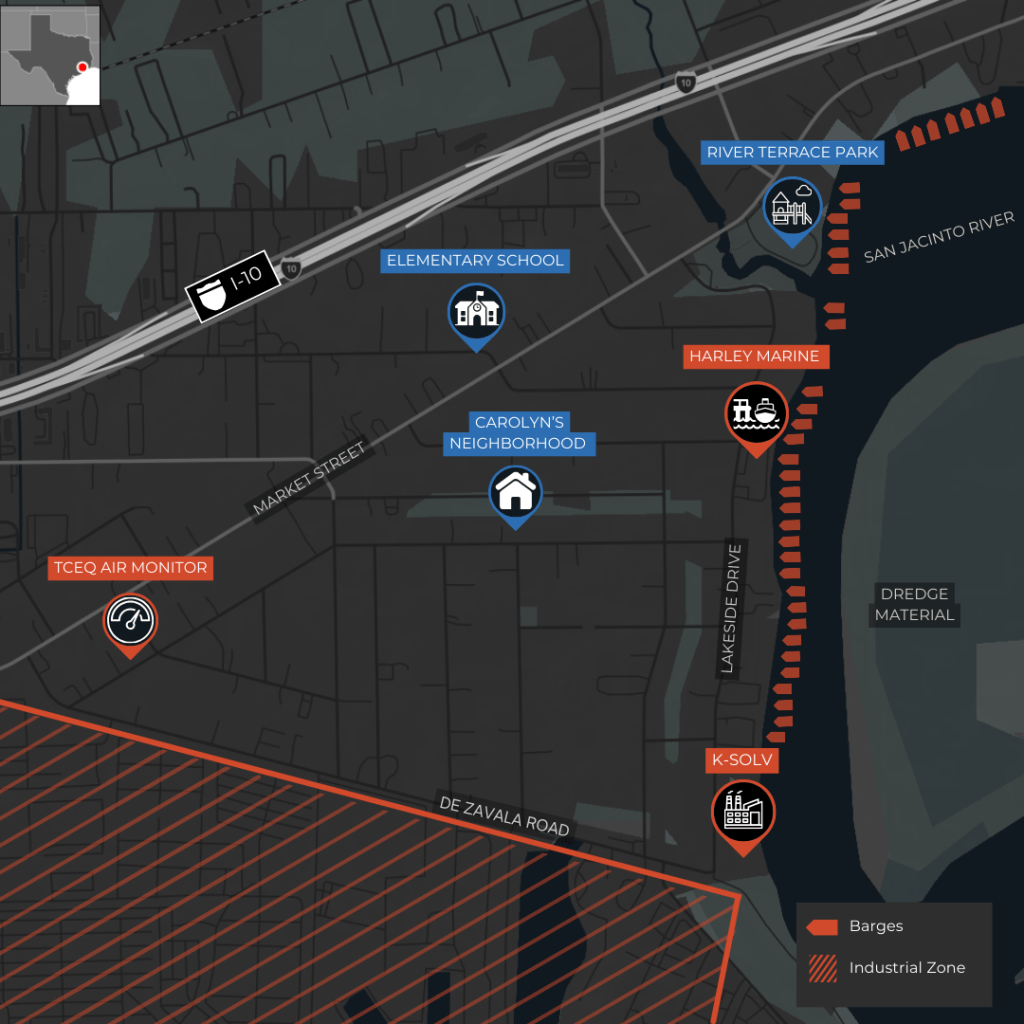
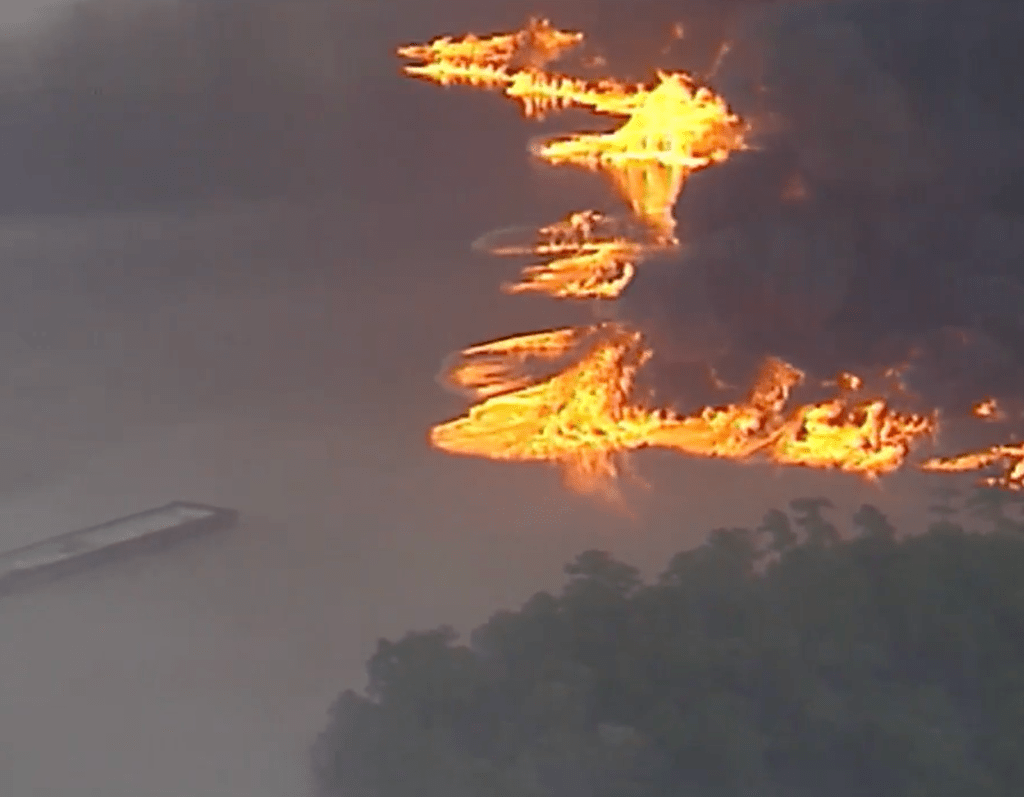
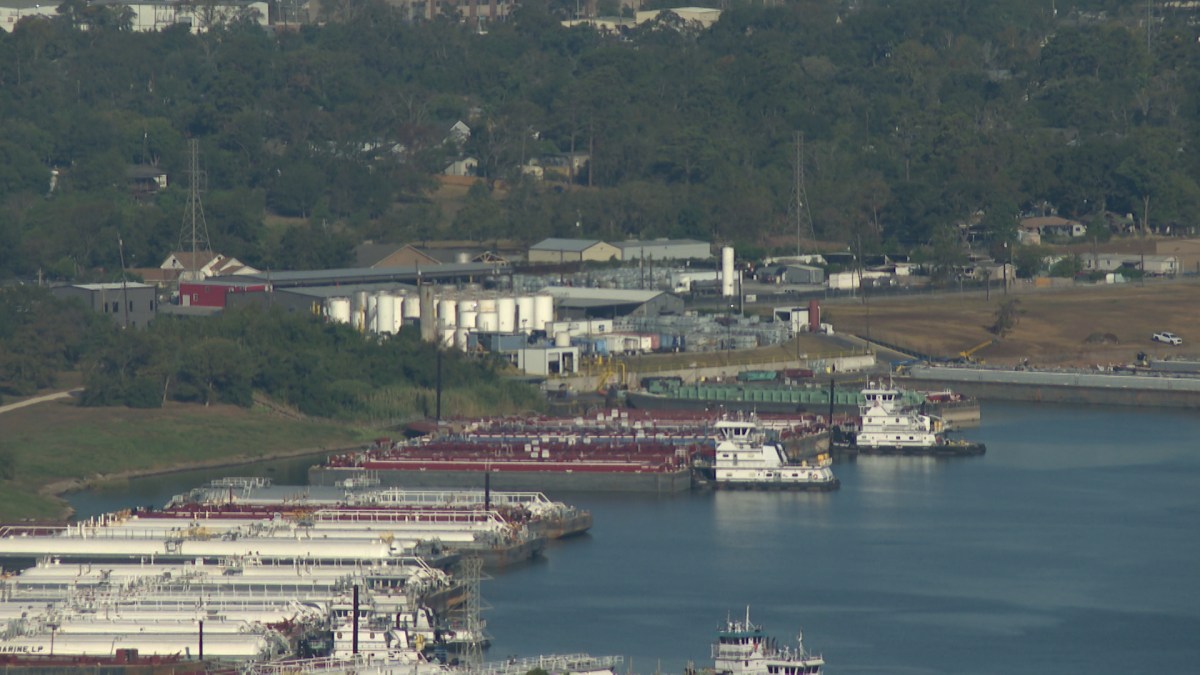
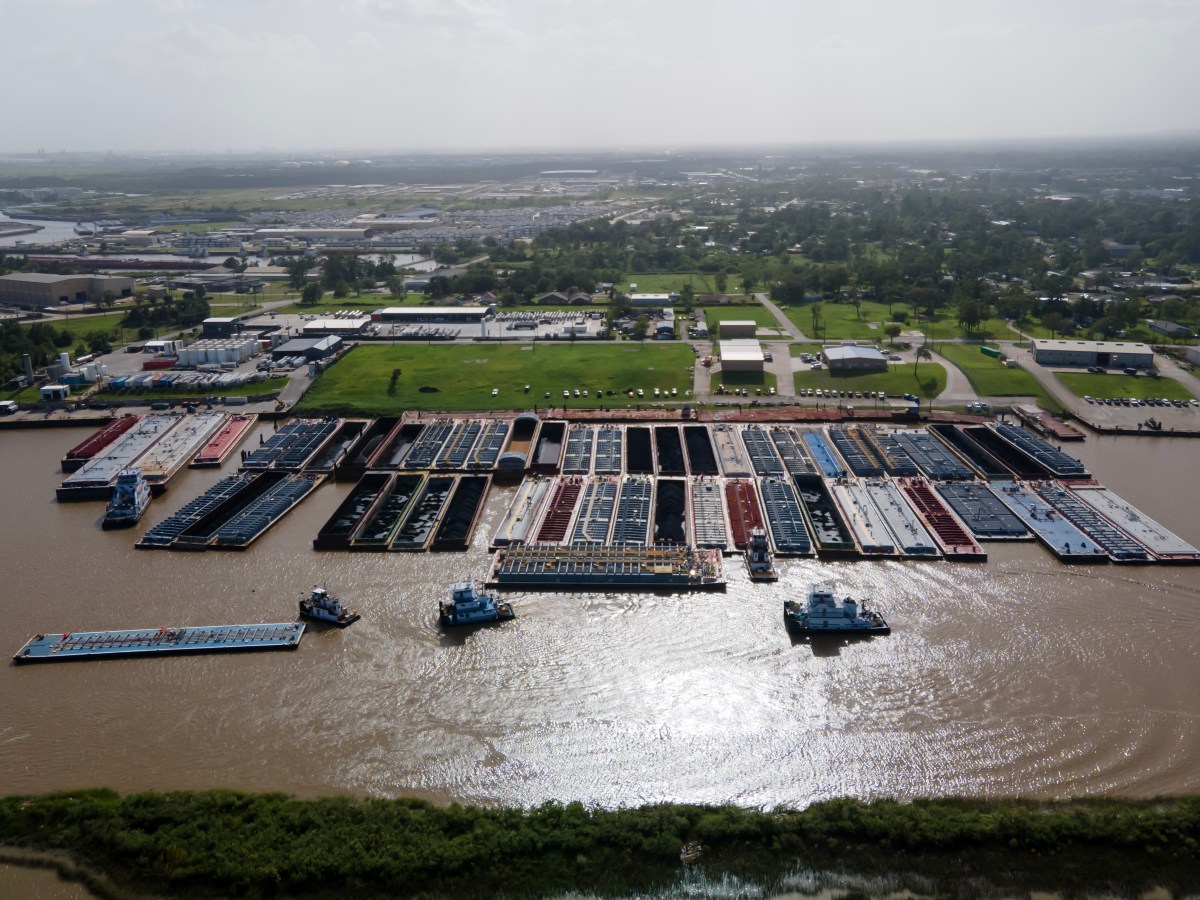
Carolyn’s neighborhood becomes ground zero for Channeview’s rapid industrialization. A fire engulfs a nearby chemical storage facility, and a barge company builds its headquarters across the street from her house. Greg uses drones to keep tabs on the chemical barges that are moving into his neighborhood, close to a Superfund site filled with cancer-causing dioxin.
Episode 3: Battle Cry
March 21, 2025
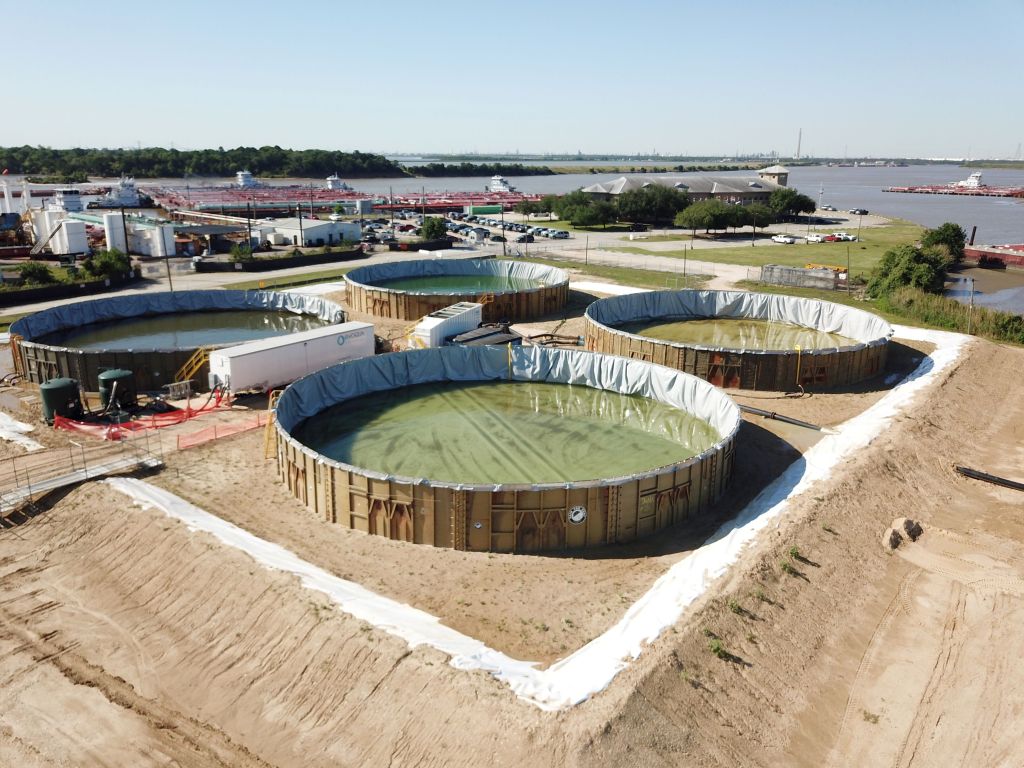
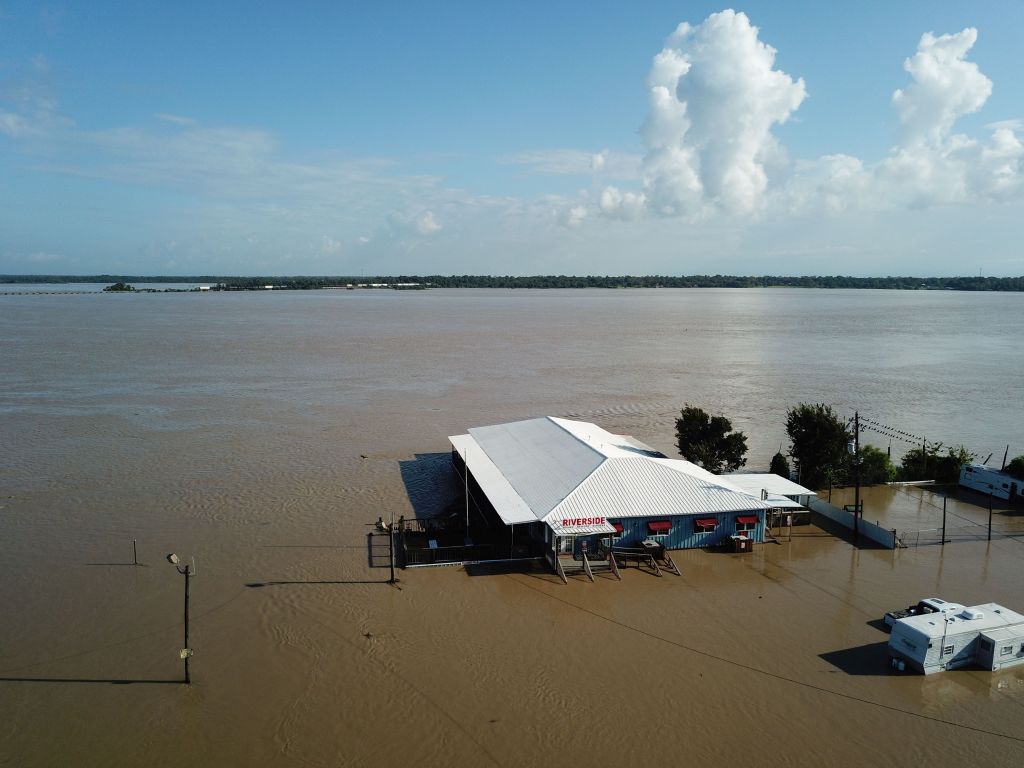
Greg is rescued from his home when Hurricane Harvey hits Channelview. The floodwaters gash a temporary cap that covers the Superfund site, unleashing chemicals into the river. Carolyn and Greg join forces to create the Channelview Health and Improvement Coalition. Greg campaigns publicly — and successfully — against a barge company’s plan to dig up tons of river sludge to make way for more barges.
Episode 4: Locked and Loaded
March 28, 2025
Greg’s house is burned down and his video camera shows the face of the suspected arsonist — a man he doesn’t know. Greg thinks the barge company he’s been monitoring is behind the fire, but he has no proof. Greg carries a gun wherever he goes, and Carolyn and her husband make sure their guns are always nearby. Neither she nor Greg can afford to move away from the dangers that surround them — so for now, they’ll keep fighting to preserve what remains of the community they love.
Episode 5: The Scientist Who Refused to Be Intimidated
November 21, 2025
Outspoken government scientists are increasingly hard to find in Washington. This episode tells how one high-profile epidemiologist withstood political pressure and intimidation throughout his career in his quest to protect public health.
ABOUT
Channelview
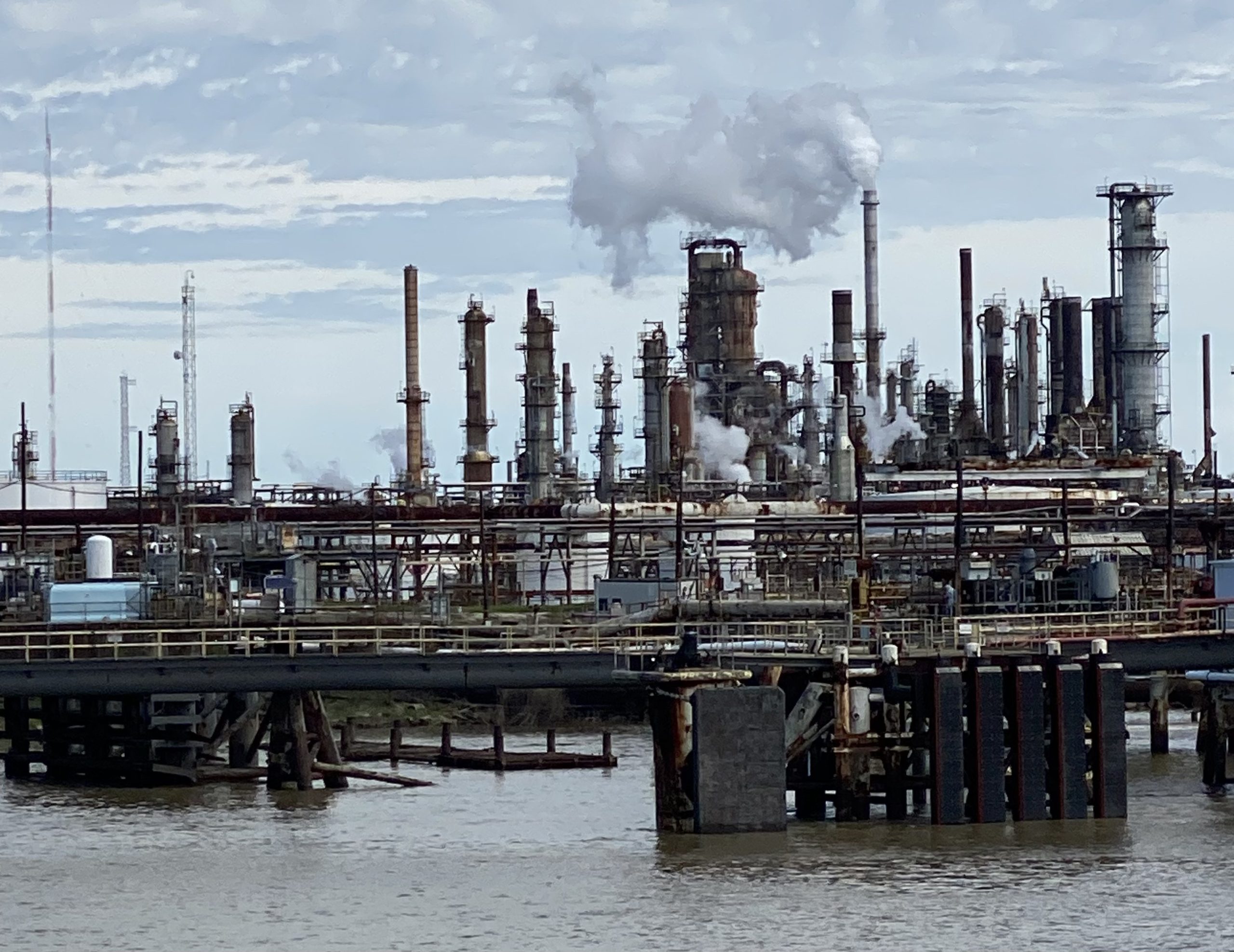
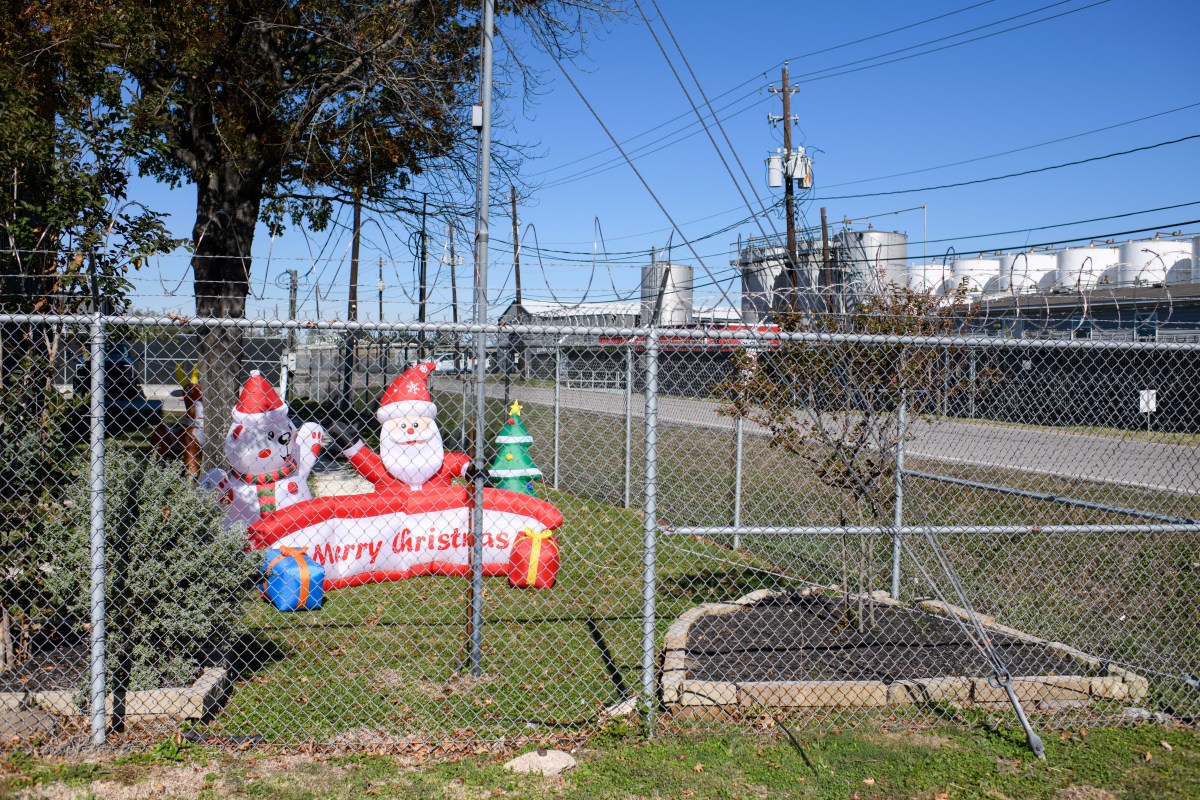
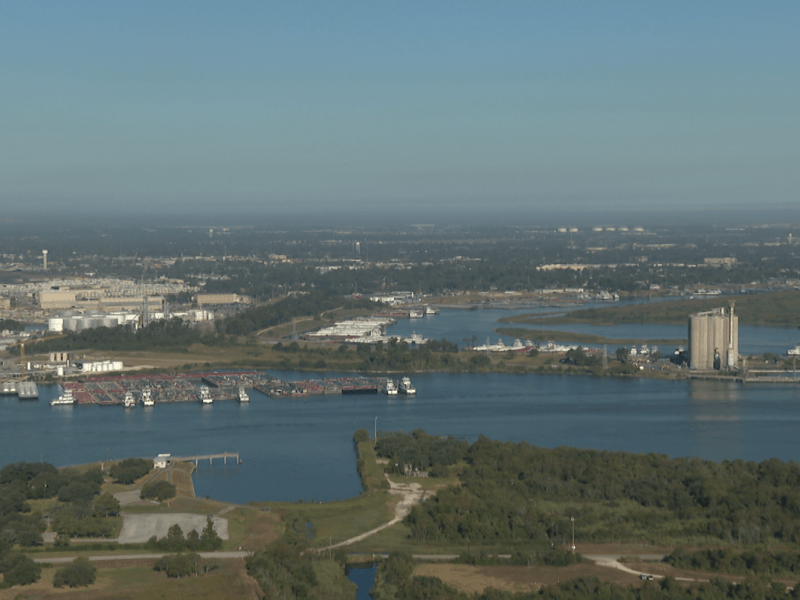
Fumed is set in Channelview, Texas, an unincorporated community of about 46,000 located 15 miles east of downtown Houston. A former rural hideaway, Channelview became a target of industrial expansion in the 1980s and now lies in the heart of the nation’s petrochemical industry.
More than a fifth of residents live in poverty; almost a quarter have no health insurance. Once majority-white, the community is now majority-Hispanic.

An Unlikely Pair of Activists
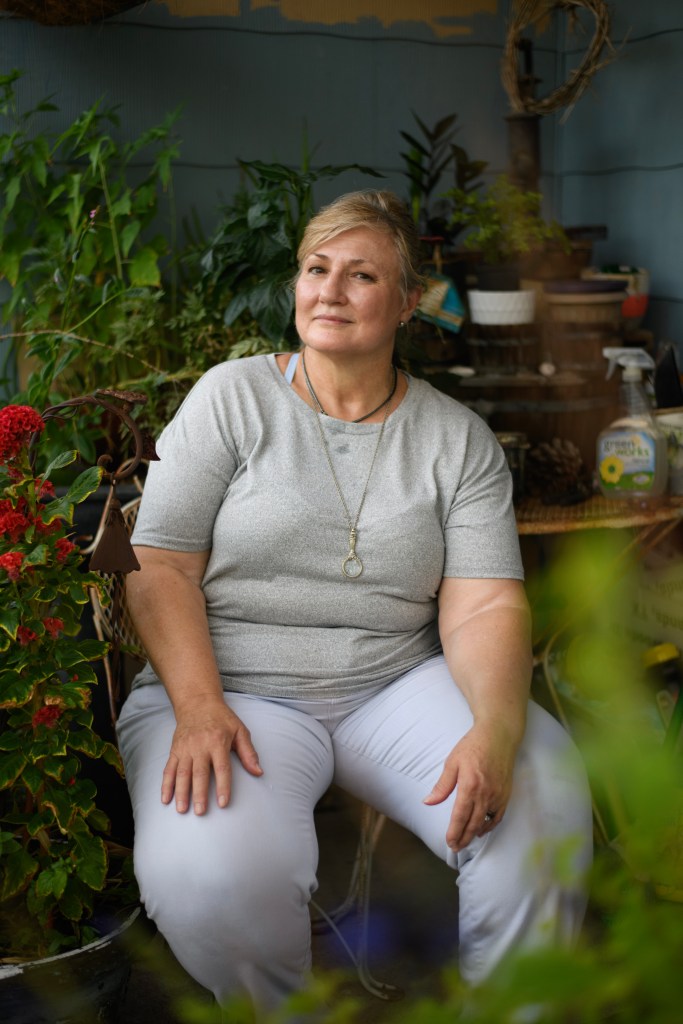
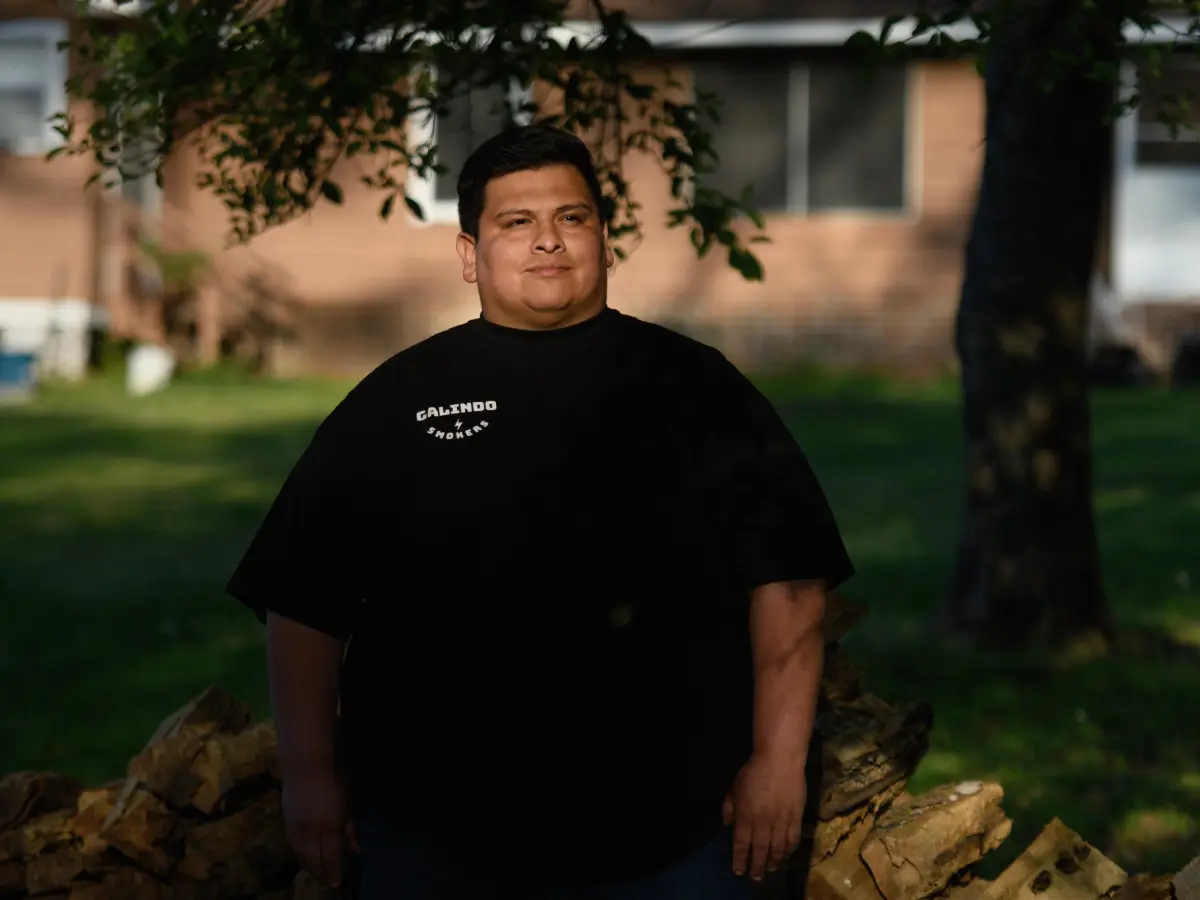
Fumed follows Carolyn Stone and Greg Moss as they risk everything to fight for their community’s future. Stone and Moss aren’t your typical environmental activists. Both have personal ties to the petrochemical industry. Both own guns. Neither trusts the government.

IMAGES
The Barges Move In
Channelview
River Bottom
South Channelview






STORIES
latest story
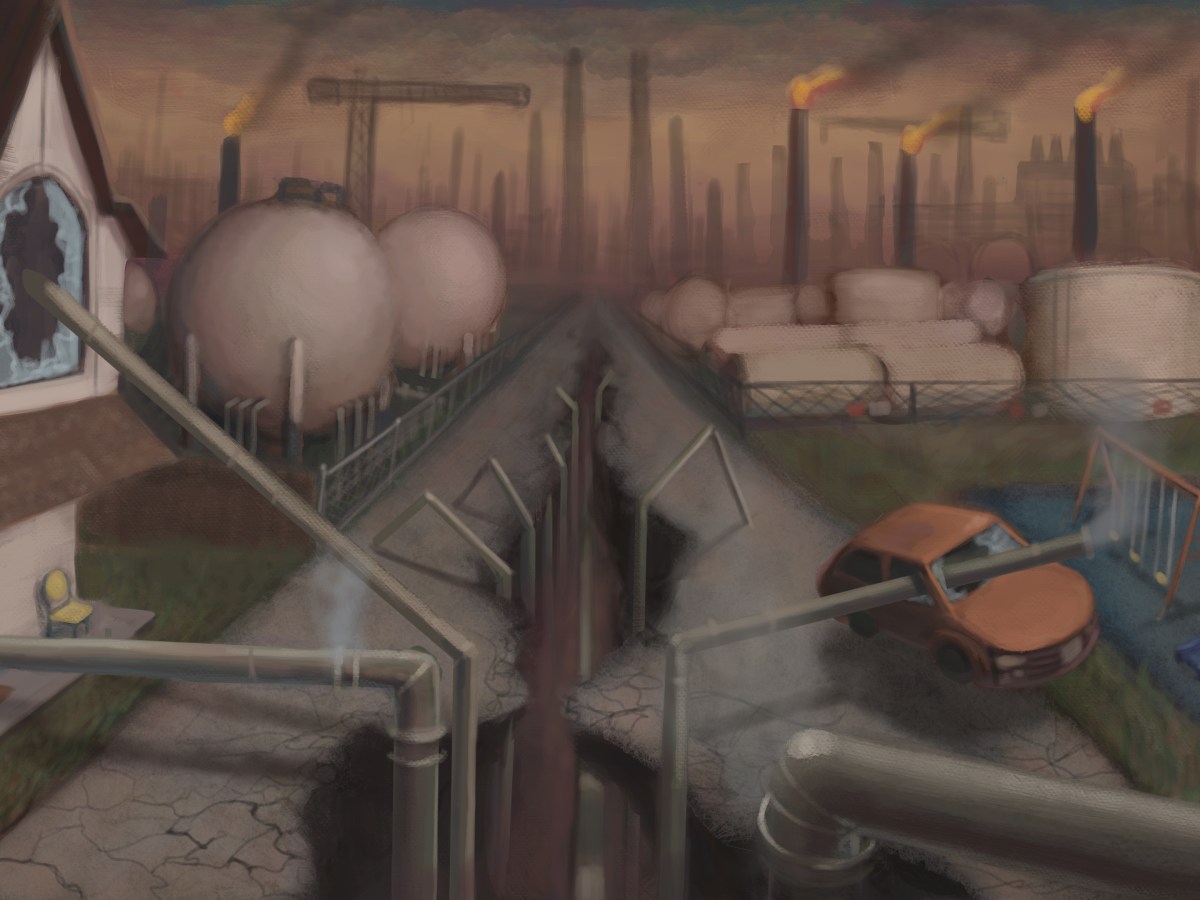
Texas Clears the Way for Petrochemical Expansion as Experts Warn of Health Risks
Public Health Watch chronicles, in 13 scenes, a fossil-fuel infrastructure boom that could worsen air pollution in some areas and exacerbate climate change.
impact
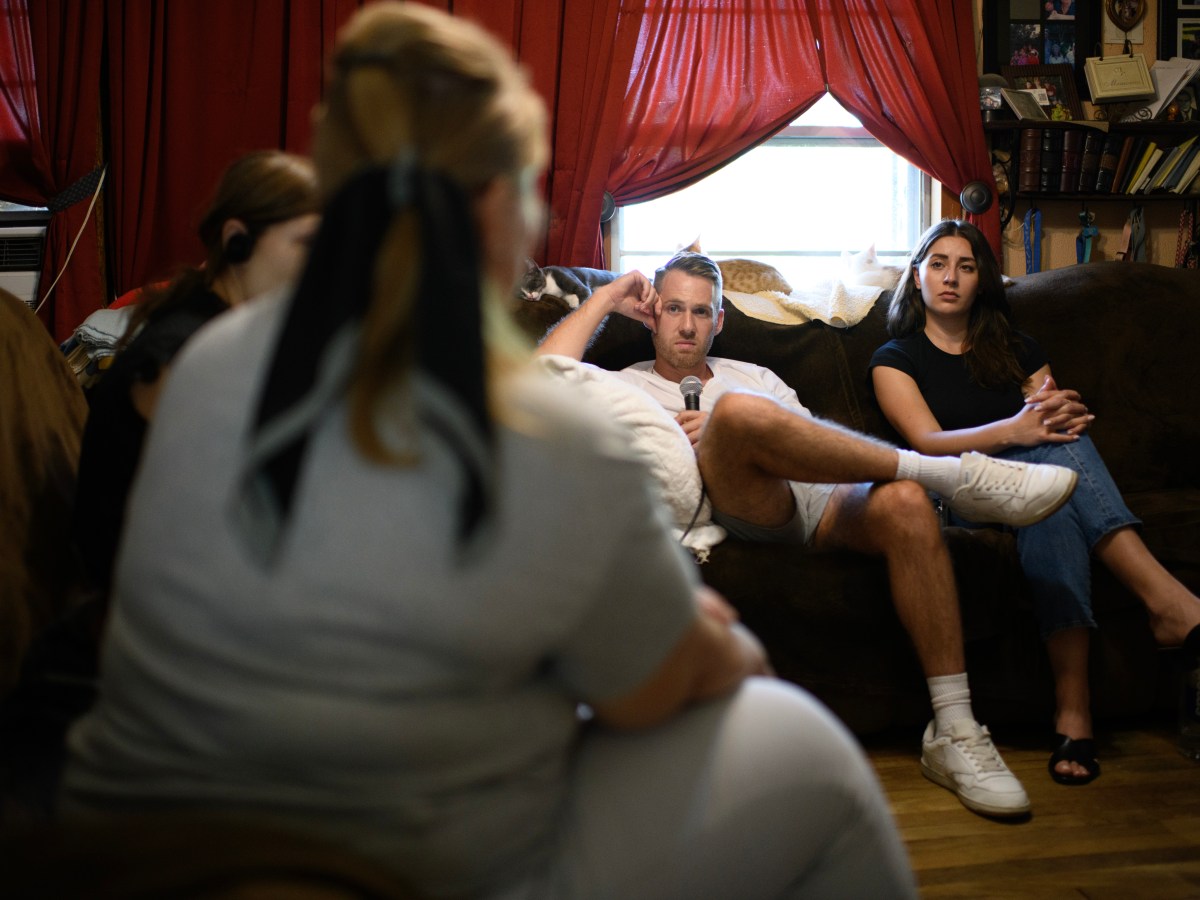
‘Fumed’ Found Problems With Houston’s Industrial Permitting Process. The City Changed Its Policies.
Public Health Watch’s podcast highlighted residents’ lack of protection from industrial facilities moving into their neighborhoods — even when deed restrictions were in place. Three months later, the Houston Planning Department addressed the underlying problem.

The Loosely Regulated Petrochemical Barge Industry Is Commandeering a Texas River
People who live on the San Jacinto fear chemical releases and explosions from the vessels. It’s unclear who’s policing the buildup.

A Community Burdened by Chemical Waste Is Demanding Cancer Data. Texas Health Officials Won’t Give It to Them.
Last year, state epidemiologists studied an industrialized region east of Houston. They reported finding high rates of cancer, but refused to release key geographic details — a decision some experts say is irresponsible.
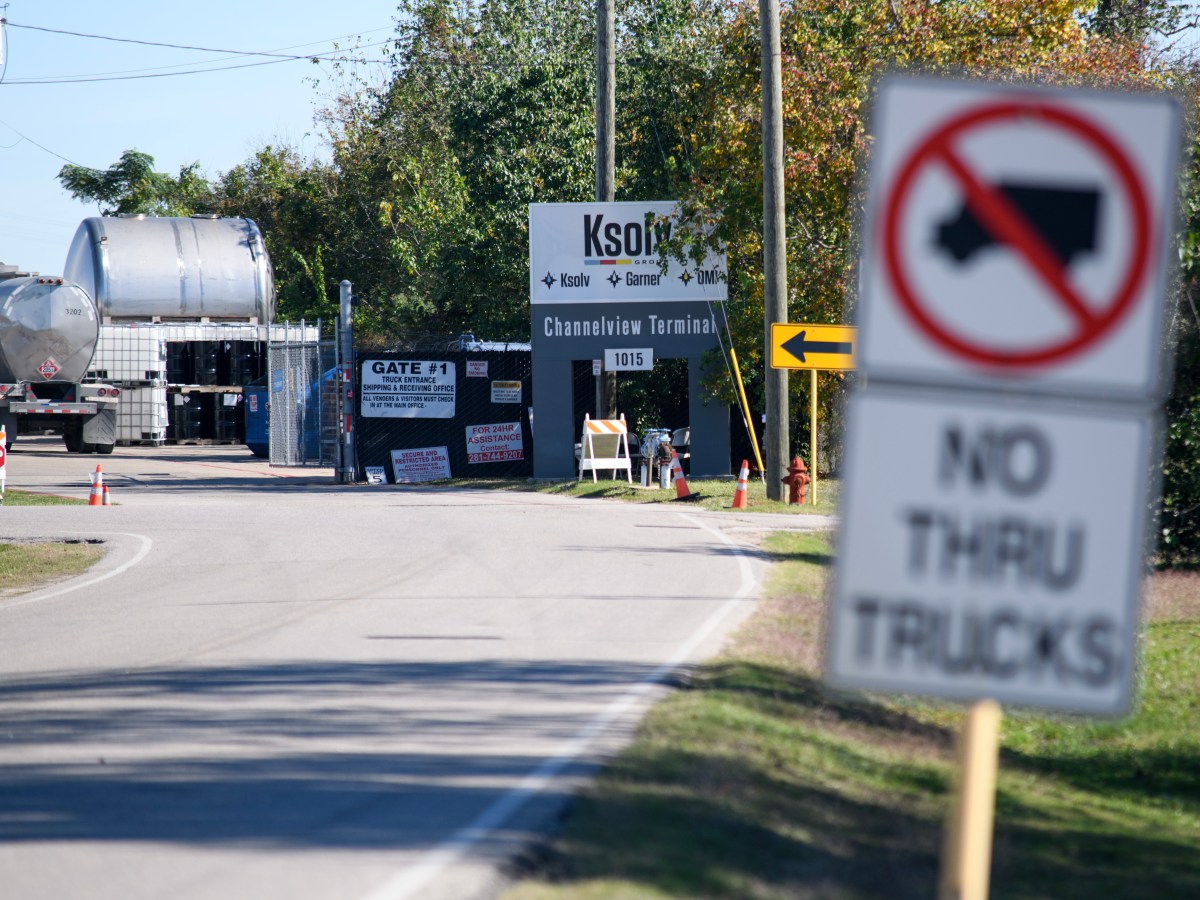
A Texas Community Is Being Bombarded by Cancer-Causing Benzene. State Officials Have Known for Nearly Two Decades.
In 2005, Texas regulators documented startling amounts of benzene in a community outside Houston. Instead of solving the problem, they allowed a known benzene polluter to expand — a decision scientists worry could haunt residents for years to come.
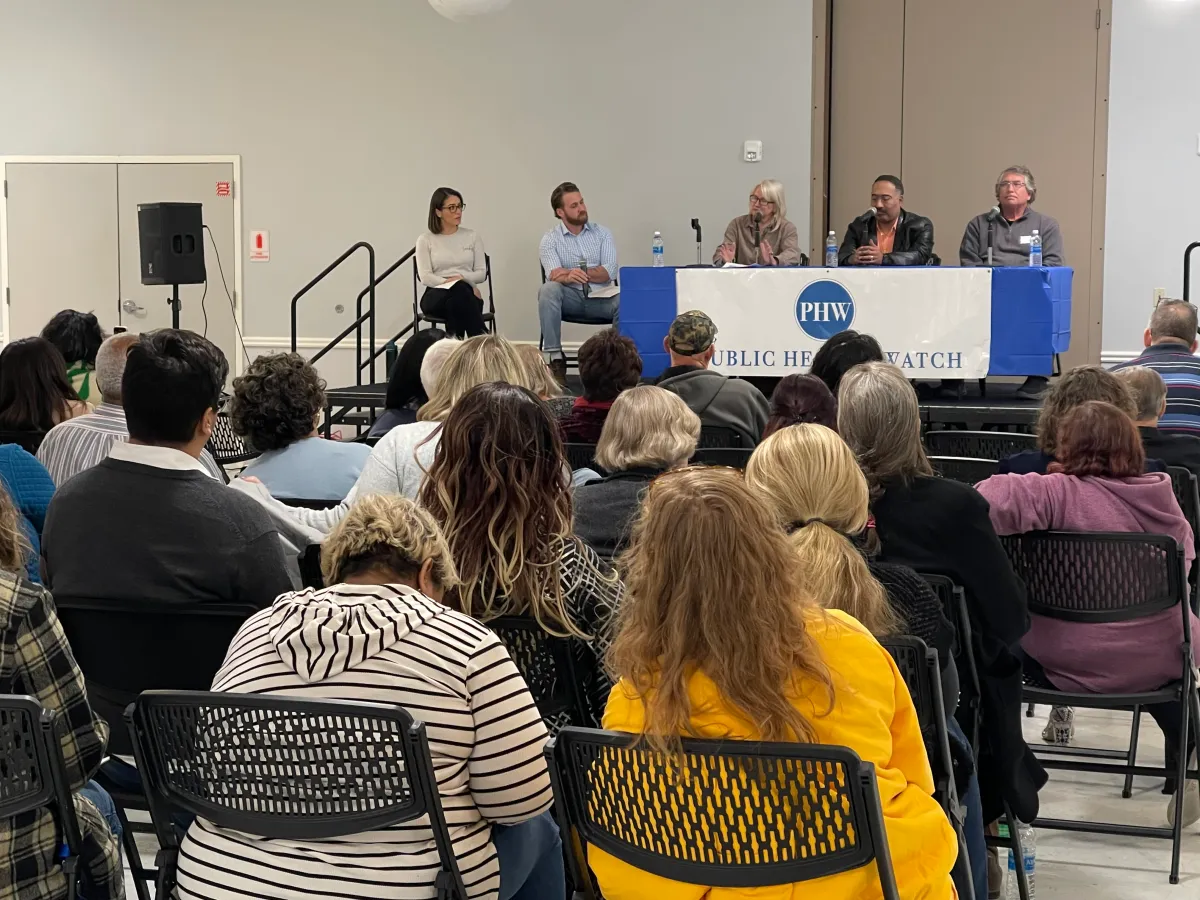
Residents of Channelview Grapple With Results of Alarming Cancer Study
Pollution problems have been documented for years in the unincorporated community outside Houston.
Deadline Approaches for Bill Aiming to Limit Benzene Pollution in Channelview
The Texas Legislature can’t vote on the bill unless it gets a committee hearing within the next two weeks.

Seven Federal Policy Changes That Will Hurt Polluted Communities
Neighborhoods in industry-friendly states are particularly vulnerable.

FUMED TEAM
Click names for more.

David Leffler, Host
David Leffler is a staff writer and investigative journalist at Public Health Watch who covers toxic chemical pollution in Texas.

Susan White, Editor
Susan White has edited Pulitzer Prize-winning projects at InsideClimate News, ProPublica and the San Diego Union-Tribune. She has also edited two podcasts: Room 20 for the LA Times Studios and Border City for the Union-Tribune.

Jordan Gass-Pooré,
Executive Producer
Jordan Gass-Pooré is an award-winning climate journalist and podcaster. She’s the creator and host of the podcasts “Hazard NJ” and “Hazard NYC,” which examine serious pollution issues.

Salina Arredondo, Senior Producer
Salina Arredondo is a Washington-based podcast producer and investigative journalist with in-depth knowledge about petrochemical barge regulation.

Savanna Strott, Assistant Producer
Savanna Strott is a staff writer and investigative journalist at Public Health Watch who specializes in data analysis and government accountability.

Jana Cholakovska, Researcher
Jana Cholakovska is an investigative reporter covering the environment, climate and public health.

Jim Morris, Editor-in-Chief
Jim Morris is the founder of Public Health Watch and has been a journalist since 1978, focusing on public health and the environment.
Mark Bush, Sound Engineer
Mark Bush is a professional audio engineer, sound designer, musician, and composer with a diverse background in audio production and music performance.

Michael Ramos, Original Music
Michael Ramos is a Grammy-winning musician, producer, and composer.
Contact us at fumed@publichealthwatch.org or (281) 783-9360.