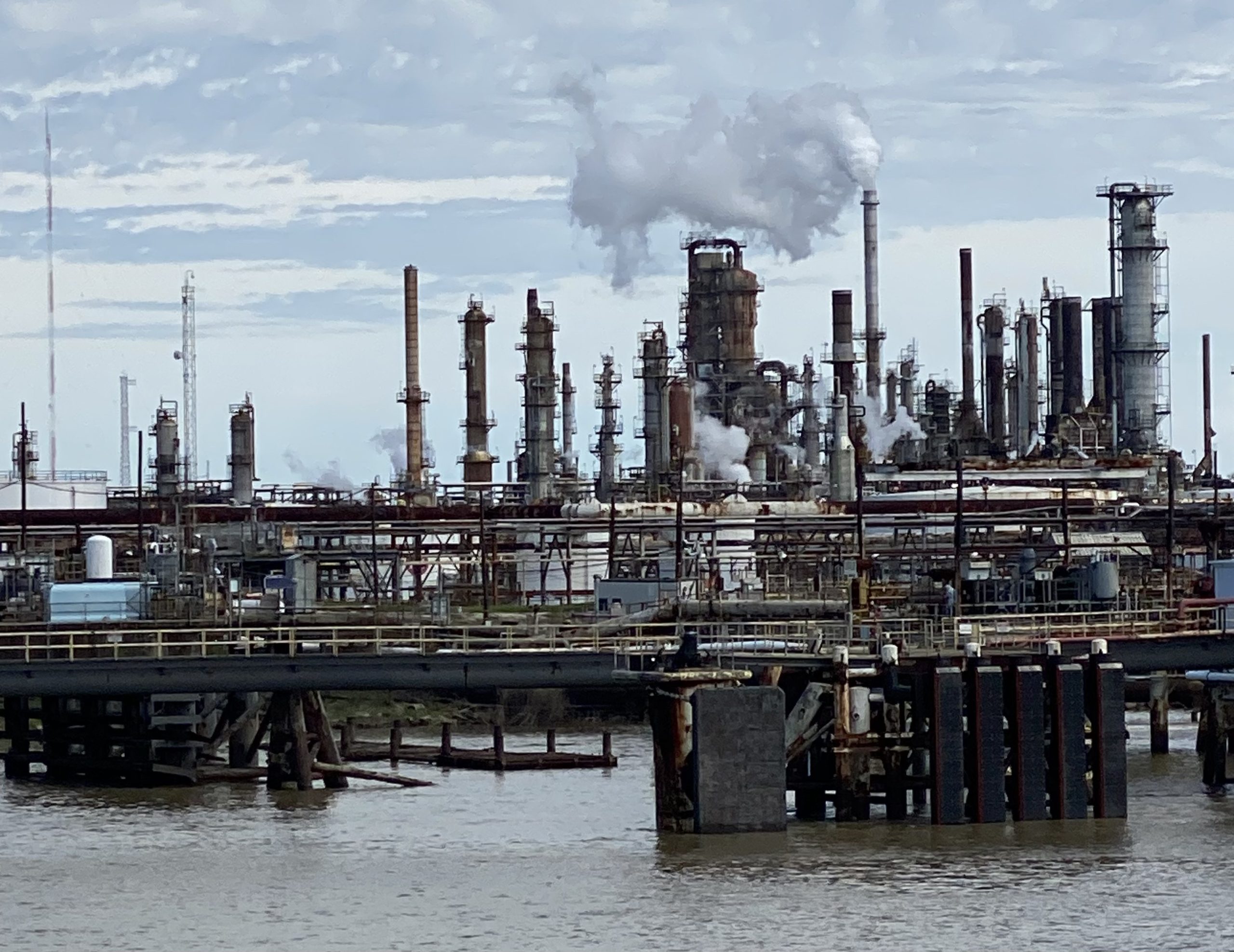

On February 18, 2015, residents of Torrance, California, a suburb of Los Angeles, narrowly escaped catastrophe when an explosion at what was then the Exxon Mobil oil refinery sent a 40-ton hunk of equipment into the air. The debris almost pierced two tanks containing tens of thousands of pounds of hydrofluoric acid, a mixture of hydrogen fluoride and water, which is used to make high-octane gasoline.
Inhalation of the chemical in high concentrations can cause severe burns, fluid accumulation in the lungs and death. Exposure to the skin and eyes can cause permanent tissue damage. The U.S. Chemical Safety Board called the episode a “near miss,” noting that there were 333,000 residents, 71 schools and eight hospitals within a three-mile radius of the refinery.
For the past decade, Torrance residents and elected officials have urged the refinery, now owned by PBF Energy, to stop using hydrofluoric acid and find a safer alternative. U.S. Rep. Maxine Waters, a Democrat who represents Torrance, re-introduced a bill this month that would give refiners five years to phase out use of the chemical.
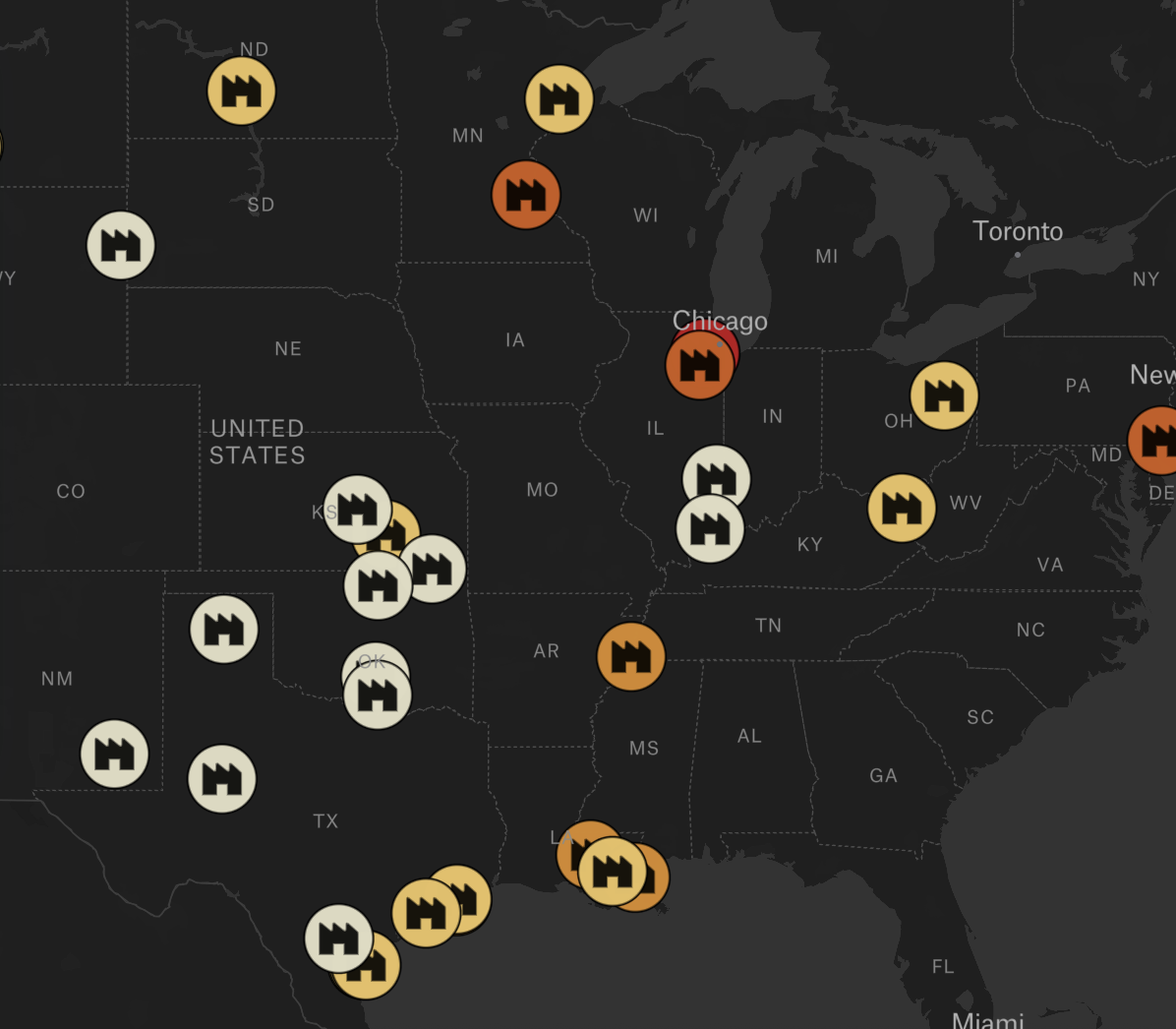
According to Environmental Protection Agency data, 40 U.S. refineries report using hydrogen fluoride. In the past 25 years, these facilities have reported more than 200 accidents to the EPA – most not involving hydrogen fluoride – that have resulted in 373 injuries and over two dozen deaths.
Public Health Watch created an interactive map that allows readers to view each facility’s:
- Hydrogen fluoride worst-case scenario data
- Chemical accidents reported to the EPA
- Clean Air Act violation history
- Community demographic information
The map includes EPA datasets accessed using the Toxic Industries Database, developed by Maine-based Material Research L3C, as well as industry-reported worst-case release scenario data collected by the Natural Resources Defense Council, which petitioned the EPA to ban hydrogen fluoride at refineries in January 2025.
Click on a facility to learn more. Click the arrow in the legend to expand or minimize.