
Four years ago yesterday – August 17, 2021 – Public Health Watch went live. That first year was a heavy lift; COVID-19 was still among us, and a new variant of the disease, Delta, was surging. The economy was stirring, but people were struggling with inflation and pandemic-related supply-chain interruptions. And, of course, trauma.
We at PHW were betting there was room in the increasingly crowded nonprofit news space for an organization that did investigative reporting on threats to public health. Not everyone shared our confidence: In our office is a framed social media post from an apoplectic reader predicting our demise within a month.
And yet here we are.
As we begin our fifth year, I want to channel editor Susan White and emphasize the importance of giving people a bit of hope as the world seems to be collapsing around them. I have two examples to offer:
- Our “Fumed” podcast, which recently eclipsed 200,000 downloads on the NPR app — a number a manager with our distribution partner, Texas Public Radio, called “fantastic” — and has drawn tens of thousands of listeners on other platforms. The podcast is not without tragedy: It is, after all, about the takeover of a Texas river by barges carrying some of the most dangerous chemicals on the planet. But its main characters — two locals who are politically conservative and never could have imagined themselves as environmental activists — are nonetheless inspiring and have already begun to influence public policy. More episodes of “Fumed,” as well as related, written stories, are coming soon.

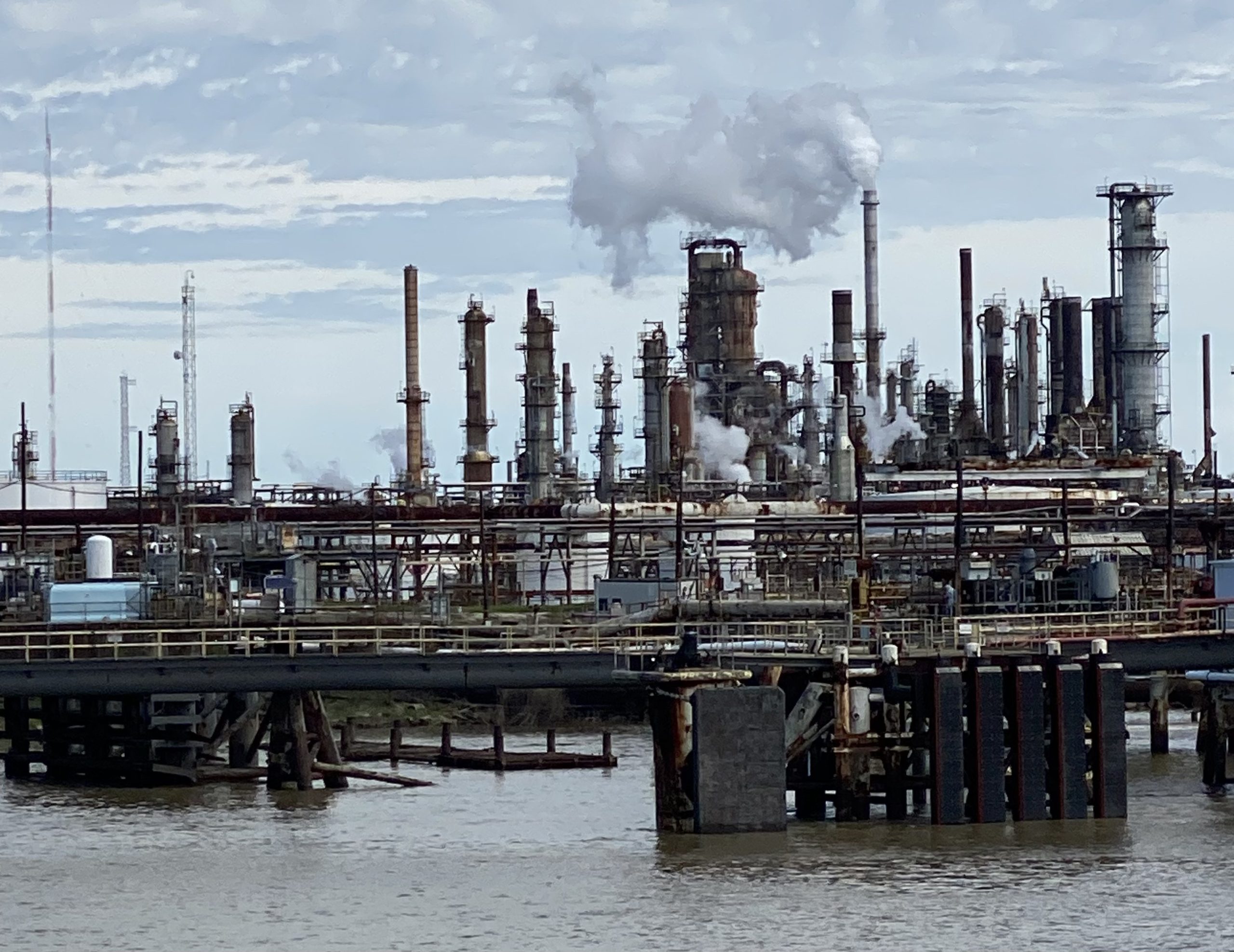
- An op-ed I wrote for the Dallas Morning News, which published it last week. I explained in the piece how one of the world’s biggest oil companies, Exxon Mobil, had been vanquished by two environmental groups and a few fed-up residents of Baytown, Texas. The residents had brought a citizen suit under the federal Clean Air Act, accusing Exxon Mobil of more than 16,000 hazardous air releases at its refining and chemical-manufacturing complex in Baytown over an eight-year period. The law allows the filing of such suits when a government regulator — in this case the Texas Commission on Environmental Quality — won’t crack down on a chronic polluter. The case lasted for 15 years, due in large part to the company’s relentless appeals. It ended for good on June 30, when the U.S. Supreme Court declined to take it up. This, plaintiff Sharon Sprayberry said, proves that “you can slay the giant.”
Indeed.
