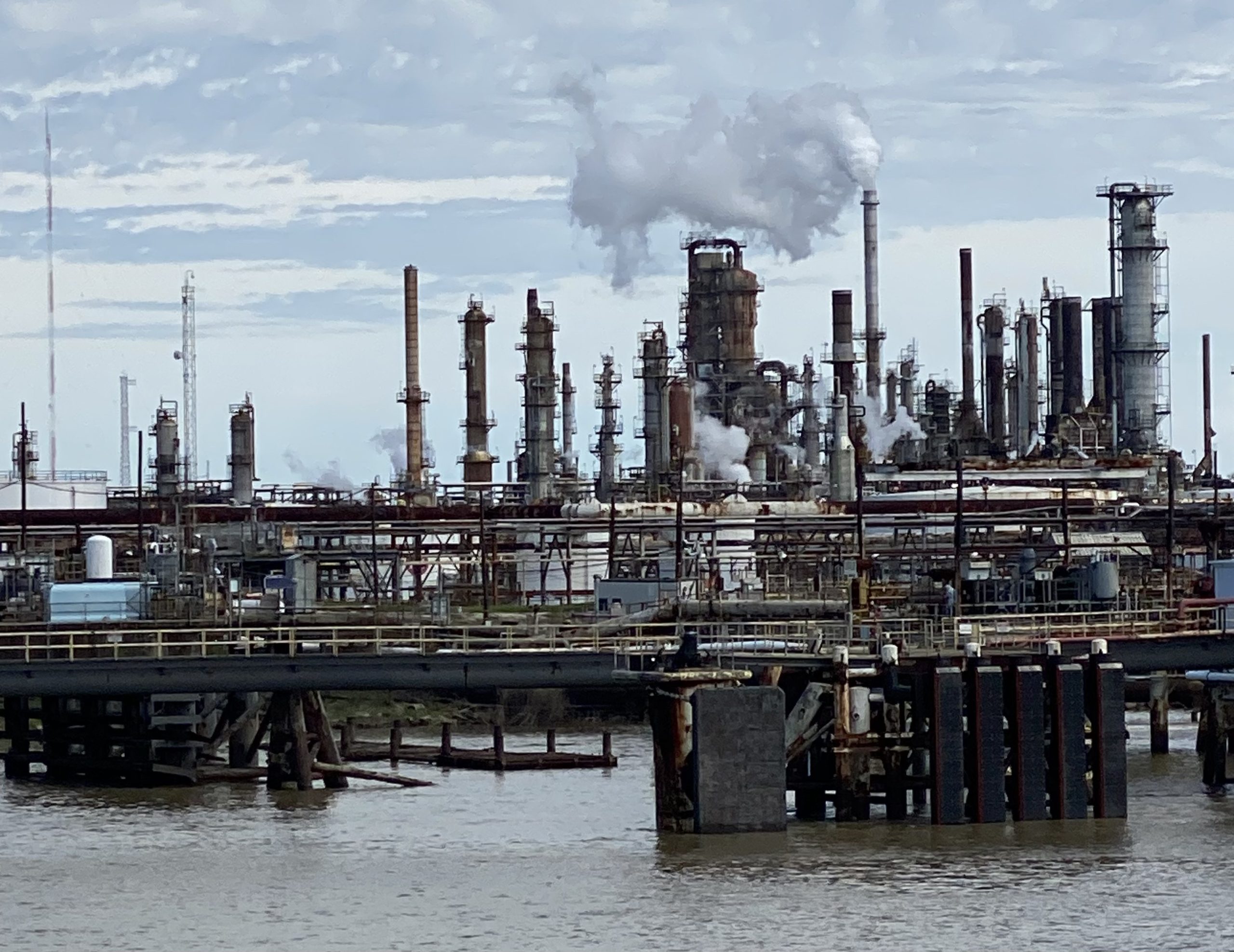


President Trump last week exempted 49 chemical manufacturing plants from complying with updated pollution standards — also known as the HON rule. The rule, issued late in the Biden administration, aimed to reduce the cancer risk for close to 10 million Americans by requiring 218 facilities to conduct regular air monitoring and install stricter pollution controls.
The rule would have reduced emissions of two potent carcinogens — ethylene oxide and chloroprene — by 80 percent. The largest emitters of both chemicals received exemptions.
Most of the HON rule’s requirements would have gone into effect in July of 2026. Now, the exempted companies have an additional two years to comply. The action came after the Environmental Protection Agency announced it would reconsider all emissions standards issued under the Biden administration and invited companies to take advantage of a loophole in the Clean Air Act that allows the president to grant exemptions in matters of national security.
A Public Health Watch analysis of federal data found that any disruption to the HON rule could have severe consequences for people living around the plants. Read the full report from July 2.
Key facts on the 50 exempted plants:
- About 2 million people live within 6.2 miles of these facilities, data from the U.S. Census Bureau show. This puts them within a radius the EPA uses to calculate the number of people impacted by air pollution from those plants.
- Some 200,000 people, including 50,000 children, live within two miles of the facilities.
- According to EPA data, 19 plants are in majority-minority neighborhoods.
- Most of the exempted facilities are in Texas and Louisiana.
- Sixty-five percent of exempted plants have been subject to formal enforcement actions in the past five years for violations of the Clean Air Act.
The White House said in a July 17 proclamation that the HON rule “imposes substantial burdens on chemical manufacturers already operating under stringent regulations.” It said monitoring and testing technologies mandated by the rule are not readily available and “cannot be implemented safely or consistently under real-world conditions.” Requiring these companies to comply with the rule would disrupt supply chains and increase the country’s dependence on foreign production, the proclamation said.
In a statement Monday to Public Health Watch, Sarah Vogel, Senior Vice President for Healthy Communities at the Environmental Defense Fund, wrote:
“For far too long, these chemical companies have benefitted economically by cutting corners and pushing the costs of their pollution onto communities. The idea that American innovation and competitiveness can’t also be about delivering cleaner air and water is just ridiculous … These latest moves by the Trump administration protect the interests of corporate polluters at the expense of American families’ health.”

Trump Pollution Exemptions Would Shield Lawbreakers, Endanger Millions
Analysis shows EPA rollbacks of the HON rule would put overburdened communities at risk and benefit chemical plants that frequently violate their permits.