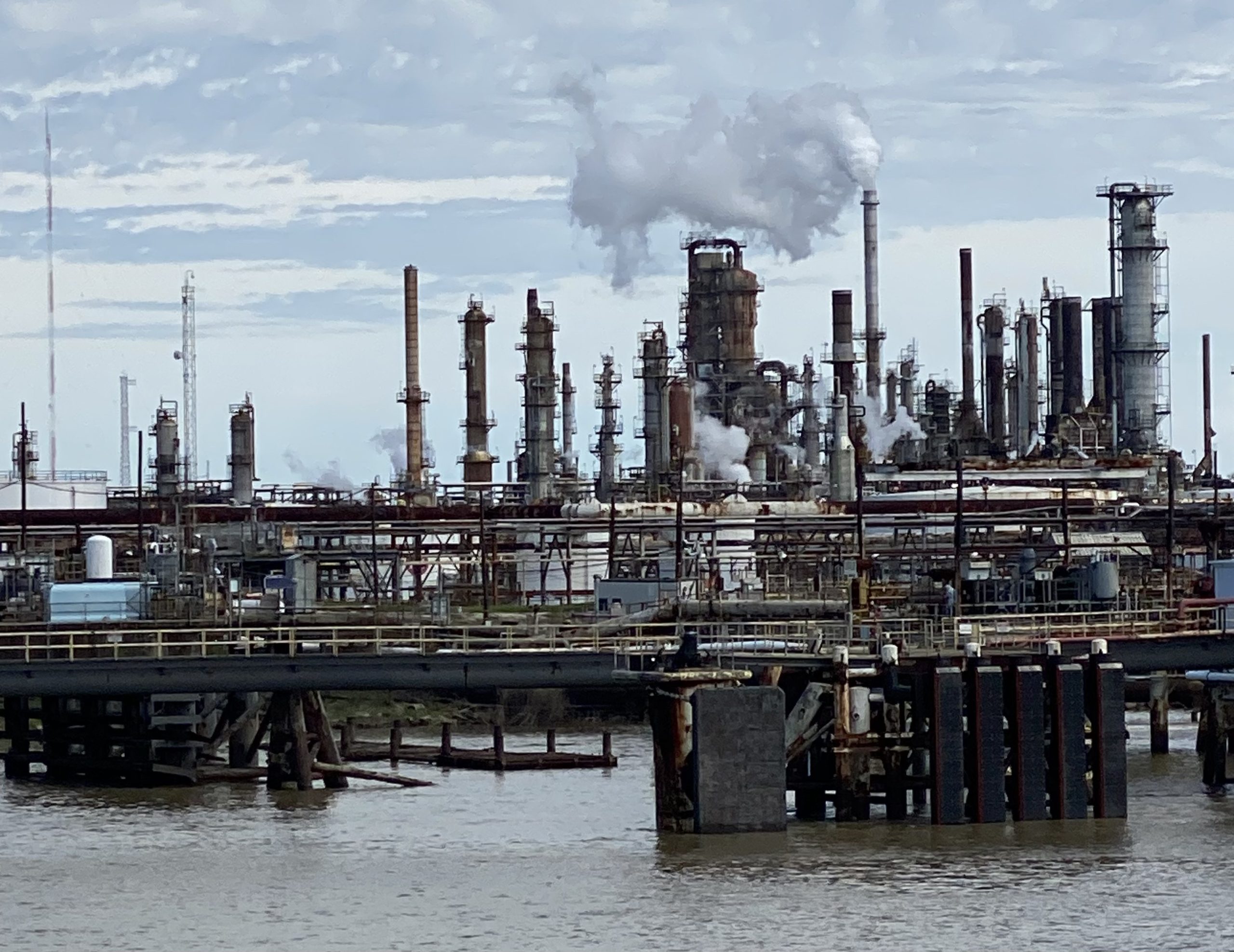
Neighborhood can influence exposure to ‘forever chemicals’
Where people live and what they eat and drink can directly influence the amount of “forever chemicals” present in their bodies, a recent study shows.
Published in Environmental Research, the study found people who had low access to fresh food, consumed contaminated drinking water or lived near industrial pollution sites had higher levels of per- and polyfluoroalkyl substances, also known as PFAS, in their blood.
PFAS, which are used in a range of consumer products, are known as forever chemicals because of their inability to break down in the environment or human bodies. They have been linked to numerous health harms, including cancer, liver damage and reproductive health problems.
Researchers found people in neighborhoods that were more than half a mile from supermarkets were more likely to have higher levels of PFAS chemicals in their blood that are associated with packaged foods, most likely because of their lower access to fresh food.
Residents who were served by public drinking water systems that contained PFAS also had higher levels of the chemicals. And blood levels of PFAS were elevated in people who lived within three miles of an industrial site that processed the chemicals.
Leaded gasoline pollution linked to mental health disorders
More than 150 million cases of mental health disorders in the U.S. over seven decades may be linked to the nation’s past use of leaded gasoline, new research says.
Before it was phased out in 1996, leaded gas was used to fuel vehicles in the U.S. for about 70 years, exposing millions of children to lead-contaminated exhaust. That exposure fueled higher rates of diagnosable mental disorders, such as depression and anxiety, among people born before 1996, according to the new study published Dec. 4 in the Journal of Child Psychology and Psychiatry.
Childhood lead exposure can cause brain and nervous system damage, learning and behavior problems and slowed growth and development, according to the Centers for Disease Control and Prevention.
More than half of people now alive in the U.S. were exposed to harmful levels of lead through gasoline during their childhoods, especially during peak consumption in the 1960s and 1970s, study researchers said.
People from Generation X, who were born from about 1965 to 1980, experienced the highest lead exposure and most likely the greatest associated affects to mental health, according to the study.
Low-quality health insurance a barrier to care
High costs lead many people with low-quality health insurance to skip needed care, a recent Commonwealth Fund report finds.
About 23% of people in the U.S. with health insurance are underinsured, meaning they have high deductibles and out-of-pocket costs that are a barrier to care, according to the report, which was based on a 2024 survey.
About 57% of underinsured people said they avoided needed medical care — such as not going to the doctor when sick, skipping a follow-up test or not filling a prescription — because of cost. Underinsured people also say they have difficulty receiving needed mental and dental health care because of cost.
Two-thirds of adults who were underinsured had health coverage through their employer, the most common source of health insurance in the U.S.
Silicosis among countertop workers often missed
Clinicians may miss signs of silicosis among countertop workers, even when they’re showing symptoms, new findings from the University of California Los Angeles show.
In a study of workers with the job-related disease, clinicians recognized silicosis in only 19% of cases the first time they saw symptomatic patients, while radiologists recognized the disease in 33% of cases. Health providers often initially suggested infections or other diagnoses as the cause of symptoms. That disconnect can lead to a delay in diagnoses, researchers said.
U.S. countertop workers, who can be exposed to silica dust while cutting material often used in home kitchens, increasingly are being diagnosed with the serious and sometimes fatal disease. Public Health Watch has been regularly reporting on the epidemic — which most commonly involves young to middle-age Hispanic men, many of whom are immigrants — since 2022.
Researchers with UCLA’s California Artificial Stone and Silicosis Project presented the new findings at the Radiological Society of North America’s conference on Dec. 2.
Other recent public health news of note includes:
• The number of people who die from climate change-related risks such as extreme temperatures and air pollution could quadruple to 30 million annually by 2100, according to a recent study in Nature Communications.
• The health and financial costs of chikungunya, a mosquito-borne disease that is becoming more common as the world warms with climate change, may be significantly underestimated, says new science in BMJ Global Health.
• Almost a third of retail pharmacies in the U.S. have closed since 2010, endangering access for patients, finds a Dec. 3 study in Health Affairs. Closure risks were higher in predominantly Black and Hispanic neighborhoods.
Companies that manage prescription drug benefits for health plans often steer patients to preferred pharmacy networks, which independent pharmacies are locked out of, researchers said.
• Researchers have long known that cows release methane when they burp, contributing to greenhouse gas emissions and climate change. A new study in the Proceedings of the National Academy of Sciences finds that when grazing beef cattle are fed seaweed pellets, their methane emissions fall by about 38%.
Livestock account for more than 14% of global greenhouse gas emissions.
• A new study in Occupational & Environmental Medicine finds recycling workers who handle domestic waste are exposed to a range of microflora that can potentially cause bodily inflammation.
• Air pollution exposure is associated with longer-lasting symptoms among people with long-COVID, a recent study in Environmental Health Perspectives finds.
The Watch is written by Michele Late, who has more than two decades of experience as a public health journalist.