Elevated levels of lead, cadmium found in cocoa products
Some of the chocolate products found on U.S. grocery shelves contain elevated levels of heavy metals, a new study finds.
Researchers from George Washington University analyzed samples of consumer cocoa products — including dark chocolate — over an eight-year period, finding high levels of both lead and cadmium.
Forty-three percent of the products exceeded the maximum allowable dose level for lead, while 35% of the products exceeded dose levels for cadmium. Organic products had higher levels of both lead and cadmium than non-organic ones.
Both of the metals pose significant risks to human health in high amounts, according to the study, which was published July 31 in Frontiers in Nutrition.
Chocolate can be contaminated with lead and cadmium from soil during the growing and processing of cocoa beans. Previous studies have also found high levels of the metals in chocolate bars, including research by Consumer Reports, which has called for their removal from the products.
High levels of metals in the human body are linked to increased risks for cardiovascular disease and death, according to another study published this week. Researchers from Columbia University Mailman School of Public Health examined data on urine samples from participants in an ongoing long-term health study, detecting metals that included cadmium, tungsten, uranium, cobalt, copper and zinc.
That six-metal mixture was associated with a 29% increased risk of cardiovascular disease and a 66% increased risk of death over 18 years, according to the Aug. 1 study in Circulation. Individual presence of the metals also raised health risks.
In 2023, the American Heart Association recognized that chronic exposure to arsenic, cadmium and lead raises risks for cardiovascular diseases such as coronary artery disease, stroke and peripheral artery disease.
Americans commonly experiencing extreme weather
Most Americans say they’ve recently been subjected to extreme weather, though those experiences vary by where people live, a new survey by Pew Research Center finds.
Released July 23, the survey found that 72% of U.S. residents had experienced at least one of five types of extreme weather in the past year: severe weather, such as floods or intense storms; prolonged stretches of unusually high temperatures; droughts or water shortages; rising sea levels; or major wildfires.
Half of Westerners and 54% of Southerners said they experienced periods of unusually hot weather in the past year, compared with about a third of people in the Northeast or Midwest. Major wildfires were reported by 38% of people in the Western U.S., but only by 8% in the Northeast and Midwest. People in the Northeast were most likely to have experienced rising sea levels, while people in the West were most likely to experience droughts.
Most of the people who had experienced extreme weather recognized that human-caused climate change is a contributing cause, according to the May survey. Seventy percent of respondents said extreme weather has had a negative effect on their lives, such as property damage, breathing problems, loss of work and loss of power.
The U.S. experienced a record-breaking number of weather disasters in 2023 — including wildfires, floods, drought, tornadoes and cyclones —costing the nation almost $93 billion, according to the National Oceanic and Atmospheric Administration.
Home health care visits missed for Medicare users
Fewer Medicare beneficiaries are receiving recommended home health care after they’ve been discharged from the hospital, a new analysis from the Commonwealth Fund finds.
More than 2.71 million Medicare patients who had been hospitalized received a referral for home health care after leaving the hospital in 2022. But only 59% of those people actually received the service, said the July 24 analysis. The rate was an almost 11% decrease from 2016, when 66% of hospitalized Medicare users received the recommended service.
Black Medicare beneficiaries who had been hospitalized were more likely to miss home health care visits than Hispanic or white patients. But white patients experienced the biggest overall decrease in home health care visit rates. People in rural areas were more likely to miss home visits than people in urban areas.
Reasons for the decrease in visits may include low staffing, disruption in services because of the COVID-19 pandemic or patient preferences, authors suggested.
During home health care visits, workers assess patient healing, safety and support needs and often offer physical therapy. Skipping recommended home health care visits can lead to “serious consequences,” such as rehospitalization or death among patients, the analysis said.
Ocean oil, gas extraction raises pollution levels
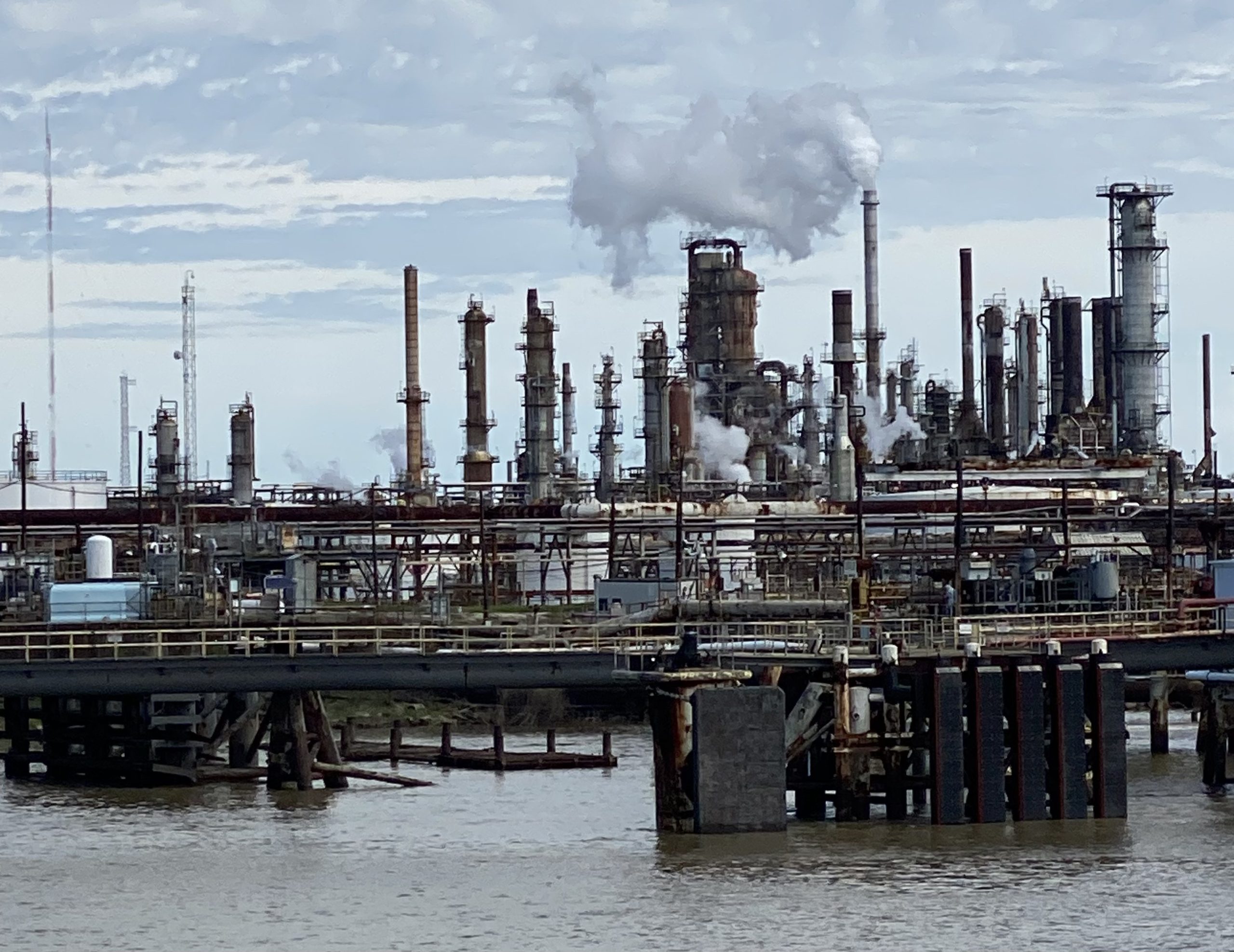
Off-shore oil and gas extraction sites can cause pollution in surrounding areas to soar, according to a new study in Science of The Total Environment.
Published July 30, the research found that pollutants such as hydrocarbons were as much as 10,600% higher within 500 meters of oil and gas extraction platforms than non-extraction sites. Heavy metals such as lead, copper and nickel were 455% higher within the same distance.
The pollutants were associated with a decrease in the diversity of surrounding sea life, with the number of species plummeting nearly 30% near platforms, the study said. The overall amount of sea life fell as well.
The study examined data for more 4,200 species collected over 30 years at nine oil and gas platforms off the coast of Scotland and England. Researchers found the discharges interrupted nearby underwater food chains, with some animals such as starfish disappearing entirely near the platforms. Worms, on the other hand, thrived in the contaminated soil, which exceeded recommended levels of sediment toxicity for sea life.
Interruption of food webs can affect both sea life and human food sources such as fish and other seafood.
Other recent public health news of note includes:
• Suicide rates among Asian American and Pacific Islander youth have increased sharply, according to a new study in JAMA Network Open. From 1999 to 2021, suicide rates for females in the population increased 125%, and 72% percent for males. Suicide is the leading cause of death for Asian American and Pacific Islander youth.
• Almost all of California’s large animal feeding operations are located near water sources that are used to irrigate crops, threatening the nation’s food supply with contamination, says an analysis by the Environmental Working Group.
• Exposure to bisphenol-A — an endocrine-disrupting chemical found in consumer plastics — can harm liver function, reports a new study in the Journal of Exposure Science and Environmental Epidemiology.
• A study in Environmental Health Perspectives finds airborne exposure to certain chemicals is linked to increased body fat in adults.
• Body-worn monitoring devices can help track firefighter exposures to hazardous chemicals, new research in the Journal of Exposure Science and Environmental Epidemiology finds. The study detected 92 chemicals, including eight chemicals not previously reported in firefighter studies.
The Watch is written by Michele Late, who has more than two decades of experience as a public health journalist.